
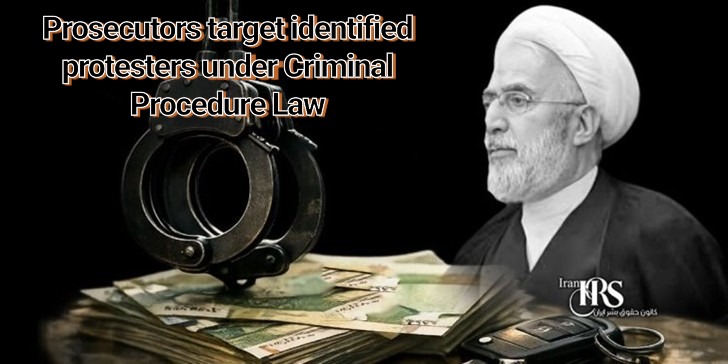
Iran’s Attorney General issues orders to seize protesters’ assets during ongoing repression. Reports highlight killings, arrests, and human rights violations in 2026 protests.
Iran Human Rights Society, Wednesday, January 14, 2026 – Mohavedi, the Attorney General of the country, has announced the issuance of an order to identify and seize the assets of protesters. This order is issued in a situation where the repression of protests, the killing of protesters, and worrying reports from prisons continue.
Judicial Order for Seizing Protesters’ Assets
Based on the statements of the Attorney General of the country, prosecutors have been tasked to seize the assets of identified individuals within the framework of the Criminal Procedure Law. This order includes issuing security warrants and following up on requests from affected individuals.
In these statements, protesters are referred to with terms such as “rioter” and “terrorist.” The use of this language has also been employed in past years to justify security crackdowns on public protests.
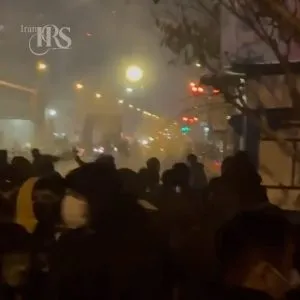
Timing of the New Order with Bloody Repression of Protests
This order is issued in a situation where protests in various cities have faced severe repression. Numerous reports indicate the killing of protesters in the streets and widespread arrests.
Observers say that security crackdowns are designed in a way to reduce the possibility of continuing protests. Street repression is still evaluated as one of the main axes of this policy.
Reports of Killings and Executions in Prisons
Prisons report secret executions. Sources reveal concealed fates of detainees. Families get no information. Communication restrictions tighten. Prisoners isolate from outside world. Torture methods include beatings and shocks. Executions double in 2025 to over 1,900. This instills widespread fear. Regime uses death penalties for protesters. Mass arrests exceed 1,200 initially. Estimates now reach 10,000 or more. Detainees face harsh charges.Human rights groups document violations. They confirm crimes against humanity.
Disruption of Communications and Internet Restrictions
Based on reports, simultaneous with the intensification of repression, the disruption or restriction of the internet has continued. This action has prevented the dissemination of images and information related to the protests.
Observers believe that disrupting communications is part of the information control policy. This process has severely reduced the possibility of independent verification of events.
Confiscation of Assets as a Tool for Economic Pressure
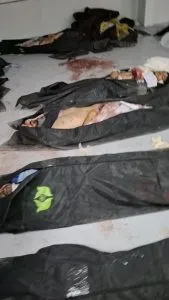
The order to seize assets in such an atmosphere is evaluated as a new stage of repression. This action directly imposes economic pressure on protesters and their families.
Asset confiscation, in addition to financial consequences, has a deterrent role. This policy expands the scope of repression from streets and prisons to the economic lives of citizens.
Unified Pattern of Systematic Repression
Some reports emphasize that the killing of protesters, killings in prisons, and asset confiscation are components of a unified pattern. This pattern is based on intimidation, elimination, and deprivation.
Analysts say that the continuation of these actions indicates a coordinated repression policy at various levels. This policy limits the possibility of any peaceful protest.
Description of Actions as Crimes Against Humanity
Some human rights observers describe this set of actions as crimes against humanity. This description is raised due to the breadth, organization, and targeting of the protesting population.
In this framework, asset seizure is also evaluated as part of this process. This action violates the fundamental rights of citizens in various dimensions.
Request for Intervention by the United Nations and Human Rights Institutions
Simultaneously with the intensification of repression, requests for intervention by international institutions have increased. Observers emphasize that the continuation of this process could lead to broader disasters.
Based on these requests, the United Nations and other human rights institutions must take serious action. The goal is stated as preventing further repression and protecting citizens’ lives.
Widespread Violation of Human Rights and International Responsibility
Existing reports show that the bloody repression of protests, killings in prisons, and asset confiscation have led to systematic violations of citizens’ fundamental rights and have highlighted the responsibility of international institutions for immediate action.
- Article 3 of the Universal Declaration of Human Rights: The killing of protesters and reports of executions have directly and extensively violated the fundamental right to life.
- Article 9 of the Universal Declaration of Human Rights: Widespread arrests and security crackdowns have deprived individuals of the right to liberty and security of person without legal guarantees.
- Article 17 of the Universal Declaration of Human Rights: Seizure and confiscation of assets violate the right to property without effective due process.
- Article 19 of the Universal Declaration of Human Rights: Internet disruptions and communication restrictions have severely limited the right to access information.
See also the below articles:
- Urgent Protection Needed: Tens of Thousands of Iranian Protest Detainees Face Life-Threatening Crisis
- Detainees of the Nationwide Protests of 2026, Names and Details of More than 2,000 People – List No. 3
Follow Iran Human Rights Society on social networks:
Telegram /Twitter /Instagram / YouTube / Facebook
Join Iran Human Rights Society on Twitter




Discussion about this post