
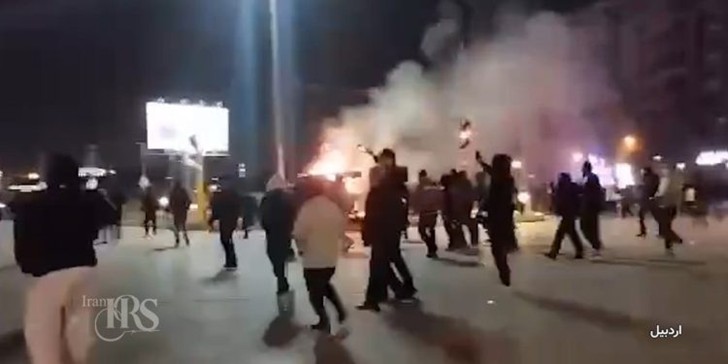
Nationwide protests December 2025–January 2026 faced severe repression in Iran. Reports detail mass killings, heavy weapons use, and crimes against humanity across cities. Activists demand UN Security Council referral.
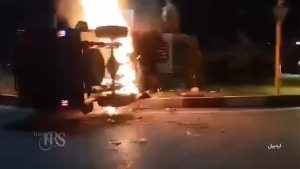
Iran Human Rights Society, Monday, 26 January 2026 – Following the spread of nationwide protests in various cities, field accounts have revealed new dimensions of repression, massacre, and crimes against humanity. Reports sent from different parts of the country show the use of heavy weapons against
protesters, direct shooting, pressure on families, burning of bodies, imposition of false narratives, and even financial extortion for handing over bodies. This report is a compilation of observations, local accounts, and citizens’ documents that present a clear picture of organized repression and highlight the urgent need for investigation by international bodies, including the UN Security Council.
Chaharmahal and Bakhtiari – Anger against repression and protest against the ruling structure
In Chaharmahal and Bakhtiari, people continue to face anger over the bloody repression after the nationwide protests. Reports indicate that during the funeral ceremonies of martyrs killed in these protests, crowds gathered chanting slogans against the ruling structure, including louder cries than before. Witnesses say that despite security threats, people are holding their ceremonies and expressing their anger and disgust at the handling of the protests through their chants. This collective anger is part of citizens’ widespread response to the massacre of people in the nationwide protests.
Kashan – Martial law and government silence in the streets
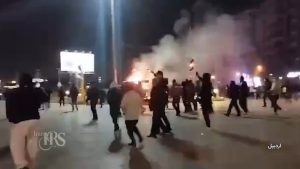
In Kashan, field reports indicate that martial law has been imposed at major intersections and streets of the city. Local residents say that the heavy presence of armed forces and strict control of the space has led to the suspension of much public activity. They have stated that “many were killed in our city too, but we do not know the official names.” This situation reflects the cutoff of information and lack of transparency about the real number of victims in the nationwide protests.
Asadabad, Hamadan – Report of 200 killed during repression
Reports received from Asadabad in Hamadan indicate that about 200 people were killed in this city during the nationwide protests. Families and local sources report an increase in casualties and say that the number of victims is far higher than the officially announced figures. Local residents, fearing security prosecution, cannot publish more details, but they emphasize that the scale of casualties demonstrates the intensity of repression against protesters. These reports were sent despite communication restrictions and include serious dimensions of crimes against humanity.
Qasr-e Shirin – Livelihood crisis under security atmosphere
News from Qasr-e Shirin shows that the economic crisis in this city has intensified alongside the security atmosphere. Prices have risen significantly, with a sack of rice sold for five million tomans and a bottle of oil for about one and a half million tomans, while the city is in a semi-shutdown state. Residents say that the security atmosphere has cast a shadow over all aspects of daily life, and due to restrictions, access to basic services and goods has become difficult. These consequences have become part of the aftermath of the nationwide protests and their repression.
Ahvaz – Martyrdom of Naji Savari during repression
In Ahvaz, it has been reported that Naji Savari, son of Qasem, was shot in the neck and killed on 9 January 2026 in the Golestan–Goldasht neighborhood during a security forces’ raid on protesters. Naji, 45 years old, was the owner of a fruit stall and was known among people as a harmless individual. His family and neighbors say that his loss is not only a family tragedy but is seen as a symbol of the massacre of people in the nationwide protests.
Esfarayen – Bloody clashes and seizure of security centers
In Esfarayen, North Khorasan, people took to the streets from 6 p.m. on 8 January 2026 and controlled the main streets until 8 p.m. Reports indicate that after intense clashes between protesters and repressive forces, people managed to set fire to some government centers, including police booths. The clashes escalated to the point that protesters advanced to the police station but faced shooting from above. Subsequently, two vehicles of IRGC forces fired heavy machine guns (DShK) at the crowd, and then security forces attacked the gatherers with light weapons. Local sources have announced that at least 250 people were killed in these clashes. Citizens say that “the streets were full of blood, and many of the dead were lying in various corners of the city.” They believe that if the internet is restored, the full dimensions of this crime against humanity will be revealed.
Borujen – Martyrs and wounded in the shadow of fear of identification
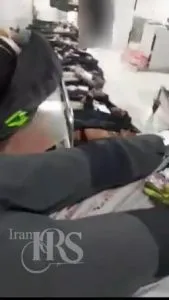
In Borujen, four martyrs and 36 wounded have been reported. Many of the wounded, fearing identification by security forces, did not go to hospitals and self-treated. One of the named martyrs in this city is “Iraj Kiani,” whom family and local trusted figures mourn. Residents say that the general atmosphere of the city after these events is tense and accompanied by concern over widespread arrests.
Borujerd – Shooting from rooftops and burning of bodies
In Borujerd, one of the relatives of local residents reported that security forces shot at people from the rooftop of Imam Ali Mosque and killed one of the protesters. According to witnesses, medical staff were not allowed to treat the wounded, and some of the dead were burned with fire and acid. Families have received no trace of their loved ones. In another case, a family stated that they were forced to pay a huge amount of one billion tomans to receive their martyr’s body and hold the burial ceremony without crowds and before sunrise.
Shahin Shahr and Mobarakeh – High casualty figures and shooting from buildings
In Shahin Shahr, reports indicate 186 killed and over 400 wounded during the nationwide protests. In Mobarakeh, it has also been reported that Kalashnikov fire was directed at people from the top of the governorate building. Many shops are still closed, and local residents say that “we stood until the last moment.”
Bojnurd – Demanding money and forced signature for handing over bodies
In Bojnurd, agents told the family of one of the protest martyrs that to retrieve their son’s body, they must pay one billion tomans. The family said they are unable to pay this amount and were pressured to sign that he was “killed by terrorists.” This type of imposed narrative is an example of post-massacre informational repression in the nationwide protests.
Tehran – Death of a young protester and the condition of Kahrizak morgue
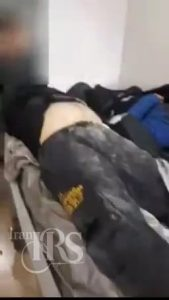
In Tehran, it has been reported that a 24-year-old boy who was injured in the clashes was under treatment for several days, but his family was not allowed to stay with him. Then they were informed that they should go to Kahrizak morgue to find their son’s body. There, bodies from children to the elderly were observed, and some who still showed signs of life were placed among body bags. These reports reflect the widespread massacre that occurred in the nationwide protests.
Ilam – Security silence and people’s latent anger
In Ilam, a complete security atmosphere prevails over the city, and even the prevailing silence in the space reflects the people’s hidden anger. Residents say that about 15 people were killed in this city during the nationwide protests, and many were arrested. People are waiting for an opportunity to return to the streets to once again declare their protest and express anger over crimes against humanity. They have said that “no one will back down anymore.”
Crimes against humanity and the need for international investigation
The above accounts from various cities indicate systematic and widespread violations of fundamental human rights in the nationwide protests. These are based on direct reports and clearly reveal serious dimensions of crimes against humanity:
- Article 6 of the International Covenant on Civil and Political Rights – Right to life The massacre of protesters, direct shooting at unarmed crowds, and killing of protesters in medical centers is a clear violation of the right to life.
- Article 7 of the International Covenant on Civil and Political Rights – Prohibition of torture and inhuman treatment Widespread arrests accompanied by mistreatment, threats to families, and mental and physical abuse of detainees are examples of inhuman treatment.
- Article 9 of the International Covenant on Civil and Political Rights – Right to liberty and security of person Arbitrary detention, enforced disappearance, and holding individuals without informing families violate this right.
- Article 19 of the International Covenant on Civil and Political Rights – Right to know the truth and absence of censorship Internet shutdowns, information control, and imposition of forced narratives to hide crimes violate the public’s right to know the truth.
Referral of the suppression of nationwide protests to the UN Security Council
In light of widespread reports of the massacre of protesters and systematic human rights violations during the nationwide protests, human rights activists have called for referring this case to the UN Security Council. They believe that the high volume of violence, use of lethal weapons, systematic repression, and deprivation of families from the truth constitute a clear example of crimes against humanity. According to these sources, only an international legal mechanism can hold the perpetrators of this repression accountable and pave the way for justice for the victims and survivors. Immediate investigation has been described as an urgent moral necessity.
See also the below articles:
- Exposing the killing and secret burial of protesters during the nationwide protests of 2026, in Babol, Amol and Mashhad
- Deadly repression in Khomein, Golpayegan and Shazand, Arak; three bloody centers of the nationwide protests of 2026
Follow Iran Human Rights Society on social networks:
Telegram /Twitter /Instagram / YouTube / Facebook
Join Iran Human Rights Society on Twitter



Discussion about this post