

Ahmad Naseri, 36, died in Sepidar Prison Ahvaz after delayed hospital transfer caused coma. Family denies suicide claim, demands justice for negligence.
Iran Human Rights Society, Monday, November 23, 2025 – Ahmad Naseri faced a heartbreaking fate in Sepidar Prison. This 36-year-old Arab man from Ahvaz lost his life due to shocking medical neglect. Officials claimed suicide, but his family and cellmates reject that story outright. Instead, they point to deliberate delays and ignored pleas for help. Therefore, this case highlights deep flaws in Iran’s prison system. Furthermore, it demands urgent accountability to prevent more needless deaths.
Tragic End for Ahmad Naseri in Iran’s Prisons
Ahmad Naseri supported his wife and three young daughters. He lived in Harashe neighborhood, known as Gamishabad, along the Koot Abdullah route in southeastern Ahvaz. Security forces arrested him in August 2025. They charged him with “participation in a group brawl.” Soon after, they sent him to Sepidar Prison. However, his stay there turned deadly. A sudden illness struck, and guards failed to act. As a result, what started as a treatable crisis ended in tragedy.
Delayed Transfer Sparks Ahmad Naseri’s Fatal Coma

Witnesses watched Ahmad Naseri suffer for days. About a week before his death, he fell severely ill. He collapsed unconscious on the prison floor. Cellmates raised alarms right away. They begged guards to call for medical aid. Yet, officials ignored their cries. For over three hours, Naseri lay there without help. Guards dismissed his condition as fake. Therefore, precious time slipped away.
Family members stepped in with fierce determination. They showed up at the prison gates. They pushed hard for action. Only then did authorities move. On Tuesday, November 18, 2025, they finally transferred Naseri to Imam Hospital in Ahvaz. Doctors rushed him straight to the intensive care unit. However, the delay proved too much. He slipped into a deep coma. Despite all efforts, he passed away on Saturday, November 22, 2025, at Khomeini Hospital Ahvaz. That afternoon marked the end of his fight. Moreover, it exposed a pattern of prison indifference that costs lives.
Family and Prisoners Deny Suicide in Ahmad Naseri Case
Prison bosses tried to spin a quick tale. They labeled Ahmad Naseri’s death a suicide. But his loved ones shot that down fast. “It’s a bold lie,” his relatives declared. They see it as a cover for their failures. Cellmates backed them up fully. Everyone agrees: neglect killed him, not his own hand. Deliberate delays and sloppy care sealed his fate. Furthermore, security teams now lean hard on the family. They pressure them to drop any complaints. Officials want silence to bury the truth.
Delayed Transfer Main Cause of Death

No one from the Khuzestan Prisons Administration speaks out yet. The Judiciary stays quiet too. As of Sunday, November 23, 2025, questions hang heavy. Why did guards wait so long? Reports show they knew his state early on. Yet, they held back. And that suicide story? It lacks proof or witnesses. Therefore, doubt clouds everything. Activists call it a classic dodge. Prisons often hide behind such claims to dodge blame.
Unanswered Questions Demand Probe into Prison Neglect
Ahmad Naseri’s story leaves scars and suspicions. Families wonder: When did officials spot the danger? Why block a fast hospital run? And why push a baseless suicide angle? These gaps scream for answers. His kin demands a full, fair probe. They stress that “healing oversights and willful blindness” cannot stand. Local voices echo that call. They fear more deaths if nothing changes. Prisons already brim with ignored illnesses. Therefore, this pattern risks fresh horrors.
Experts tie it to bigger woes. Iran’s jails overflow with unchecked suffering. Guards prioritize control over care. As a result, simple sickness turns lethal. Ahmad Naseri’s loss underscores the human toll. His daughters now face life without a father. His wife grapples with grief and rage. However, their fight pushes forward. They seek justice to honor him. And they urge the world to watch closely.
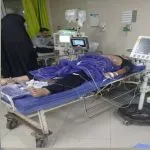
Human Rights Breaches in Ahmad Naseri’s Untreated Illness
Neglect of prisoners’ medical conditions and cover-ups regarding the causes of their deterioration constitute a serious violation of fundamental human rights, with direct responsibility lying with prison authorities and security institutions.
- Article 3 of the Universal Declaration of Human Rights – Right to Life: Depriving a sick prisoner of immediate treatment places their life in serious danger.
- Article 5 of the Universal Declaration of Human Rights – Prohibition of Torture and Inhumane Treatment: Ignoring a prisoner’s illness and suffering is a form of inhumane and degrading treatment.
- Article 7 of the International Covenant on Civil and Political Rights – Prohibition of Torture: Deprivation of essential medical care for a prisoner constitutes torture and physical and psychological abuse.
- Nelson Mandela Rules – Right to Treatment for Prisoners: Prison officials are obligated to immediately transfer sick prisoners to medical facilities, and failure in this duty is a direct violation of international standards.
See also the below articles:
- UN Third Committee Adopts Resolution on Iran’s Human Rights Crisis
- Ibrahim Parsamehr Detention: Denied Treatment in Sheiban Prison
Follow Iran Human Rights Society on social networks:
Telegram /Twitter /Instagram / YouTube / Facebook
Join Iran Human Rights Society on Twitter








Discussion about this post