

Iran executed 9 prisoners in Zahedan, Aligudarz, and Gorgan prisons in July 2025, raising human rights concerns. Learn about the cases and violations.
Iran Human Rights Society, July 20, 2025- Iran’s execution rate alarms observers, with 74 prisoners executed in Tir, the Iranian Persian month, averaging over two daily. On July 19 and 20, 2025, authorities executed nine prisoners across Zahedan, Aligudarz, and Gorgan prisons, according to the Iran Human Rights Society. These cases spotlight Iran’s frequent use of the death penalty, which critics argue violates human rights standards. This article explores the recent executions, their details, and their conflict with global human rights principles.
Executions in Zahedan Prison: Six Lives Lost
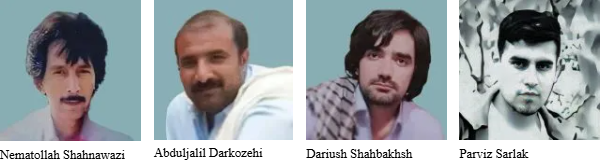
On July 20, 2025, Zahedan Prison executed six prisoners. Three were identified as:
– Dariush Shahbakhsh, 24, a married father from Golchah village, Korin district.
– Nematollah Shahnawazi, a married father from Khash.
– Abduljalil Darkozehi, 35, a married father from Chah-Ahmad village, Taftan district.
Authorities arrested these men in 2021 for drug-related charges and sentenced them to death. The identities of the other three remain under investigation. Lack of transparency in these cases raises doubts about fair trials.
Aligudarz Prison Executions: Two Men Hanged
On July 19, 2025, Aligudarz Prison executed Parviz Sarlak and Mohammad Ahmadkhani, both charged with murder. Sparse details about their trials amplify concerns about judicial fairness, a persistent issue in Iran’s legal system. These executions add to the country’s high execution tally, sparking global criticism.
Gorgan Prison: Yaqub Moradi and Others Executed
On July 15, 2025, Gorgan Prison executed Yaqub Moradi, a married father from Gorgan, arrested three years earlier for drug-related charges. Three other prisoners faced execution that day, including Alireza Ashtarak and Mohammad Ashtarak. The third prisoner’s identity remains unknown. These cases highlight Iran’s reliance on capital punishment, often for non-violent offenses.
Death Penalty Contradicts Universal Declaration of Human Rights
Article 3 of the Universal Declaration of Human Rights states, “Everyone has the right to life.” Only a competent court can deprive this right for legally recognized crimes. However, the death penalty conflicts with this principle for several reasons:
– Right to Life: This fundamental, inalienable right faces violation through executions.
– Irreversibility: Judicial errors cannot be undone after an execution.
– Inhumane Treatment: Some execution methods qualify as torture, breaching human rights standards.
These factors make the death penalty a clear violation of global human rights norms.
Iran’s Breach of Human Rights Obligations
Article 6 of the International Covenant on Civil and Political Rights, which Iran signed, allows the death penalty only for the most serious crimes with full fair trial guarantees. Yet, many cases in Iran lack transparency, restrict defendants’ legal rights, and involve courts without proper independence. Consequently, these executions violate fundamental human rights principles, drawing widespread condemnation.
Follow Iran Human Rights Society on social networks:
Telegram /Twitter /Instagram / YouTube / Facebook
Join Iran Human Rights Society on Twitter







Discussion about this post