
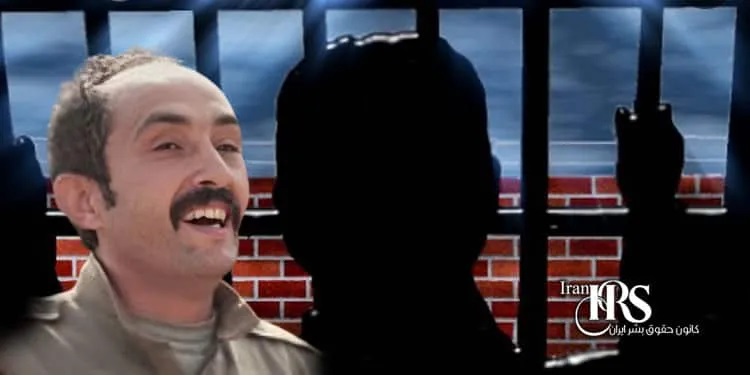
On August 5, 2021, Idris Feqhi, a Kurdish citizen from Sanandaj, was injured in the leg and arrested by IRGC forces during an armed clash between the IRGC and unidentified armed individuals in Alamabad village, Bokan County. Local witnesses reported that he was detained while wounded and offered no resistance.
Iran Human Rights Society, June 8, 2025 – Idris Feqhi, a young Kurdish man from Sanandaj, has been subjected to enforced disappearance for over three years following his arrest by security forces on August 5, 2021. His family has no information about his fate, and security and judicial authorities refuse to acknowledge responsibility for his situation.
Details of the Arrest

On August 5, 2021, Idris Feqhi was injured in the leg and arrested by IRGC forces during an armed clash between the IRGC and unidentified armed individuals in the village of Alamabad, Bokan County. Local witnesses reported that he was detained while wounded and offered no resistance. Since that moment, his family has been completely cut off from any information about his status. Feqhi has had no contact with his family, nor has he been granted access to a lawyer or visitation rights.
Family’s Fruitless Efforts
Over the past three years, Feqhi’s family has repeatedly approached various security, judicial, and law enforcement institutions, including the Bokan judiciary, intelligence agencies, IRGC, and prisons across Kurdish regions. However, they have consistently faced denials or silence from officials. In some instances, the family was warned that excessive inquiries could lead to “consequences.” The absence of formal charges, judicial rulings, or even confirmation of whether Feqhi is alive or dead has left him in a state of enforced disappearance, violating both his and his family’s rights.
Enforced Disappearance as a Tool of Repression
Enforced disappearance in Iran, particularly in marginalized regions like Kurdistan, Baluchistan, and Arab-populated areas of Khuzestan, has long been a method for silently suppressing perceived opponents or those suspected of political activity. Often, individuals are held in secret detention centers or security facilities, subjected to torture, and denied basic rights. The lack of international oversight and the suppression of independent media in Iran allow such practices to persist in near-total silence. Feqhi’s case is a stark example of this systematic human rights violation.
Amnesty International’s Call for Action
Amnesty International has called for an investigation into Feqhi’s status, noting that he was subjected to enforced disappearance by Iranian authorities since early August 2021. The organization reported that Feqhi was targeted by IRGC gunfire during the clash, initially presumed dead by his family. However, a month later, eyewitnesses confirmed he was alive but injured and detained. Former prisoners later reported seeing him in an IRGC detention center in Urmia’s Al-Mahdi Barracks, in critical condition due to torture and lack of medical care.
Human Rights Violations
According to the United Nations, enforced disappearance occurs when a person is detained by state agents or with their acquiescence, but no information is provided about their fate or whereabouts, and the state denies responsibility. Feqhi’s case clearly meets this definition, violating several articles of the International Covenant on Civil and Political Rights (ICCPR):
Article 9 – Right to Liberty and Security of Person: Feqhi was detained without a judicial warrant, without informing his family, and without the ability to defend himself, constituting a clear violation of his right to freedom from arbitrary detention.
Article 10 – Humane Treatment of Detainees: Feqhi has been denied contact with his family, medical treatment for his injuries, and access to a lawyer, indicating inhumane and degrading treatment.
Article 14 – Right to a Fair Trial: No court proceedings have been held to address Feqhi’s status, and he has been entirely deprived of his right to legal defense.
Article 7 – Prohibition of Torture and Cruel Treatment: The denial of contact, medical care, and information, particularly for an injured detainee in security custody, constitutes cruel and inhumane treatment.
Pressure on Feqhi’s Family
Approximately ten days before June 2025, Feqhi’s mother, Fatemeh Maqsoudi, was summoned to the Sanandaj Intelligence Office and warned against wearing a white headscarf, a symbol of the “Mothers of Peace” in Kurdistan, highlighting the ongoing intimidation faced by the family.
A Call for Accountability
The enforced disappearance of Idris Feqhi is a glaring violation of human rights, reflecting a broader pattern of repression in Iran’s Kurdish regions. Posts on X emphasize that public pressure could compel the Iranian government to provide answers about his fate. Despite over three years of absolute silence, the lack of transparency and accountability continues to deepen the family’s anguish and underscores the urgent need for international attention to such cases.
Follow Iran Human Rights Society on social networks:
Telegram /Twitter /Instagram / YouTube / Facebook
Join Iran Human Rights Society on Twitter





Discussion about this post