As the hunger strike of approximately 1,500 death-row prisoners in Ghezel Hesar Prison enters its eighth day, reports detail the deteriorating health of several strikers, the commencement of a dry hunger strike, the transfer of prisoners to solitary confinement, and the gathering of families in front of the prison.
Iran Human Rights Society, Monday, July 20, 2026 – The widespread hunger strike of death-row prisoners in Ghezel Hesar Prison has entered its eighth day; a protest that initiated with the transfer of several prisoners to solitary confinement and has now, with the worsening physical condition of certain strikers, the onset of a dry hunger strike, and repeated calls to halt executions, transformed into one of the most unprecedented collective protests in Iranian prisons.
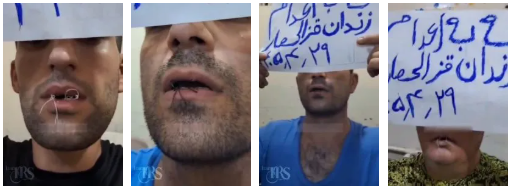
Based on images, videos, and messages received from inside the prison, approximately 1,500 prisoners in Unit 2 of Ghezel Hesar Prison—mostly sentenced to death on drug-related charges—continue their hunger strike. Reports indicate that a number of them require medical attention due to extreme physical weakness, and several have sewn their lips together and begun a dry hunger strike in protest against the lack of response to their demands.
Key Information | Status of Ghezel Hesar Prison Strike
| Title | Information |
| Location | Ghezel Hesar Prison, Karaj |
| Number of Strikers | Approximately 1,500 prisoners |
| Strike Commencement Date | July 13, 2026 (22 Tir 1405) |
| Current Status | Eighth day of hunger strike |
| Cause of Protest | Opposition to the execution of death sentences and transfer of prisoners to solitary confinement |
| Latest Developments | Onset of dry hunger strike, deteriorating health of several prisoners, and family gatherings |
Chronology of the Hunger Strike in Ghezel Hesar Prison
| Date | Event |
| July 13 (22 Tir) | Transfer of six death-row prisoners to solitary confinement and initiation of the hunger strike by approximately 1,500 prisoners |
| July 14 (23 Tir) | Continuation of the strike and public declaration of opposition to the execution of death sentences |
| July 15 (24 Tir) | Release of initial images and reports detailing severe physical weakness among some prisoners |
| July 16 (25 Tir) | Transmission of messages and statements from inside the prison requesting support from human rights organizations |
| July 17 (26 Tir) | Escalation of physical health complications; continuation of the strike despite pressure |
| July 18 (27 Tir) | Sewing of lips by several prisoners and the commencement of a dry hunger strike |
| July 19 (28 Tir) | Entry of the strike into its eighth day and heightened concerns over the strikers’ health |
How the Hunger Strike Began

The hunger strike of prisoners in Unit 2 of Ghezel Hesar Prison began on Monday, July 13, 2026, when six death-row prisoners accused of drug-related offenses were transferred from the general ward to solitary confinement. Viewing this transfer as an indicator of imminent executions, prisoners refused food in protest.
The protesting prisoners declared their primary objectives to be the halt of death sentence executions, the return of transferred prisoners to the general ward, and a review of issued sentences—particularly in drug-related cases.
Transfer to Solitary Confinement: The Catalyst
According to informed sources, the transfer of death-row prisoners to solitary confinement in most cases serves as the final step prior to execution. This triggered widespread anxiety among the inmate population, prompting them to initiate a hunger strike in an effort to prevent the executions.
Prisoners also stated that previous promises regarding the reform of laws governing capital punishment in drug cases have remained unfulfilled. In their messages, several prisoners emphasized that poverty, unemployment, and economic hardship were the primary factors leading to their involvement in these cases.
Response of Prison Authorities
According to received reports, during the initial days of the strike, prison officials implemented measures to restrict communication between prisoners and the outside world. These measures included signal jamming, attempts to confiscate mobile phones, and efforts to block the publication of images and news regarding the strike.
Despite these restrictions, prisoners managed to transmit images, videos, and messages from inside the ward. These visuals have documented the progression of the protest and the physical condition of the strikers, enabling daily tracking of developments.
Onset of the Dry Hunger Strike
As their demands remained unanswered, several prisoners sewed their lips together on the seventh day of the strike and initiated a dry hunger strike.
This escalation occurred alongside reports of deteriorating health among a number of strikers. Several individuals have experienced severe lethargy due to physical weakness and require medical attention. In their messages, the prisoners emphasize that their fundamental demands are the recognition of the right to life, the cessation of executions, and the cancellation of death sentences, asserting that they will continue their protest until these demands are met.
Family Gatherings in Front of Ghezel Hesar Prison
Concurrently with the strike, on Sunday, July 19, 2026, a number of prisoners’ families gathered in front of Ghezel Hesar Prison to demand a halt to the executions.
Expressing deep concern over the physical condition of the prisoners, the families called on authorities to address their demands and prevent further executions. This gathering, occurring alongside the release of images showing the dry hunger strike, has drawn heightened public attention to the prisoners’ plight.
Current Status Summary | Ghezel Hesar Prison
| Subject | Status |
| Number of Strikers | Approximately 1,500 individuals |
| Day of Strike | Eighth day |
| Type of Protest | Hunger strike and dry hunger strike |
| Transferred to Solitary | At least 6 prisoners |
| Physical Condition | Reports of severe weakness and urgent need for medical care |
| Primary Demand | Halt to executions and cancellation of issued death sentences |
As the hunger strike in Ghezel Hesar Prison enters its second week—marked by the commencement of a dry hunger strike and severe health complications—concerns for the lives of the prisoners continue to escalate. Nevertheless, the prisoners maintain that they will persist with their protest until their demands for a halt to executions and a review of capital sentences are addressed.
See also the below articles:
- Abolfazl and Alireza Sepahi Execution: Imminent Sentences in Isfahan
- Ghezel Hesar Hunger Strike 7th Day: Inmates and Families Demand End to Executions + Video and Photos
Follow Iran Human Rights Society on social networks:
Telegram /Twitter /Instagram / YouTube / Facebook
Join Iran Human Rights Society on Twitter