
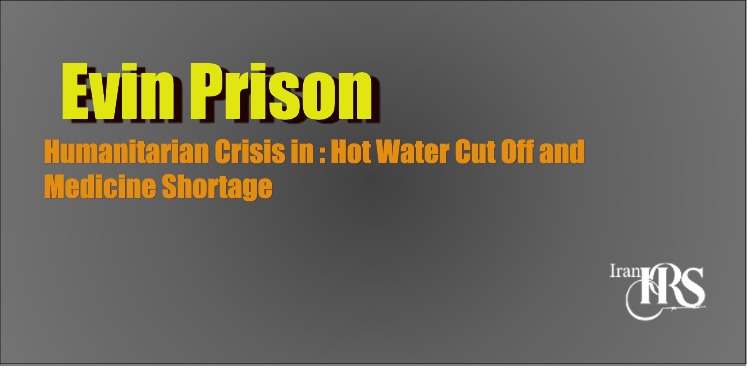
Fresh reports from Evin Prison indicate the cut-off of hot water, disruption in electricity supply, and severe shortage of medicine; human rights activists demand the implementation of Resolution 211 and the release of prisoners
Iran Human Rights Society, Tuesday, March 17, 2026 – Fresh reports published by families of prisoners in Evin Prison show that in recent days, prisoners have been facing a severe shortage of basic facilities and medical services. The complete cut-off of hot water, disruption in electricity supply, and very limited access to medicine and doctors are among the problems reported for the prisoners. This situation is raised while earlier Evin Prison was targeted by bombardment during the 12-day war, and human rights activists have warned about the dangers of continuing to keep prisoners in such conditions.
Cut-off of Hot Water and Electricity Disruption in Evin Prison
According to information published by families of prisoners, in recent days hot water in Evin Prison has been completely cut off. At the same time, reports of power outages in some sections of the prison have also been published, and it is said that electricity in some wards is only supplied using diesel generators.
According to informed sources, this situation has made living conditions in Evin Prison more difficult for the prisoners. In wards with a high population of prisoners, the lack of hot water and electricity problems have had a direct impact on the hygienic conditions of the prisoners.
Families say that in such conditions, prisoners even face problems for bathing and observing minimum hygiene standards, and this very issue has increased concerns about their health.
Severe Shortage of Medicine and Lack of Medical Services
In addition to infrastructure problems, reports indicate a severe shortage of medicine in Evin Prison. Sources close to the families of prisoners say that in recent days many prisoners have caught colds, but medical facilities in the prison are very limited.
According to these reports, only a small amount of diphenhydramine syrup has been provided to the prisoners and each prisoner has been asked to consume only one spoonful of it. It is also said that some prisoners have been given only one cold tablet and even this limited amount has not reached many prisoners.
Informed sources say that currently prisoners in Evin Prison have very limited access to doctors, medicine, and even the prison clinic, and in practice many prisoners have been deprived of medical services.
Reduction of Prison Services and Families’ Concerns
Published reports also indicate that in recent days many prison staff have not shown up at work and this has led to a reduction in the provision of services in the prison.
According to informed sources, the reduced presence of staff has caused prisoners to be deprived of many essential services that were previously available. In such conditions, prisoners have faced serious problems in meeting their basic needs.
Families of prisoners have also expressed concern about the continuation of this situation and say that many prisoners are in prison due to civil or political activities and their health is in danger.
Necessity of Implementing Resolution 211 for the Release of Prisoners
In reaction to the conditions of Evin Prison, human rights activists have once again emphasized the necessity of implementing Resolution 211. This resolution provides the possibility of release or furlough for some prisoners in special conditions and can help reduce the prison population.
According to these activists, many political and civil prisoners held in Evin Prison have been arrested due to peaceful civil activities and do not pose a threat to society.
In such circumstances, the implementation of Resolution 211 can, in addition to reducing pressure on prisons, help improve the conditions of prisoners.
Bombardment of Evin Prison in the 12-Day War
Concerns about the situation of prisoners have increased while earlier Evin Prison was targeted by bombardment during the 12-day war. This attack created serious concerns about the security of prisoners and their detention conditions.
Human rights activists say that given such a background, continuing to keep prisoners in conditions where even basic facilities have become limited creates greater risks to their lives and health.
Violation of Basic Human Rights Principles in Evin Prison
Human rights experts emphasize that the current conditions in Evin Prison can be considered an example of serious violation of prisoners’ rights. Deprivation of medical services, shortage of medicine, cut-off of hot water, and restricted access to doctors are among the cases that can endanger the physical and mental health of prisoners.
- Violation of the Right to Enjoy Health and Medical Services – Article 25 of the Universal Declaration of Human Rights: Depriving prisoners of proper access to medical services, doctors, and medicine can be contrary to the right of every human being to enjoy an adequate standard of health and medical care.
- Violation of the Right to Humane Treatment of Prisoners – Article 10 of the International Covenant on Civil and Political Rights: Keeping prisoners in conditions lacking minimum hygienic and medical facilities can be contrary to the obligation to humane treatment and respect for the inherent dignity of persons during detention.
- Violation of the Prohibition of Inhuman or Degrading Treatment – Article 5 of the Universal Declaration of Human Rights: Placing prisoners in conditions that gradually weaken their physical and mental health can be considered an example of inhuman or degrading treatment and in some cases described by human rights observers as “white torture.”
See also the below articles:
- Violent Arrest of Sheikh Zahed Shahabi in Saqqez Sparks Alarm
- Report from Tehran Great Prison; Prisoners in Critical Conditions Under Bombardment and Severe Shortage of Water and Food
Follow Iran Human Rights Society on social networks:
Telegram /Twitter /Instagram / YouTube / Facebook
Join Iran Human Rights Society on Twitter







Discussion about this post