
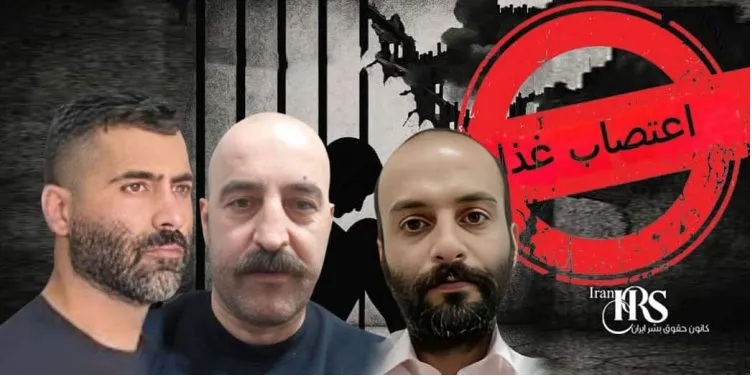
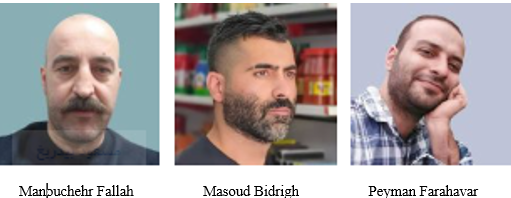
Three political prisoners, Manouchehr Fallah, Masoud Bidrigh, and Peyman Farahavar, stage a hunger strike in Lakan Prison, Rasht, protesting rights violations.
Iran Human Rights Center, Monday, August 11, 2025 – Three political prisoners—Manouchehr Fallah, Masoud Bidrigh, and Peyman Farahavar—launched a hunger strike in Lakan Prison, Rasht, on August 10, 2025, to protest severe rights violations. This bold action highlights the ongoing human rights abuses in Iran’s prison system. The prisoners demand fair treatment, access to medical care, and an end to unjust death sentences. Their protest sheds light on the oppressive conditions in Lakan Prison.
Why Did the Hunger Strike Begin?
Masoud Bidrigh, a renowned Gilan boxer, initiated the hunger strike to challenge repeated denials of leave and ignored requests for medical care. His deteriorating mental and physical health in the Misagh ward of Lakan Prison sparked the protest. Prison authorities consistently dismissed his pleas, including basic requests for medical leave. Consequently, Bidrigh took a stand to demand his rights.
Manouchehr Fallah and Peyman Farahavar, both facing death sentences, joined Bidrigh’s hunger strike. They aim to support their fellow prisoner and expose the harsh conditions in Lakan Prison. Their collective action underscores the systemic neglect and oppression faced by political prisoners in Iran.
Masoud Bidrigh’s Transfer to Solitary Confinement
Instead of addressing the prisoners’ legitimate demands, Lakan Prison authorities escalated the situation. They transferred Masoud Bidrigh to solitary confinement on August 11, 2025. Sources inside the prison confirm this move was punitive, aiming to inflict further psychological and physical pressure. Such actions violate basic human rights and intensify the prisoners’ suffering.
Masoud Bidrigh’s Legacy of Resistance

Bidrigh has a history of standing against injustice. In February 2025, he protested outside Lakan Prison, opposing Manouchehr Fallah’s death sentence. He declared that executing political prisoners violates human rights and dignity. His ongoing defiance, despite harsh repercussions, inspires others to resist oppressive policies.
Death Sentences and Unfair Trials
Manouchehr Fallah and Peyman Farahavar face death sentences under questionable circumstances. Human rights activists report that their trials lacked transparency. Authorities denied them independent legal counsel and relied on forced confessions. These violations highlight a broader pattern of judicial misconduct in Iran’s legal system. The prisoners’ hunger strike aims to draw global attention to these injustices.
Health Risks of the Hunger Strike

Hunger strikes in Lakan Prison’s grueling conditions pose serious health risks. Independent doctors warn that even short-term hunger strikes can cause low blood pressure, low blood sugar, and general weakness. Prolonged strikes may lead to irreversible organ damage. The prison’s lack of medical facilities and delayed care heighten these dangers, putting the prisoners’ lives at risk.
Human Rights Violations in Lakan Prison
The hunger strike reveals multiple human rights abuses in Lakan Prison, including:
- Right to Life: Unjust death sentences threaten prisoners’ lives.
- Right to Health: Authorities deny medical care and leave.
- Right to Fair Trial: Non-transparent trials rely on coerced confessions.
- Right to Protest: Prison officials punish peaceful demonstrations.
These violations reflect a systemic effort to suppress dissent and silence political prisoners.
A Call for Global Action
Political activists and prisoners’ families urge the public to act. They call for documenting these abuses, contacting human rights organizations, and exposing responsible authorities. International pressure is crucial to halt these violations. The hunger strike in Lakan Prison demands urgent oversight and the abolition of death sentences for political prisoners.
The hunger strike by Fallah, Bidrigh, and Farahavar in Lakan Prison underscores the urgent need for change. Their bravery calls for global solidarity to protect their rights and end the cycle of repression in Iran’s prisons.
Follow Iran Human Rights Society on social networks:
Telegram /Twitter /Instagram / YouTube / Facebook
Join Iran Human Rights Society on Twitter






Discussion about this post