
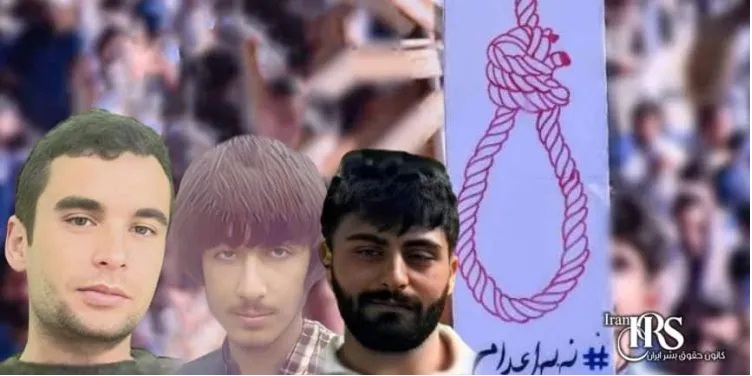
Iran executed 9 prisoners in August 2025, raising concerns about human rights violations and the death penalty’s conflict with international law
Iran Human Rights Society, Sunday, August 10, 2025 – The death penalty in Iran remains a pressing human rights issue. In August 2025, authorities executed nine prisoners across prisons in Arak, Kermanshah, Ahvaz, Mashhad, and Saravan, contributing to a staggering total of at least 111 executions this month. This alarming rate—over five executions daily—highlights Iran’s frequent use of capital punishment, often for drug-related charges or murder. These actions raise serious concerns about violations of international human rights standards, including the Universal Declaration of Human Rights. This article explores the recent executions and their implications.
Recent Executions in Iran: A Growing Concern
On August 10, 2025, Iran executed nine prisoners in five prisons, pushing the monthly total to 111. This equates to one execution every five hours. Such a high frequency underscores the urgent need to address Iran’s use of the death penalty, which often lacks transparency and fair trials.
Executions in Arak Prison
On August 10, 2025, Arak Prison executed two prisoners. Authorities confirmed one as Ahmadreza Turkashvand, charged with drug offenses. The second prisoner’s identity remains unverified. These cases reflect Iran’s heavy reliance on capital punishment for non-violent crimes, raising ethical questions.
Three Executions in Kermanshah’s Dizelabad Prison
On August 9, 2025, Kermanshah’s Dizelabad Prison executed three individuals:
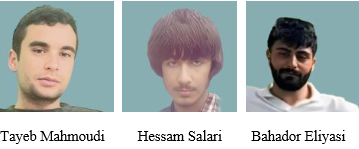
- Bahador Eliyasi, 31, from Khorramabad, arrested in 2022 for drug charges.
- Soleiman Naseri Kheiz, from Kermanshah, arrested in 2020 for drug offenses.
- Sajjad Habibi, 38, from Ilam, arrested in 2019 for drug-related crimes.
All received death sentences. These cases highlight the frequent use of the death penalty for drug offenses, often without adequate legal protections.
Execution in Ahvaz’s Sepidar Prison
On August 9, 2025, authorities executed Tayeb Mahmoudi, 26, from Dezful, in Ahvaz’s Sepidar Prison. Arrested in 2020 for murder, Mahmoudi’s case reflects Iran’s application of capital punishment for violent crimes. However, questions about fair trial standards persist.
Two Executions in Mashhad’s Vakilabad Prison
On August 6, 2025, Mashhad’s Vakilabad Prison executed two prisoners:
- Javad Yousefi, 45, from Kashmar, arrested in 2021 for drug charges. His family received no notification or final visit.
- Omid Azizian, also charged with drug offenses.
These executions, conducted without transparency, violate basic human rights principles.
Execution in Saravan Prison
On August 10, 2025, Saravan Prison executed Hessam Salari (Reissi), 24, from Golshan County. Arrested in 2025 for murder, his case adds to the growing list of death penalty cases lacking clear judicial oversight.
Death Penalty and Human Rights Violations
The death penalty in Iran conflicts with Article 3 of the Universal Declaration of Human Rights, which guarantees the right to life. Capital punishment is irreversible, risking judicial errors. Moreover, some execution methods constitute torture, violating international standards. Iran’s frequent use of the death penalty, especially for drug offenses, disregards these principles.
Breach of International Commitments
Iran, a signatory to the International Covenant on Civil and Political Rights, must ensure fair trials and limit the death penalty to the most serious crimes. However, many cases lack transparency, restrict defendants’ rights, and involve courts without independence. These practices violate Iran’s human rights obligations.
Follow Iran Human Rights Society on social networks:
Telegram /Twitter /Instagram / YouTube / Facebook
Join Iran Human Rights Society on Twitter






Discussion about this post