

Arghavan Fallahi’s transfer to Qarchak Prison’s women’s ward sparks concern. Iran’s judiciary violates her rights with torture and unfair detention.
Iran Human Rights Organization, Saturday, August 8, 2025 – Arghavan Fallahi, a political prisoner, faces ongoing persecution in Iran. On August 8, 2025, authorities transferred her to the women’s political prisoners ward at Qarchak Prison in Varamin after months of torture and solitary confinement. Arrested on January 25, 2025, for “propaganda against the system” and “supporting an opposition organization,” Fallahi endured severe interrogations. Her case exposes Iran’s systemic human rights abuses. Therefore, international action is critical to secure her release and address prison conditions.
Arrest and Harsh Interrogations
Authorities detained Arghavan Fallahi in Tehran on January 25, 2025, under the supervision of the IRGC Intelligence Organization and Judiciary’s Intelligence Agency. She faced charges of “propaganda against the system” and “supporting an opposition organization.” Initially held in Ward 241 of Evin Prison, she endured prolonged solitary confinement designed to break her resistance. Human rights sources report intense psychological and physical pressure during interrogations, highlighting Iran’s tactic of targeting activists with vague charges to suppress dissent.
Transfers to Fashafuyeh and an Unknown Location
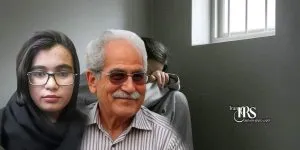
After Evin, authorities moved Fallahi to Fashafuyeh Prison, notorious for overcrowding, unsanitary conditions, and violence. She spent two months in solitary confinement before her transfer to an undisclosed location, cutting off all contact with her family and lawyer. Her father, Nasrollah Fallahi, also a political prisoner, reported an unpayable 2 billion toman bail, effectively blocking her release. This period of enforced disappearance raised alarms about her safety and well-being.
Qarchak Prison: A New Phase of Hardship
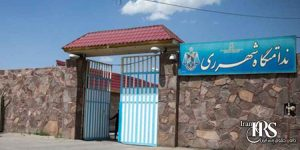
Fallahi’s transfer to Qarchak Prison’s women’s ward ends her solitary confinement but introduces new risks. Qarchak, one of Iran’s most infamous facilities, suffers from overcrowding, lack of clean water, poor food quality, and inadequate medical care. Political prisoners, including Fallahi, face safety threats due to the absence of crime separation, mixing them with violent offenders. Despite limited interaction with other inmates, she remains under strict security restrictions, limiting her rights and exacerbating her ordeal.
Ongoing Deprivations and Health Concerns
Even in Qarchak, Fallahi faces severe restrictions. Authorities deny her regular family contact and legal access, violating basic prisoner rights. Reports indicate visible signs of psychological trauma from prolonged interrogations and solitary confinement. Her physical health, already compromised by a chronic condition, worsens due to denied medical care. These conditions reflect Iran’s deliberate strategy to isolate and weaken political prisoners, raising urgent concerns about her survival.
Human Rights Violations in Focus
Fallahi’s case violates multiple international human rights standards:
- Article 9, Universal Declaration of Human Rights: Prohibits arbitrary detention. Her detention without a fair trial breaches this right.
- Article 5, Universal Declaration of Human Rights: Bans torture and cruel treatment. Prolonged solitary confinement and psychological pressure violate this principle.
- Article 19, Universal Declaration of Human Rights: Protects freedom of expression. Charges tied to her activism infringe on this right.
- Article 10, ICCPR: Mandates humane treatment. Qarchak and Fashafuyeh’s conditions defy this standard.
These violations underscore Iran’s use of the judiciary to silence dissent. The lack of transparency in her case fuels fears of further mistreatment.
Public and International Response
Human rights activists and organizations demand Fallahi’s immediate release, calling for oversight of Iran’s prison conditions. Social media campaigns, using hashtags tied to her name, amplify her plight and pressure authorities. International bodies, including Amnesty International, urge action to protect political prisoners like Fallahi. Their advocacy highlights the need for global intervention to address Iran’s human rights abuses.
A Call for Urgent Action
Despite her transfer to Qarchak, Fallahi’s future remains uncertain. Iran’s judiciary often extends sentences or adds new charges to prolong detention. Public pressure and international advocacy are vital to secure her release and improve conditions.
Follow Iran Human Rights Society on social networks:
Telegram /Twitter /Instagram / YouTube / Facebook
Join Iran Human Rights Society on Twitter





Discussion about this post