

Qarchak Prison’s quarantine ward traps prisoners in inhumane conditions with overcrowding and health risks, violating human rights.
Iran Human Rights Society, Sunday, September 21, 2025 – Qarchak Prison’s quarantine ward in Varamin, Iran, stands as a stark symbol of human rights violations. On September 21, 2025, the Iran Human Rights Society exposed its horrific conditions. New prisoners endure extreme overcrowding, unsanitary environments, and no medical care. The ward’s oppressive atmosphere fuels disease and despair. Furthermore, these abuses defy international standards like the Nelson Mandela Rules. Activists now demand urgent reform to end this humanitarian crisis in Qarchak Prison’s quarantine ward.

Qarchak Prison Quarantine Ward: A Hub of Inhumanity
The quarantine ward, intended for temporary health checks, has become a prison within a prison. Authorities pack countless inmates into cramped, filthy rooms. Overcrowding suffocates them, while poor hygiene breeds disease. Nearby garbage burning pollutes the air with toxic fumes. Flies infest the space, and restroom stench overwhelms. Gastrointestinal and infectious diseases spread unchecked. Yet, prison officials ignore these crises, showing blatant disregard for human dignity. This ward’s conditions violate every standard of humane treatment.
Extreme Overcrowding Fuels Psychological Strain
Small rooms confine dozens of prisoners, leaving no personal space. This intense overcrowding triggers severe anxiety, depression, and nervous breakdowns. The ward’s terrifying atmosphere crushes mental health. Constant noise pollution from shouting and clanging disrupts rest. Moreover, lights burn 24/7, preventing sleep. Limited phone access isolates prisoners from families, escalating stress. These conditions in Qarchak Prison’s quarantine ward strip inmates of dignity, defying global human rights principles.
Unsanitary Conditions Breed Disease Outbreaks
Hygiene in the ward is nonexistent. Authorities provide no disinfectants or cleaning supplies. Unsanitary restrooms and poor ventilation foster skin diseases, influenza, and worse. Reports highlight HIV transmission risks due to overcrowding. Contaminated air and surfaces accelerate infections. Families sound alarms, but officials take no action. This neglect endangers all prisoners, creating a public health crisis. Consequently, the ward fails to meet even basic sanitary standards, risking lives daily.
Inedible Food and Widespread Malnutrition
Prisoners receive spoiled, foul-smelling food. Meals are often inedible, forcing hunger. Fruit, sold at exorbitant prices in the prison store, remains out of reach for most. Sick women suffer acute malnutrition. Furthermore, prisoners cannot cook their own meals, leaving them dependent on substandard rations. This deprivation violates their right to adequate nutrition. Authorities’ indifference deepens the crisis, ignoring basic needs in Qarchak Prison’s quarantine ward.
Medical Care Denied, Lives Endangered

Access to medical services is a myth. Prisoners beg for treatment, receiving only empty promises. Many must buy medication themselves, but guards often confiscate it. This delays care, worsens illnesses, and sometimes leads to death. The ward’s neglect breaches legal obligations to provide healthcare. Sick prisoners, especially the elderly, suffer immensely. Consequently, this systemic failure in Qarchak Prison’s quarantine ward amplifies preventable suffering.
Extreme Temperatures Worsen Suffering
The ward lacks proper cooling or heating systems. Summer heat suffocates without ventilation or air conditioning. Winter cold bites, particularly for sick or elderly inmates. Prisoners resort to using plastic sheets for warmth, a desperate measure. This disregard for basic comfort violates their rights. Moreover, it reflects authorities’ callous neglect, making Qarchak Prison’s quarantine ward a place of relentless hardship.
Harsh Punishment for Complaints
Protesting food, hygiene, or conditions brings swift punishment. Guards transfer complainers to solitary confinement, instilling fear. This policy silences dissent, crushing hope for change. It also creates an atmosphere of intimidation. Prisoners avoid speaking out, knowing retaliation awaits. This oppressive tactic in Qarchak Prison’s quarantine ward denies inmates their right to voice grievances, reinforcing systemic control.
Substandard Sleeping Conditions Harm Health
Short, non-standard beds cannot accommodate all prisoners. Many sleep on cold, dirty floors, fostering skin and infectious diseases. Requests for better bedding go ignored. The ward’s conditions degrade health and dignity, ignoring global standards like the Nelson Mandela Rules. Consequently, prisoners endure preventable suffering, with no relief in sight.
Systemic Neglect and Disease Spread
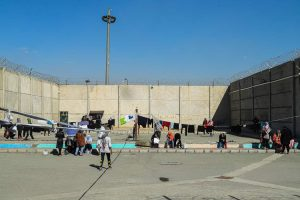
The ward’s lack of disinfectants and ventilation fuels disease outbreaks. Skin infections, influenza, and contagious illnesses thrive. HIV risks rise due to shared, unsanitary spaces. Authorities fail to act, ignoring family pleas. This neglect creates a cycle of illness and despair. Furthermore, it violates prisoners’ right to health, making Qarchak Prison’s quarantine ward a breeding ground for suffering.
Communication Barriers Heighten Isolation
Limited phone access sparks conflicts among prisoners. Many cannot contact families, deepening their sense of isolation. This restriction worsens mental health, fueling anxiety and despair. The ward’s 24/7 lighting and noise pollution compound these issues. Consequently, prisoners feel cut off from the world, trapped in a cycle of psychological torment.
Human Rights Violations
Qarchak Prison’s quarantine ward breaches multiple international standards:
- Article 7, International Covenant on Civil and Political Rights: Bans torture and inhuman treatment. The ward’s neglect and conditions violate this.
- Article 10, same Covenant: Demands humane treatment and dignity. Overcrowding and deprivations defy it.
- Article 12, International Covenant on Economic, Social and Cultural Rights: Ensures health rights. Denying medication and hygiene breaks this rule.
- Nelson Mandela Rules: Require hygiene, nutrition, and medical care. Qarchak’s ward fails entirely.
See also the below articles:
- Iran executes 9 prisoners, including one woman, pushing August 23–September 21, 2025 toll to 181Iran executes 9 prisoners, including one woman, pushing August 23–September 21, 2025 toll to 181
- Amirhossein Moradi and Ali Younesi: From Prison to University; Binding Hands in the Fight for Freedom
Follow Iran Human Rights Society on social networks:
Telegram /Twitter /Instagram / YouTube / Facebook
Join Iran Human Rights Society on Twitter





Discussion about this post