
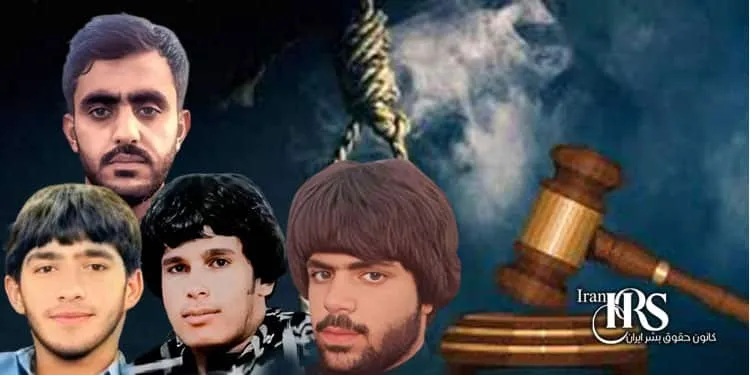
Four Baluch prisoners face execution in Zahedan, Iran, amid unfair trials and torture. Urgent action needed to halt these human rights violations.
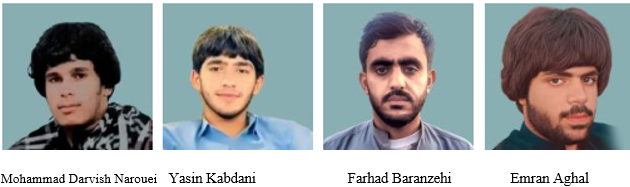
Iran Human Rights Organization, Monday, July 4, 2025 – Four Baluch prisoners in Zahedan, Iran, face imminent execution, exposing a grave human rights crisis. Mohammad Darvish Narouei, Yasin Kabdani, Farhad Baranzehi, and Emran Aghal received death sentences from the Zahedan Revolutionary Court. These verdicts rely on confessions extracted through torture, with trials lacking fairness. Sistan and Baluchistan province endures escalating repression, as the judiciary uses charges like “enmity against God” to silence dissent. This article examines these violations, the surge in executions, and the urgent need for global action.
Unfair Trials Threaten Baluch Prisoners
Mohammad Darvish Narouei and Yasin Kabdani, arrested during the 2022 nationwide protests, received death sentences on June 16, 2025. The court charged them with “moharebeh” (enmity against God) and “corruption on earth.” Their hearing occurred without public notice or proper legal representation. Similarly, Farhad Baranzehi and Emran Aghal, detained in March 2025, face execution for alleged ties to armed groups. No credible evidence or independent witnesses supported the charges. Instead, the court relied on confessions obtained under duress, violating fair trial standards.
Torture and Denied Rights
Yasin Kabdani, aged 20, suffered severe physical and psychological torture after his arrest on January 6, 2023. Security forces detained him while traveling with his father, who was released the next day. Yasin endured prolonged abuse to force confessions, a clear violation of children’s rights. Mohammad Darvish Narouei, 21 at the time of his arrest, faced a rushed trial in January 2024, lacking transparency. Both prisoners were denied access to independent lawyers. Families of Baranzehi and Aghal report similar torture, rendering confessions invalid under international law, including Article 5 of the Universal Declaration of Human Rights.
Escalating Repression in Sistan and Baluchistan
Sistan and Baluchistan province faces intense governmental crackdowns. Security forces target political activists, ethnic minorities, and families of prisoners. Human rights groups note that 30% of Iran’s executions in the first half of 2025 involved Baluch citizens, signaling discriminatory policies. The judiciary uses vague charges like “corruption on earth” to justify death sentences, aiming to create fear and suppress dissent. This approach mirrors past cases, highlighting a pattern of political retribution against the Baluch community.
Systemic Human Rights Violations
The cases of these four Baluch prisoners reveal deep flaws in Iran’s judicial system. Authorities denied the prisoners access to lawyers of their choice. Court hearings occurred without notifying families, and verdicts relied on tortured confessions. These actions violate the right to a fair and public trial. The widespread use of the death penalty in ethnic and political cases points to systematic misuse of punishment. Such practices breach fundamental rights, including the right to life and protection from inhuman treatment.
Key Violations in Baluch Prisoners’ Cases
The judicial process for these prisoners involved multiple human rights violations:
- No Access to Lawyers: Defendants lacked independent legal representation.
- Torture and Coercion: Confessions extracted through physical and psychological abuse violate international law.
- Unfair Trials: Secret hearings without family or media notification lack transparency.
- Right to Life: Death sentences for political charges reflect misuse of capital punishment.
Urgent Call to Halt Executions
The cases of these four Baluch prisoners demand urgent global attention. The judiciary’s reliance on torture and lack of transparency threatens their lives. Activists call for immediate action to halt these executions and address the broader human rights crisis in Sistan and Baluchistan. Increased pressure on Iran’s government could save these prisoners and challenge systemic abuses.
Follow Iran Human Rights Society on social networks:
Telegram /Twitter /Instagram / YouTube / Facebook
Join Iran Human Rights Society on Twitter







Discussion about this post