

Akbar Bagheri, a political prisoner in Qezel Hesar Prison, faces a harsh sentence and denied medical care. Demand his release to stop Iran’s human rights abuses.
Iran Human rights Society, August 14, 2025- On August 14, 2025, Akbar Bagheri, a political prisoner in Qezel Hesar Prison, received a three-year, seven-month sentence. Charged with vague, politically motivated offenses, he endures severe health issues without proper care. His case exposes Iran’s tactic of combining judicial pressure with medical neglect to silence dissent. This article details Bagheri’s ordeal, the violations he faces, and the urgent need for global action to secure his release.
Harsh Sentence Amid Unfair Trial

On May 13, 2025, Branch 26 of the Tehran Revolutionary Court, led by Judge Iman Afshari, sentenced Bagheri for “assembly and collusion to disrupt national security.” The charge, often used against activists, lacks clear evidence. Arrested on November 10, 2024, in Tehran, security forces held him in an IRGC detention center. He faced prolonged interrogations and communication restrictions before his transfer to Qezel Hesar’s Unit 4 in February 2025. Bagheri cannot access a chosen lawyer or regular family contact, violating fair trial rights.
Critical Health Crisis Ignored
Bagheri suffers from hemoglobin blood disorders, liver and intestinal issues, and hemorrhoids, requiring specialized care. Qezel Hesar Prison offers no adequate medical services. Authorities ignore requests to transfer him to a hospital, worsening his condition. This denial violates Article 12 of the International Covenant on Economic, Social and Cultural Rights, which ensures medical care for all prisoners. Human rights experts warn that such neglect is a deliberate tactic to harm political prisoners physically and psychologically.
- Hunger Strike in Lakan Prison: Political Prisoners Demand Justice
- Iran Executions Surge: Five Prisoners Hanged in August 2025
A History of Persecution
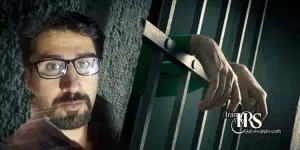
Bagheri’s struggles began with his 2018 arrest during a protest outside Iran’s parliament. Sentenced to nine years by Judge Abolghasem Salavati, he endured transfers between Evin, Greater Tehran, and Gohardasht Prisons. In September 2019, hired inmates attacked him during a transfer. Granted medical leave in July 2022, he returned to prison before completing treatment. After a fire at Evin in October 2022, authorities moved him to Rajai Shahr Prison. Released on May 8, 2023, he faced re-arrest within six months, showing relentless state pressure.
Systematic Human Rights Violations
Bagheri’s case reflects multiple abuses:
- Unfair Trials: Vague charges and lack of legal representation violate Article 14 of the International Covenant on Civil and Political Rights.
- Medical Neglect: Denial of treatment breaches Article 12 of the International Covenant on Economic, Social and Cultural Rights and the Nelson Mandela Rules.
- Cruel Treatment: Deliberate neglect constitutes torture under Article 7 of the International Covenant on Civil and Political Rights.
These violations highlight Iran’s strategy to weaken political prisoners through judicial and physical means.
Pattern of Repression in Iran’s Prisons
The denial of medical care is a common tactic against political prisoners. Recent cases, like the beating of Mehdi Ali Ghourchi in Arak Prison on August 13, 2025, show a broader pattern of abuse. Authorities use harsh conditions, violence, and neglect to break prisoners’ spirits. This systematic approach aims to silence dissent, yet it reveals the regime’s fear of opposition. Bagheri’s resilience underscores the strength of political prisoners despite such oppression.
Follow Iran Human Rights Society on social networks:
Telegram /Twitter /Instagram / YouTube / Facebook
Join Iran Human Rights Society on Twitter





Discussion about this post