
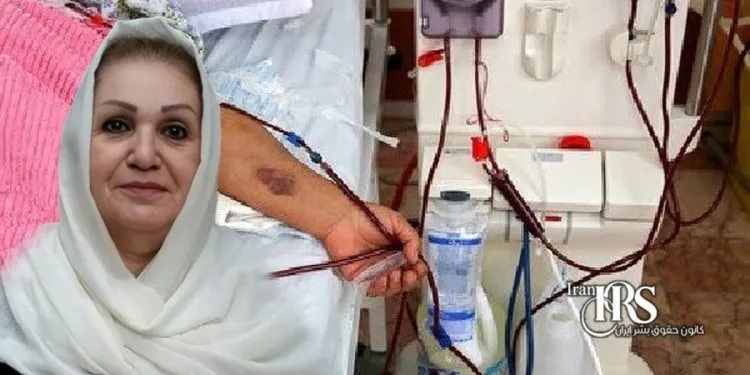
Raheleh Rahemipour, 74, faces life-threatening conditions in Qarchak Prison. Denied medical care and shackled, her case demands urgent action to stop Iran’s abuses.
Iran Human rights Society, August 14, 2025- Raheleh Rahemipour, a 74-year-old political prisoner, battles a brain tumor and heart disease in Qarchak Prison. On August 13, 2024, authorities transferred her to an ICU, but only after delaying care with humiliating handcuffs and shackles. Her case exposes Iran’s deliberate neglect of political prisoners. This article details her ordeal, the violations she faces, and the urgent need for global intervention to save her life.
Critical Condition Ignored
On August 13, 2024, Raheleh Rahemipour collapsed in Qarchak Prison, prompting an urgent transfer to Varamin Hospital. Doctors, suspecting internal bleeding, sent her to Pakdasht Hospital’s ICU. Her frequent fainting spells, caused by a growing brain tumor, intensified recently. Yet, prison authorities delayed her treatment, insisting on handcuffs and shackles. This inhumane condition endangered her life, violating international medical standards. Her family, denied contact, fears for her life.
Raheleh’s Severe Medical Conditions
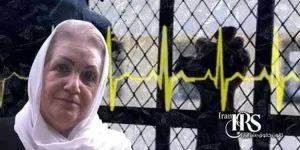
Raheleh suffers from a brain tumor, heart disease, high blood pressure, thalassemia minor, diabetes, cataracts, and joint pain. An August 2024 MRI revealed her primary tumor’s growth and a new 4-mm tumor, causing skull swelling and neurological issues. She has undergone three angioplasties for her heart condition. The Legal Medical Authority deemed her unfit for prison, urging specialized care. However, authorities continue to detain her in Qarchak’s harsh conditions, exacerbating her illnesses.
Qarchak Prison: A Humanitarian Disaster
Qarchak Prison, a former poultry farm, is infamous for its inhumane conditions. Overcrowding, poor sanitation, contaminated water, and inadequate food threaten inmates’ health. Raheleh’s neurological symptoms and fainting spells impair her ability to walk and speak, yet authorities refuse prompt hospital transfers, often requiring shackles. These conditions violate the Nelson Mandela Rules, which mandate adequate healthcare for prisoners. Even healthy inmates risk illness in Qarchak, making it particularly dangerous for someone with Raheleh’s severe medical needs.
- Executions in Iran: A Growing Concern for Human Rights
- Structural Corruption in Ghezel Hesar Prison: A Drug Trade Empire
Systemic Cruelty Against Political Prisoners
Raheleh’s case reflects Iran’s systematic targeting of political prisoners. Arrested in November 2023 for seeking justice for her executed brother and missing newborn, she received a six-year sentence, later reduced to four years and two months. Her activism led to her transfer from Evin to Qarchak Prison after a June 2025 bombing. Authorities’ refusal to provide medical care, coupled with degrading restraints, mirrors cases like Mehdi Ali Ghourchi’s beating in Arak Prison. This pattern suggests a deliberate policy to break dissenters through physical and psychological pressure.
Human Rights Violations in Raheleh’s Case
Raheleh’s treatment violates multiple international laws:
- Article 6 of the ICCPR: Her life-threatening detention threatens her right to life.
- Article 7 of the ICCPR: Shackling a critically ill prisoner constitutes cruel treatment.
- Nelson Mandela Rules: Denying adequate healthcare breaches global prison standards.
These violations highlight Iran’s disregard for its international obligations, particularly against political prisoners who challenge the regime.
Global Outcry and Calls for Action
Human rights organizations, including Amnesty International and Human Rights Watch, demand Raheleh’s immediate release. They condemn the use of handcuffs and shackles on a gravely ill prisoner as torture. Her family’s pleas for medical furlough face rejection, despite medical evidence of her critical condition. Activists urge the international community to pressure Iran for transparency and accountability. Public awareness and sanctions on responsible officials are critical to stopping these abuses.
Raheleh’s Resilience Amid Injustice
Raheleh, a symbol of resistance, has fought for decades to uncover the truth about her brother’s 1983 execution and her newborn’s disappearance in Evin Prison. Despite her frail health, she persists in Qarchak’s brutal conditions. Her case tests the global community’s ability to confront Iran’s human rights violations. Silence risks further tragedies, but collective action can save her life and others like her.
Conclusion: Act Now to Save Raheleh
Raheleh Rahemipour’s life hangs in the balance due to Iran’s deliberate medical neglect and inhumane treatment. The judicial and security authorities bear direct responsibility for her suffering. The international community must amplify her family’s calls for release and demand accountability. By exposing Qarchak’s cruelty, we can pressure Iran to uphold human rights. Act now to protect Raheleh and end the cycle of abuse against political prisoners.
Follow Iran Human Rights Society on social networks:
Telegram /Twitter /Instagram / YouTube / Facebook
Join Iran Human Rights Society on Twitter




Discussion about this post