

Shahab Sarkhoshpour and four others face execution in Lakan Prison, Rasht, on “baghi” charges.
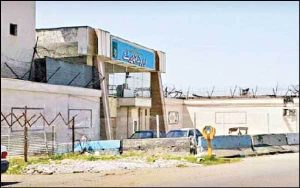
Iran Human Rights Society, Friday, August 22, 2025 – Shahab Sarkhoshpour, alongside Mohammad Hossein Heidari, Hossein Asemani-Nejad, Ebrahim Nazari, and Masoud Molkpour, confronts grave risks of execution or prolonged imprisonment in Lakan Prison, Rasht, under the charge of “baghi” (rebellion). These political prisoners endure inhumane conditions and judicial uncertainty, highlighting systemic human rights violations in Iran. This article explores their plight, the prison’s conditions, and the urgent need for international action.
Arrest and Detention of Shahab Sarkhoshpour
Authorities arrested Shahab Sarkhoshpour, a 46-year-old food distribution worker, outside his Rasht home in July 2025. Security forces confiscated his electronic devices and subjected him to intense pressure. Initially detained in Lakan Prison’s Detention Center No. 2, he moved to the “Mithaq” ward in mid-August. Married with a 15-year-old daughter, his arrest has caused significant emotional distress for his family. The vague “baghi” charge lacks transparent judicial backing, denying him access to an independent lawyer or fair trial.
Co-Defendants Under Similar Charges
Four other prisoners—Mohammad Hossein Heidari, Hossein Asemani-Nejad, Ebrahim Nazari, and Masoud Molkpour—face identical “baghi” charges in Lakan Prison. Like Sarkhoshpour, they endure ambiguous legal proceedings and intense pressure. None have access to fair trials or independent legal counsel, leaving them in judicial limbo. This lack of due process raises serious concerns about arbitrary detention and unfair treatment.
Harsh Conditions in Lakan Prison
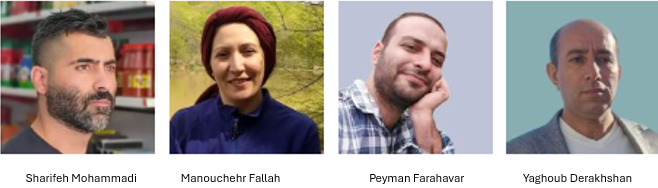
Lakan Prison in Rasht houses over 26 political prisoners, including Sharifeh Mohammadi, Manouchehr Fallah, Peyman Farahavar, and Yaghoub Derakhshan, who also face execution. The facility suffers from overcrowding, limited access to fresh air, and inadequate medical and sanitary facilities. Prisoners experience restricted family contact and no in-person visitation rights. These conditions, particularly for those with medical needs, violate basic human rights standards and exacerbate their suffering.
Judicial Limbo and Arbitrary Detention
The cases of Sarkhoshpour and his co-defendants remain unresolved, with no bail or formal processing. This judicial uncertainty exemplifies arbitrary detention, violating Article 9 of the International Covenant on Civil and Political Rights (ICCPR), which prohibits such practices. Families repeatedly visit courts and judicial bodies, yet authorities provide no accountability or progress, leaving them in distress.
Human Rights Violations in Focus
The situation in Lakan Prison reflects broader human rights violations in Iran. Key issues include:
- Arbitrary Arrests: The detention of Sarkhoshpour and others without transparent charges contravenes ICCPR Article 9.
- Inhumane Treatment: Poor prison conditions, including lack of medical care and fresh air, violate ICCPR Article 10, which mandates humane treatment.
- Denial of Fair Trials: None of the prisoners have access to independent lawyers or transparent judicial processes, breaching ICCPR Article 14.
- Possible Torture: Psychological pressures and inhumane conditions may constitute “white torture,” violating the Convention Against Torture.
These violations underscore a repressive system targeting political dissent and individual freedoms.
Social and Familial Consequences
Sarkhoshpour’s arrest has deeply affected his family. His 15-year-old daughter suffers significant psychological harm, while the family faces financial strain from legal and daily expenses. These impacts extend beyond the prisoners, victimizing families and highlighting the broader societal toll of Iran’s repressive policies.
Urgent Calls for Action
Human rights organizations demand immediate action to address the crisis in Lakan Prison. Their key demands include:
- Fair Trials or Release: Authorities must provide transparent trials with independent lawyers or release the prisoners.
- Medical Care Access: Ill prisoners need transfer to equipped medical facilities for proper treatment.
- Family Contact Rights: Regular family contact and visitation rights must be guaranteed.
- International Oversight: Global bodies should monitor Lakan Prison’s conditions, particularly its political ward.
These demands aim to uphold international human rights standards and protect vulnerable prisoners.
Broader Context of Repression in Iran
The cases of Sarkhoshpour and his co-defendants reflect a pattern of systemic human rights abuses in Iran. The “baghi” charge, often vaguely defined, targets political activists to suppress dissent. Reports indicate at least 110 executions in April 2025 alone, with political prisoners like Sharifeh Mohammadi facing similar fates. The international community must act swiftly to address these injustices and prevent further loss of life.
See also the below articles:
- Inhumane Conditions in Ward 7 of Evin Prison: Widespread Violations of Prisoners’ Rights
- Harsh Disciplinary Rulings Target Sanandaj Teachers’ Trade Association
Follow Iran Human Rights Society on social networks:
Telegram /Twitter /Instagram / YouTube / Facebook
Join Iran Human Rights Society on Twitter




Discussion about this post