
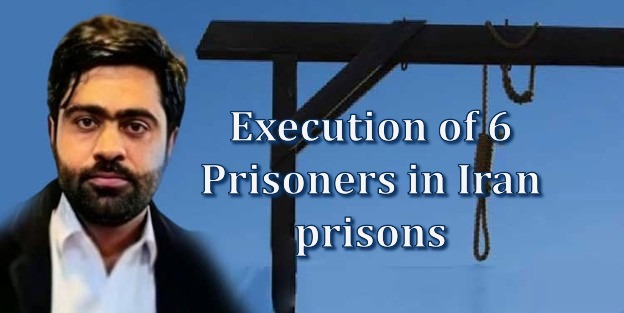
Iran executions hit 172 in July-August 2025. Six prisoners, including a woman, died in multiple prisons.
Iran Human Rights Society, Tuesday, August 26, 2025-Iran executions surged to 172 in July-August 2025. Authorities execute over five people daily. This alarming trend sparks outrage. The death penalty in Iran violates human rights. Six prisoners, including one woman, died recently. Executions occurred in Birjand, Nahavand, Tabriz, Mashhad, and Kerman. These cases expose systemic flaws. Iran’s judicial system often lacks transparency. Many prisoners face unfair trials. This article examines these executions and their global impact.
Executions in Iran Reach Alarming Levels

On August 26, 2025, Iran executed six prisoners. Birjand, Nahavand, Tabriz, Mashhad, and Kerman prisons reported deaths. The Iran Human Rights Society confirmed this. In July-August, 172 executions occurred. This averages over five daily. Moreover, one prisoner died every five hours. By September, five more executions happened. These statistics alarm activists. Iran executions often target vulnerable groups. Consequently, global criticism intensifies.
Assef Rakhshani’s Death in Birjand Prison
Authorities executed Assef Rakhshani on August 26, 2025. Birjand Prison carried out his sentence. Rakhshani, 28, had eight children. He faced narcotics charges since 2023. Officials denied his family a final visit. They also withheld notification. This secrecy raises concerns. Human rights groups criticize these practices. Iran executions often bypass due process. Rakhshani’s case fuels fairness debates.
Ehsan Khani Executed in Nahavand Prison
Ehsan Khani died on August 26, 2025, in Nahavand Prison. Authorities arrested him five years ago. He faced murder charges. The court issued a death sentence. His execution highlights Iran’s rapid pace. Human rights violations persist. Khani’s trial lacked transparency. Therefore, advocates question its fairness. The death penalty in Iran ignores global standards.
Maliheh Haghi’s Execution in Tabriz Prison
Maliheh Haghi, 34, died on August 26, 2025. Tabriz Prison executed her. Authorities arrested her six years earlier. She faced murder charges. Her case spotlights women in Iran executions. Gender disparities worry activists. Haghi’s trial lacked fairness. Consequently, human rights groups condemn it. Her death fuels calls for reform.
Javad Sohaili and Nader Sepahdar Die in Mashhad
On August 17, 2025, Vakilabad Prison executed two men. Javad Sohaili and Nader Sepahdar faced narcotics charges. Authorities sentenced them to death. Mashhad frequently handles executions. Iran’s drug policies draw criticism. International law opposes death penalties for non-violent crimes. Their deaths highlight systemic issues.
Safarali Keifari’s Execution in Kerman Prison
Safarali Keifari died on August 20, 2025, in Kerman Prison. He faced narcotics charges. Authorities arrested him in Kangavar. His trial was swift. Iran executions for drug offenses violate global norms. Keifari’s case lacks transparency. Human rights groups demand accountability. His death adds to the 2025 toll.
Death Penalty in Iran Violates Human Rights
The Universal Declaration of Human Rights protects life. Article 3 ensures this right. Iran executions defy this principle. The death penalty strips individuals of life. Judicial errors make executions irreversible. Some methods involve torture. These violate human rights standards. Iran, a signatory to the International Covenant on Civil and Political Rights, must ensure fair trials. However, many trials lack transparency. Courts often deny legal rights. Thus, executions breach global obligations.
Conflict of the Death Penalty with the Universal Declaration of Human Rights
Article 3 of the Universal Declaration of Human Rights explicitly states: “Everyone has the right to life.” This right is not subject to any deprivation except by a verdict issued by a competent court for a crime recognized as such by law.
The death penalty, as the ultimate punishment, directly contradicts this article of the Universal Declaration of Human Rights because:
- Right to Life: The right to life is recognized as a fundamental and inalienable right. The death penalty deprives individuals of this right.
- Irreversibility: In the event of a judicial error, the execution of the death penalty cannot be reversed.
- Torture and Inhuman Treatment: Some methods of execution are considered torture or inhuman treatment, which violates the provisions of the Universal Declaration of Human Rights.
Violation of Human Rights Obligations Regarding the Death Penalty
According to Article 6 of the International Covenant on Civil and Political Rights, to which Iran is a signatory, the issuance and execution of the death penalty are only permissible when full guarantees for a fair trial are ensured and for the most serious crimes. In many similar cases, the lack of transparency, restrictions on the legal rights of the accused, and the issuance of verdicts in courts lacking necessary independence are considered violations of this fundamental human rights principle.
See also the below articles:
- Political Prisoner Hamzeh Savari: A Life Marked by Injustice and Suffering
- Destruction of Political Prisoners’ Graves in Iran: A Shameful Erasure of History
Follow Iran Human Rights Society on social networks:
Telegram /Twitter /Instagram / YouTube / Facebook
Join Iran Human Rights Society on Twitter







Discussion about this post