
Uncover Vakilabad Prison’s horrors: overcrowding, torture, and inhumane conditions revealed in 3D images. Learn about human rights abuses in Iran’s secretive facility.
Iran Human Rights Society, Saturday, August 9, 2025 – Vakilabad Prison in Mashhad conceals a grim reality. Over 10,000 inmates endure brutal conditions in a facility meant for 2,500. For the first time, 3D images expose its oppressive structure. These visuals reveal torture, poor sanitation, and psychological abuse. Moreover, they empower activists to document violations. This article dives into the prison’s dark history, its inhumane conditions, and the resilience of prisoners. Discover the truth behind Vakilabad Prison and its impact on human rights.
Unveiling Vakilabad Prison Through 3D Reconstructions
Vakilabad Prison in Mashhad operates in secrecy. No clear images of its interior existed until August 9, 2025. On that day, human rights groups released groundbreaking 3D reconstructions. These images, crafted from eyewitness accounts and architectural analysis, expose the prison’s design. Small cells, high walls, and no natural light dominate the layout. Consequently, inmates face relentless suppression.
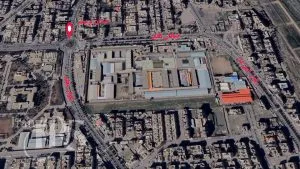
The 3D visuals map key areas like the quarantine ward. They highlight structural violence embedded in the prison’s design. Activists now use these images to strengthen their reports. Journalists and international organizations rely on them too. The visuals make prisoner testimonies more credible. Furthermore, they push for transparency in Iran’s prison system. By exposing Vakilabad Prison, these images fuel global calls for accountability.
Overcrowding: A Crisis in Vakilabad Prison
Vakilabad Prison was designed for 2,500 inmates. Today, it houses over 10,000. Many sleep on cold, hard floors. Overcrowding creates unbearable conditions. Inmates lack personal space. Additionally, the prison offers no green spaces or proper ventilation. Metal sheets cover windows, blocking air and sunlight. As a result, physical and mental health suffers.
The prison’s layout isolates inmates. High, impenetrable walls separate wards. Cells, often smaller than 2.5 by 3 meters, cram multiple prisoners together. This design prioritizes control over dignity. Therefore, Vakilabad Prison functions as a tool of oppression. It strips inmates of basic human rights. The overcrowding crisis underscores the urgent need for reform.
Catastrophic Sanitation and Health Risks
Sanitation in Vakilabad Prison is appalling. Cockroaches, lice, and bedbugs infest every corner. Basic hygiene facilities are nearly nonexistent. Many wards have only one or two showers for hundreds of inmates. Some prisoners wait weeks to bathe. Consequently, skin and fungal diseases spread rapidly, especially among elderly inmates.
Soap, shampoo, and other essentials are sold in the prison store. However, most inmates cannot afford them due to poverty. Garbage collection is irregular, leaving piles of waste. A constant stench fills the air. During hot months, the outdated sewage system fails. Sewage floods wards, creating hazardous conditions. Poor ventilation worsens the situation. Metal-covered windows trap foul air inside. These conditions threaten lives and act as a form of torture.
Systematic Torture in Vakilabad Prison
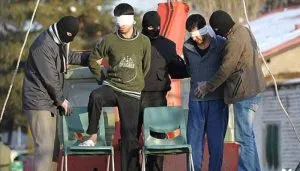
Torture in Vakilabad Prison takes many forms. Guards conduct nightly interrogations. They use threats and harassment to break inmates. Some prisoners face abuse from others, with guards’ silent approval. Access to books or education is denied. Sunni prisoners endure especially cruel treatment. In some areas, sewage from upper floors drips onto them.
Interrogators demand forced confessions. They threaten prisoners’ families with violence or assault. In spring 2025, authorities executed four Sunni prisoners based on such confessions. These tactics aim to crush resistance. However, they also reveal the prison’s systemic cruelty. Torture is not an exception—it’s a deliberate strategy to dehumanize inmates.
Solitary Confinement: A Tool for Psychological Destruction
Solitary cells in Vakilabad Prison are tiny, measuring 2.5 by 3 meters. A small bathroom occupies part of the space. Triple-layered steel doors seal inmates inside. Two hatches—one at face level, one at foot level—control food and waste. These cells isolate prisoners completely. No light or outside contact reaches them.
Hygiene items like towels and toothbrushes are rarely replaced. Blankets remain filthy and foul-smelling. Guards use alarms, bright lights, and sleep deprivation to torment inmates. Some prisoners go weeks without family visits or outdoor time. As a result, many develop anxiety, depression, or hallucinations. Suicide attempts have occurred. Guards often place inmates in solitary for minor acts, like writing protest letters. Sunni prisoners face prolonged confinement as punishment.
Some cells have CCTV cameras. These do not protect inmates. Instead, they monitor behavior and record reactions under pressure. Authorities use these recordings to intimidate families or extract confessions. Solitary confinement in Vakilabad Prison destroys the human psyche. It strips away identity and hope.
Key Sections of Vakilabad Prison
Vakilabad Prison has several distinct wards, each with unique conditions:
- Gate 4 (Quarantine): New inmates enter here. The juvenile ward and a gym for futsal are nearby.
- Ward 1: Temporary holding after quarantine for all inmates.
- Wards 2 and 4: Designated for financial offenders and fraud cases.
- Ward 3 (Counseling Unit): Used to pressure inmates into coerced confessions.
- Ward 5: Houses death-row inmates for drug crimes or murder. It also holds juveniles accused of theft or assault.
- Ward 6: A forced labor workshop where inmates work for minimal pay.
Each ward enforces strict control. Isolation prevents communication. This setup ensures inmates remain powerless and disconnected.
Ward 5: The Heart of Darkness
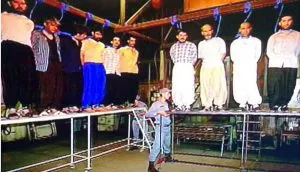
Ward 5, built in the 1980s, targets political prisoners. Its design isolates and punishes. The quarantine section includes four halls and two rows of solitary cells. In the 1980s, inmates endured years without contact or sunlight. During the 1988 massacre, few survived Ward 2. Most were buried in unmarked mass graves. Only one person survived the quarantine section.
Today, Ward 5 remains a nightmare. Each cell holds twelve prisoners. Breathing is difficult; surviving is harder. The ward’s history marks it as a tool for erasing dissent. Its conditions continue to crush spirits. Ward 5 stands as a symbol of Iran’s brutal suppression.
Historical Context: Vakilabad Prison’s Origins
Vakilabad Prison emerged after Iran’s 1979 revolution. The new regime built it to suppress political dissidents. In the 1980s, it became a center for mass executions. Thousands of political prisoners died, especially during the 1988 massacre. The prison’s design reflects its purpose: control and elimination. High walls and small cells ensure isolation. This history shapes its current role as a tool of oppression.
The prison’s secrecy adds to its terror. Authorities block outside access. No official images or tours exist. Consequently, the 3D reconstructions are vital. They break through the veil of silence, exposing the truth.
International Sanctions and Global Attention
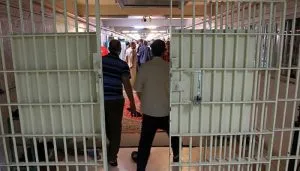
In October 2020, the U.S. Treasury Department sanctioned Vakilabad Prison. Reports of torture, arbitrary detentions, and inhumane treatment prompted this action. International human rights groups continue to monitor the facility. They demand accountability. The 3D images strengthen these efforts. They provide visual evidence for global forums.
Organizations like Amnesty International cite Vakilabad Prison in reports. They urge Iran to uphold international human rights standards. However, authorities resist change. Global pressure remains critical to push for reform and justice.
Voices of Women in Vakilabad Prison
The women’s ward, once near Ward 1, held female prisoners under horrific conditions. At night, screams from tortured women echoed through the prison. These sounds tormented all inmates, adding psychological pain. Despite this, many women resisted. Their defiance inspired others. Today, the women’s ward remains a symbol of courage amid suffering.
Former prisoners share stories of resilience. They refused to break under pressure. These accounts highlight the strength of women in Vakilabad Prison. Their voices demand to be heard.
Amputation Sentences: A Brutal Reality
Near Ward 1, authorities carried out amputation sentences. The screams of prisoners echoed through the prison. Images of severed hands haunted inmates. These punishments, often for theft, aimed to instill fear. They also violated international human rights laws. Such practices continue to mark Vakilabad Prison as a place of extreme cruelty.
Resilience Amid Despair
Despite the horrors, some prisoners resist. They endure torture and isolation without breaking. Their stories of defiance shine through the darkness. For example, political prisoners in Ward 5 maintain their resolve. They smuggle letters or share accounts with activists. These acts of courage inspire hope. They show that the human spirit can endure even the worst conditions.
The Role of 3D Reconstructions in Advocacy
The 3D images of Vakilabad Prison are more than visuals. They are tools for change. Activists use them to document abuses. Journalists share them to raise awareness. International organizations present them in legal cases. These reconstructions make the invisible visible. They give a voice to silenced prisoners. Moreover, they pressure Iran to address violations.
The images also educate the public. They show the reality of Iran’s prison system. By spreading awareness, they build support for reform. This makes them a powerful weapon against oppression.
Why Vakilabad Prison’s Story Must Be Told
Vakilabad Prison represents Iran’s hidden abuses. Its overcrowded wards, torture, and neglect demand global attention. The 3D images break the silence. They urge action from governments and organizations. Sharing these stories honors prisoners’ resilience. It also prevents the erasure of their suffering.
The prison’s history is a warning. Without change, atrocities will continue. By documenting Vakilabad Prison, we preserve truth. We also sow seeds for a future free of such horrors. The silenced cries of inmates must echo in our collective memory.
Vakilabad Prison’s horrors cannot be ignored. Activists, journalists, and readers must amplify these stories. Share the 3D images. Support human rights campaigns. Pressure governments to act. Together, we can demand justice for Vakilabad’s prisoners. Their fight for dignity deserves our voice. (Word count: 1952)
See also the below articles:
- Mokhtar Alboshokeh Political Prisoner’s Background and Imprisonment
- Destruction of Political Prisoners’ Graves in Iran: A Shameful Erasure of History
Follow Iran Human Rights Society on social networks:
Telegram /Twitter /Instagram / YouTube / Facebook
Join Iran Human Rights Society on Twitter








Discussion about this post