
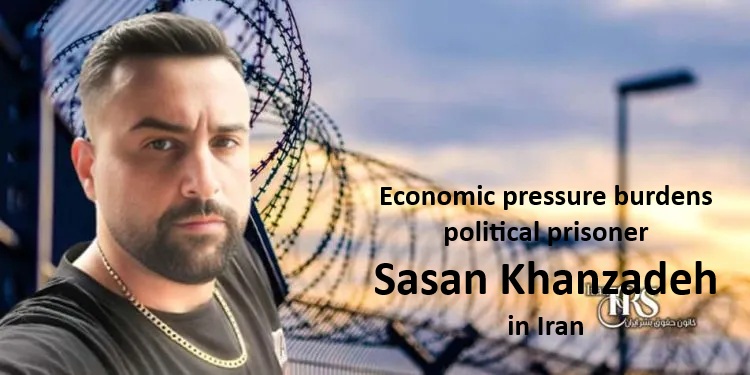
Economic pressure burdens political prisoner Sasan Khanzadeh in Iran. Ankle monitor fees and parole delays highlight systematic rights violations.
Iran Human Rights Society, Wednesday, September 10, 2025 – Economic pressure on political prisoners intensifies in Iran. Sasan Khanzadeh faces this harsh reality. Authorities arrested him during the 2022 nationwide uprising in Gilan. Now, he endures uncertainty despite serving much of his three-year-and-one-day sentence. An electronic ankle monitor confines him to a 1,000-meter radius. Moreover, he must pay 900,000 tomans monthly for it. This fee lacks judicial basis and strains his finances. The judiciary also delays his parole review. Therefore, these tactics show deliberate economic pressure on political prisoners like Khanzadeh.
Electronic Ankle Monitor: A Tool of Surveillance and Extortion
Khanzadeh spent months in Lakan Prison in Rasht. However, he now serves his sentence outside under strict surveillance. The ankle monitor limits his movement sharply. It restricts him to just 1,000 meters. This setup curtails his freedom deeply. Furthermore, the device turns into financial extortion. Human rights activists call the 900,000-toman monthly fee “state extortion.” Prisoners pay for their own restrictions. Yet, no law justifies this cost. Consequently, it adds undue burden on families already struggling.
Parole Delays Create Deliberate Uncertainty

Iranian laws allow parole after one-third of a sentence. Khanzadeh qualified on June 11, 2025. He submitted his request immediately. But three months passed without response. The judiciary ignores his plea. They even deny him a meeting with the judge. This delay seems intentional. It undermines legal rights for political prisoners. Therefore, parole becomes a tool of humiliation. Instead of reintegration, it prolongs pressure and anxiety.
Threats Extend Pressure to Family and Bail Providers
Khanzadeh’s case affects more than him. Bail providers face serious threats too. Families who offer bail deserve legal protection. However, authorities warn of forfeiture if they push for release. This tactic spreads fear. It hits Khanzadeh’s supporters hard. As a result, psychological strain grows. Financial risks mount as well. Thus, the pressure ripples outward, weakening community ties.
Khanzadeh as Family Breadwinner Faces Double Punishment
Khanzadeh supports his elderly parents. He acts as their main provider. Yet, the ankle monitor hampers his work. The 1,000-meter limit blocks free movement. He struggles to find jobs nearby. This makes covering expenses tough. Experts label it double punishment. It cuts his income directly. Meanwhile, his family suffers economic strain. Therefore, basic needs become harder to meet.
Systematic Economic Pressure in Iran’s Judiciary
Khanzadeh’s story fits a larger pattern. Iran’s judiciary imposes heavy financial loads on political prisoners. Ankle monitor fees lead the way. Exorbitant bail demands follow closely. Furlough payments add more costs. None have clear legal grounds. Human rights groups decry this as re-punishment. It targets prisoners and families alike. Consequently, it creates ongoing hardship without transparency.
Key Human Rights Violations in Khanzadeh’s Case
Khanzadeh’s ordeal exposes major rights breaches. International standards highlight these issues clearly.
First, Article 9 of the Universal Declaration of Human Rights protects against arbitrary detention. His 2022 arrest and flawed trial violate this. Authorities detained him without solid basis.
Second, Article 10 ensures a fair trial. The judge’s refusal to review parole or meet him breaks this rule. It denies impartial justice.
Third, Article 13 of the International Covenant on Civil and Political Rights guarantees movement freedom. The ankle monitor’s 1,000-meter cap lacks justification. Thus, it restricts him severely.
Fourth, Article 23 of the Universal Declaration upholds the right to work. Conditions block Khanzadeh from earning freely. This hits his livelihood hard.
Finally, Article 25 promises an adequate standard of living. The 900,000-toman fee worsens Iran’s economic crisis for his family. It plunges them into hardship.
Sasan Khanzadeh Symbolizes Broader Struggles
Sasan Khanzadeh embodies the fight against economic pressure on political prisoners. He serves his time yet faces extra costs and limits. The legal system fails him repeatedly. It ignores his rights outright. This reveals Iran’s policy clearly. Officials do not just jail opponents. They trap them in economic and mental cycles. Families endure the fallout too. Therefore, cases like his demand global attention. They urge action for justice and relief.
See also the below articles:
- Mohammad Benazadeh Amirkhizi, Sudden Arrest Without Warrant
- Return of Political Prisoner Matleb Ahmadian to Evin Prison Despite Incomplete Medical Treatment
Follow Iran Human Rights Society on social networks:
Telegram /Twitter /Instagram / YouTube / Facebook
Join Iran Human Rights Society on Twitter




Discussion about this post