The ongoing denial of phone access to several female political prisoners, the worsening health of sick inmates, the elimination of raw food rations, poor food quality, and the imposition of new daily restrictions in the women’s ward of Evin Prison have heightened concerns regarding the rights of female political prisoners.
Iran Human Rights Society, Monday, July 13, 2026 – Recent reports from the women’s ward of Evin Prison indicate a tightening of restrictions and a severe decline in the detention conditions of female political prisoners. According to received information, four female political prisoners remain barred from calling their families, the health of several sick inmates continues to deteriorate, the quality of food and medical services has dropped significantly, and—following a recent change in prison leadership—new restrictions have been placed on the inmates’ daily routines.
Information Box | Current Status of the Women’s Ward in Evin Prison
| Title | Information |
| Location | Women’s Ward, Evin Prison |
| Ongoing Phone Deprivation | Shiva Esmaeili, Marzieh Farsi, Forough Taghipour, and Zahra Safaei |
| Critically Ill Inmates | Shiva Esmaeili, Elaheh Fouladi, and an unnamed Christian convert |
| Primary Grievances | Denial of communication, medical neglect, low-quality food, elimination of raw rations, overpriced commissary |
| Commissary Status | Highly inflated prices paired with substandard item quality |
| Food Status | Revocation of raw rations; cooked prison meals are practically inedible |
| Health Consequences | Spreading gastrointestinal ailments among the female inmates |
| New Warden | Mohammad Haji Mazdarani (appointed December 2025) |
| Former Warden | Hedayatollah Farzadi |
| Key Directives | Escalated restrictions implemented under the authority of security official Hossein Yousefi |
Ongoing Phone Deprivation in Evin Prison’s Women’s Ward
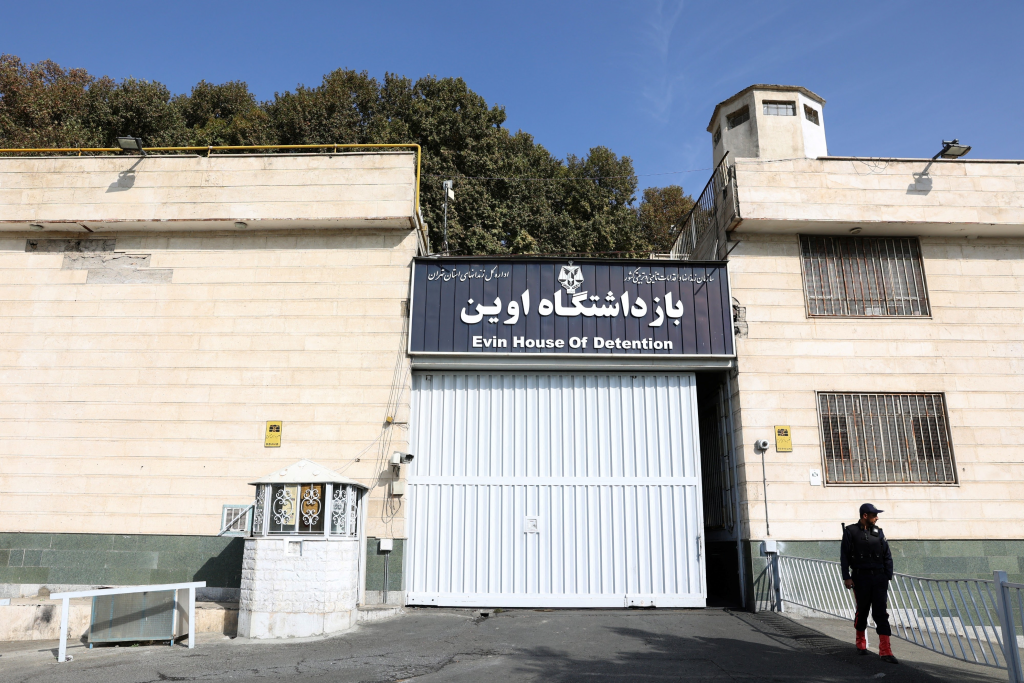
Reports indicate that the women’s ward of Evin Prison continues to enforce broad restrictions on inmates’ contact with their families. Shiva Esmaeili, Marzieh Farsi, Forough Taghipour, and Zahra Safaei remain completely blocked from making phone calls.
For many inmates, these calls represent the sole link to their families and their only way to stay informed about their loved ones. Families of these four political prisoners state that this communication cutoff has inflicted immense psychological distress, raising serious anxiety over their physical and mental well-being. Human rights activists emphasize that stripping prisoners of family contact—especially over extended periods—is frequently weaponized as a punitive tool to break the morale of political detainees.
Critical Medical Neglect
Simultaneously, medical conditions for several inmates in the women’s ward have grown increasingly critical:
- Shiva Esmaeili: Still suffers from debilitating back pain. Despite urgent requirements for specialized care outside the facility, prison authorities have consistently blocked her treatment, causing her health to decline rapidly.
- Elaheh Fouladi: Struggles with severe pelvic and lumbar issues that require immediate specialized orthopedic evaluation, yet she has been denied access to effective medical care.
- Christian Convert (Unnamed): Roughly one month ago, she sustained a hairline fracture in her leg. Despite the painful physical trauma and difficulty moving, prison authorities have repeatedly refused to transfer her to an external hospital for essential diagnostic imaging and treatment.
Activists warn that delaying treatment for prisoners—especially those suffering from skeletal trauma, movement impairments, or chronic illnesses—will result in irreversible physical damage and long-term disability.
Severe Nutritional Crisis in the Women’s Ward
The quality of nourishment in the women’s ward has dropped to an unprecedented low. Inmates report that the cooked food provided by the prison kitchen is of such poor quality that most of it is entirely inedible. Consuming these meals has repeatedly triggered severe gastrointestinal illnesses among the prisoners.
Previously, prison administrators distributed a basic monthly allowance of raw ingredients, enabling inmates to prepare their own meals. However, under the new administration, these raw food rations have been completely eliminated.
Left with no alternative, many female political prisoners have resorted to eating nothing but plain yogurt and bread to avoid severe stomach infections, finding the daily cooked prison rations completely unfit for human consumption.
Exploitative Commissary Practices
To survive the food crisis, prisoners are forced to purchase basic essentials from the ward’s commissary. However, the store sells lower-grade products at prices vastly higher than standard market rates. This forced reliance on an overpriced, poor-quality commissary has placed an extreme financial burden on the inmates and their families, many of whom must struggle to transfer money into the prison system just to ensure their loved ones can eat.
Changing Administration and Worsening Daily Restrictions

The surge in daily hardships coincides with a transition in Evin Prison’s leadership. In December 2025, Mohammad Haji Mazdarani was appointed as the new warden of Evin Prison, replacing Hedayatollah Farzadi. Mazdarani previously managed the Greater Tehran Penitentiary and the Fashafuye Rehabilitation Camp.
Following his appointment, and under the direct security influence of official Hossein Yousefi, a wave of new, highly bureaucratic regulations has been imposed on the women’s ward. Daily routines and tasks that were previously managed with relative ease now require extensive administrative approvals and paperwork, turning basic daily life into a source of constant administrative friction and psychological exhaustion for the inmates.
Concerns Over Escalating Problems in the Women’s Ward of Evin Prison
Human rights activists believe that the collection of published reports regarding the women’s ward of Evin Prison demonstrates that the problems in this ward are not limited to a single issue; rather, a combination of communication, medical, nutritional, and administrative restrictions are simultaneously affecting the lives of the prisoners.
The ongoing deprivation of telephone calls, the lack of medical attention for sick prisoners, the low quality of food, the elimination of raw rations, the high prices of the commissary, and the imposition of new restrictions have together created conditions that, according to informed sources, have confronted the daily lives of female prisoners with immense difficulties.
Legal Review of the Situation Based on Domestic Laws
Introduction
While the laws and judicial practices of the ruling state are globally condemned for failing to respect fundamental human rights, prison administrators remain bound even under domestic codes to respect the dignity of inmates and provide essential health, communication, and dietary services.
Legal Ambiguities
The long-term restriction of telephone calls, deliberate delays in treating severely injured and sick prisoners, the sudden revocation of raw food rations, the distribution of unsafe food, and the imposition of arbitrary administrative rules represent clear violations of domestic correctional standards.
Related Legal Articles
- Article 22 of the Constitution: Safeguarding the life, property, rights, and dignity of individuals.
- Article 29 of the Constitution: Declaring the right to health and medical services as a public right.
- Article 39 of the Constitution: Strictly forbidding any form of insult, degradation, or harassment of detainees.
- Executive Regulations of the Prisons Organization: Mandates that prison authorities must provide adequate and hygienic food, swift medical attention, fairly priced commissary options, and regular communication channels with family members.
Violations of Law
- Prolonged deprivation of communication rights as an extrajudicial punishment.
- Refusing to transfer injured and sick prisoners to specialized clinics.
- Withholding raw rations while failing to provide hygienic cooked meals.
- Permitting price-gouging and exploitative pricing in the prison commissary.
- Imposing administrative blockades on daily inmate routines without statutory justification.
Human Rights Violations in the Women’s Ward of Evin Prison
The combined denial of communication, refusal of medical aid, and withholding of adequate nutrition in Evin’s women’s ward constitute a clear violation of basic international humanitarian standards. Depriving incarcerated individuals of nourishment and medical care as a form of silent coercion or disciplinary retaliation directly violates international covenants signed by the state.
Violated Articles
- Article 5 of the Universal Declaration of Human Rights: Absolute prohibition of cruel, inhuman, or degrading treatment or punishment.
- Article 10 of the International Covenant on Civil and Political Rights: Mandating that all persons deprived of their liberty must be treated with humanity and respect for their inherent dignity.
- Article 12 of the International Covenant on Economic, Social, and Cultural Rights: The right to the highest attainable standard of physical and mental health.
- The Nelson Mandela Rules: Explicitly guarantees prisoners the right to adequate nutrition, clean water, immediate medical treatment, and regular communication with their families.
- The United Nations Bangkok Rules: Specifically mandates that female prisoners must be provided with gender-sensitive healthcare, proper nutrition, and living conditions that respect their specific physiological needs.
A Concerning Picture of the Situation in the Women’s Ward of Evin Prison
Recent reports from the women’s ward of Evin Prison indicate the continuation and escalation of problems that have a direct impact on the daily lives of female prisoners.
The ongoing deprivation of phone calls, inadequate medical care for sick inmates, poor food quality, the elimination of raw rations, highly inflated prices of commissary goods, and the imposition of new restrictions following the change in prison management paint a deeply concerning picture of the situation in Evin Prison’s women’s ward.
Human rights activists are calling for:
- Immediate attention to these compounding issues.
- The full safeguarding of the prisoners’ legal rights.
- The facilitation of independent monitoring to assess and address the conditions of this ward.
See also the below articles:
- Habib Adabi: Arrest, Torture, and Ongoing Prosecution in Gonabad
- Fashafuye Prison: More Than 500 Open-Prison Inmates Stranded in Extreme Heat
Follow Iran Human Rights Society on social networks:
Telegram /Twitter /Instagram / YouTube / Facebook
Join Iran Human Rights Society on Twitter