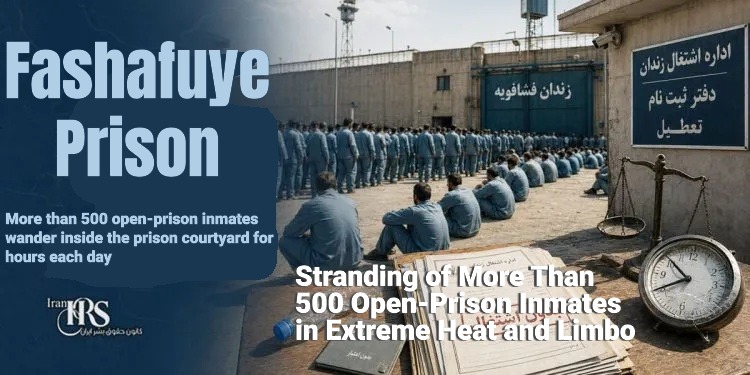
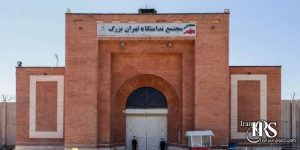
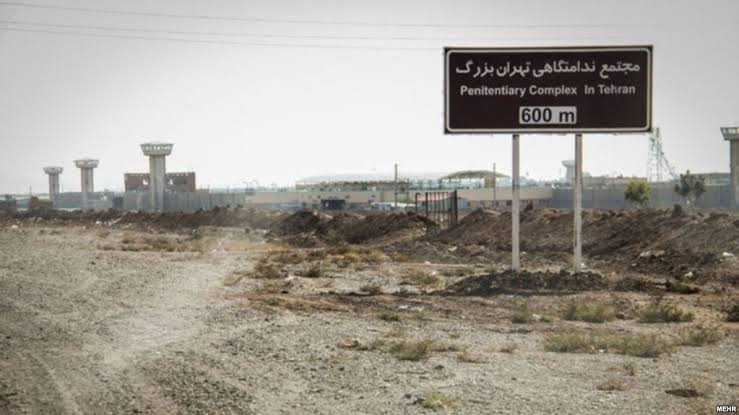
More than 500 open-prison (Ray-Baz) inmates in Fashafuye Prison are left wandering for hours each day inside the prison courtyard without employment opportunities, official resolution, or access to minimal welfare amenities after contracted companies terminated their cooperation; a situation that has raised serious concerns regarding the detention conditions and rights of these prisoners.
Iran human rights Society, Sunday, July 12, 2026 – Newly received reports from Fashafuye Prison indicate that more than 500 open-prison inmates have been left in a state of complete limbo following the closure or suspension of operations of many companies contracted with the prison. According to these reports, these prisoners spend hours every day in the prison courtyard under direct sunlight and without access to basic facilities, waiting for their status to be resolved, while no specific official takes responsibility or provides answers regarding their situation.
Limbo Facing More Than 500 Open-Prison Inmates
According to published information, more than 500 open-prison inmates, who previously worked under external employment contracts or in cooperation with contracted companies, have lost their employment opportunities after employers issued “lack of need” notices.
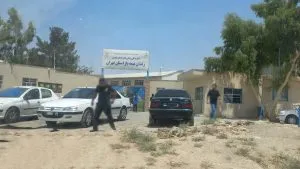
Informed sources state that the closure or downsizing of many of these companies has left a massive number of prisoners without alternative programs or official clarification, forcing them to wait for long hours each day—a wait that leads neither to employment nor to a resolution of their status.
Beyond creating severe economic hardship for the prisoners and their families, this state of limbo has inflicted a significant psychological toll on these individuals.
Hours of Waiting Under Extreme Heat
According to this report, the open-prison inmates are required to be present in the prison courtyard every day from approximately 8:00 AM until 1:00 PM.
Informed sources say that these individuals are kept under direct sunlight and in extreme heat during this entire duration, without being provided a proper place to rest, sit, or shield themselves from the sun. Given the soaring temperatures during the hot months of the year, spending multiple hours in an open space puts the physical health of the prisoners at serious risk, particularly elderly individuals and those with underlying health conditions.
Absence of Basic Welfare Amenities
Reports indicate that even the most minimal welfare amenities are completely missing from the waiting area of the open-prison inmates.
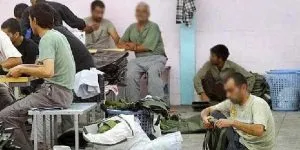
According to knowledgeable sources, prisoners do not have access to a commissary or any location to obtain beverages, food, or other essential items during these hours, forcing them to remain for hours in the prison courtyard without adequate facilities. The complete absence of shaded canopies, seating, or proper resting spaces is among the critical issues highlighted in this report.
Cutoff of Access to Personal Belongings
Another issue raised is the restriction of prisoners’ access to certain personal items during their hours in the courtyard.
According to the report, inmates are denied access to their mobile phones, cigarettes, and certain personal belongings during this time. Informed sources state that these restrictions are enforced even though the prisoners are effectively unable to engage in any activity and are solely waiting for a status update or a potential transfer to a work site.
Lack of an Accountable Official
Based on the received information, one of the most prominent grievances of the open-prison inmates is the total lack of a designated official to handle their situation.
Informed sources state that no stable authority or official is present on-site to address the prisoners’ requests or to provide explanations regarding employment status, work assignments, or ongoing cooperation with the contracted companies. This has caused many prisoners to remain in an unresolved status for consecutive days without receiving any clear answers.
Inmate Employment and the Necessity of Transparent Management
Prisoner employment is a vital program aimed at providing income-earning opportunities, preserving vocational skills, and facilitating the re-entry of individuals into society upon release.
However, recent reports from Fashafuye Prison demonstrate that the suspension of cooperation by contracted companies, without pre-arranging alternative solutions, has left hundreds of prisoners stranded in limbo. Inmate rights activists believe that managing such conditions requires transparent planning, accurate communication, and swift resolution of the prisoners’ status to prevent further psychological and economic strain.
Psychological Consequences of Limbo
Psychologists emphasize that prolonged uncertainty is one of the most significant factors driving anxiety, despair, and psychological burnout among individuals deprived of their liberty. In the case of open-prison inmates, this situation carries broader repercussions, as many participated in this program with the hope of maintaining employment and supporting their families. The sudden loss of work opportunities, coupled with a lack of transparent information regarding the future, places an immense double burden on the prisoners and their loved ones.
Legal Review of the Situation in Fashafuye Prison Based on Domestic Laws
Introduction
Before conducting a legal analysis of this situation, it must be noted that many regulations regarding prison administration have faced consistent criticism from human rights bodies over the years. However, even under domestic laws, prison administrators are legally obligated to provide detention conditions that preserve human dignity and guarantee access to basic amenities, welfare services, and transparent administrative mechanisms.
Legal Ambiguities In this matter, serious questions are raised regarding the root cause of the ongoing limbo facing more than 500 open-prison inmates, the failure to provide alternative programs after companies halted cooperation, keeping prisoners outdoors for multiple hours, the lack of basic welfare amenities, and the absence of a designated official to provide accountability.
Related Legal Articles
- Article 22 of the Constitution: The dignity, life, and rights of individuals are inviolable except as prescribed by law.
- Article 29 of the Constitution: Enjoying welfare and social services is considered a public right of individuals.
- Article 39 of the Constitution: Affronts to the honor and dignity of prisoners are strictly prohibited.
- Executive Regulations of the Prisons Organization: Prison officials are mandated to provide appropriate detention conditions, welfare and sanitary facilities, and necessary services for inmates.
- Regulations on Inmate Employment: Employment programs must be executed with organized management, continuous supervision, and full preservation of prisoners’ rights.
Potential Violations of Law
- Allowing the prolonged and continuous limbo of open-prison inmates.
- Keeping prisoners for hours in extreme heat without proper facilities.
- Lack of adequate access to basic welfare amenities.
- Absence of transparent management and accountability regarding employment status.
- Inflicting psychological pressure stemming from a lack of information and long waiting periods.
Human Rights Violations Regarding the Detention Conditions of Open-Prison Inmates
The published reports from Fashafuye Prison raise serious human rights concerns regarding the detention conditions of open-prison inmates, their access to basic facilities, and the management of prison employment programs. Keeping prisoners in an open space for extended periods without adequate amenities—while their employment status remains entirely unclear—can severely impact their physical and mental well-being. Human rights organizations emphasize that individuals deprived of their liberty, regardless of their judicial status, must be granted humane detention conditions, basic facilities, and treatment rooted in human dignity.
Violated Articles
- Article 5 of the Universal Declaration of Human Rights: No one shall be subjected to cruel, inhuman, or degrading treatment.
- Article 25 of the Universal Declaration of Human Rights: Everyone has the right to a standard of living adequate for health and well-being, including necessary care.
- Article 10 of the International Covenant on Civil and Political Rights: All persons deprived of their liberty shall be treated with humanity and with respect for the inherent dignity of the human person.
- The Nelson Mandela Rules: Prisoners must be provided with appropriate living conditions, access to water, welfare amenities, a safe environment, and orderly prison management.
Reports received from Fashafuye Prison demonstrate that hundreds of open-prison inmates have been thrust into daily limbo and long waiting cycles following the termination of cooperation by contracted companies. The continuation of this situation, alongside the total lack of basic amenities, extreme heat, and the absence of official accountability, underscores the absolute urgency for immediate intervention and the implementation of transparent measures to resolve the status of these prisoners.
See also the below articles:
- Farhad Baranzehi: Threatened with Execution After 482 Days of Detention
- Execution of Protesters: 12 Detainees in Isfahan Face Imminent Death Sentences
Follow Iran Human Rights Society on social networks:
Telegram /Twitter /Instagram / YouTube / Facebook
Join Iran Human Rights Society on Twitter