
Amid an escalating security environment in Khuzestan Province, 12 Sunni Arab citizens from the cities of Abadan and Mahshahr were arrested by Ministry of Intelligence forces and transferred to an undisclosed location. To date, the reasons for their arrest and the charges brought against them have not been announced.
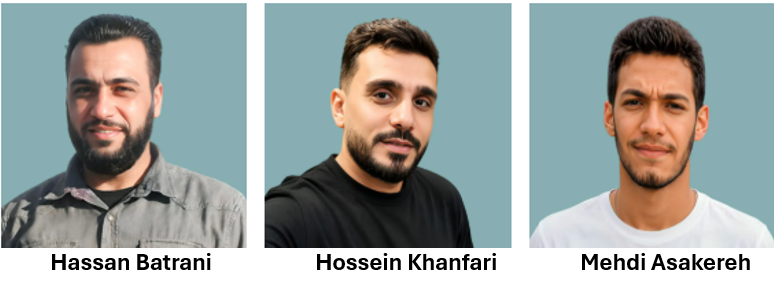
Iran Human Rights Society, Wednesday, July 29, 2026 – Reports received from Ahvaz indicate that on July 24, 2026, twelve Sunni Arab citizens were detained in the cities of Abadan and Mahshahr by Intelligence Ministry agents. Local sources state that these individuals, who are local religious and cultural activists, were subjected to beatings during their arrest and subsequently transferred to an unknown location.
What You Will Read in This Report
- Details of the arrest of 12 Sunni Arab citizens
- Names of seven of the detainees
- Reports regarding the manner of their arrest and transfer
- Ambiguities surrounding their detention location and charges
- Increased security pressure in Khuzestan Province
- Legal review of the arrests
- Human rights violations in this case
Detention of 12 Sunni Arab Citizens in Abadan and Mahshahr
According to reports received from Ahvaz, on July 24, 2026, Intelligence Ministry forces arrested twelve Sunni Arab citizens in Abadan and Mahshahr. Local sources identify these individuals as religious and cultural activists in the region.
The identities of seven of the detainees have been confirmed as follows:
- Hassan Batrani, 32 years old, from Abadan
- Mehdi Batrani, 41 years old, from Abadan
- Mehdi Asakereh, 20 years old, from Abadan
- Amin Khanfari, 22 years old, from Abadan
- Hossein Khanfari, 33 years old, from Abadan
- Abdul-Hamid Seimari (Abu Abd al-Salam), 50 years old, from Mahshahr
- Hatam Mansouri, 46 years old, from Mahshahr
The identities of two of these detainees had been published previously, but with incoming updates, the number of identified individuals has grown.
Reports of Beatings During Arrests
Local sources report that security forces subjected several of these citizens to physical abuse during the arrest operations. Following their detention, the individuals were taken to an unknown location without any explanation provided regarding their fate or whereabouts.
As of the publication of this report, no official entity has released information concerning the status of these individuals, their place of detention, or the judicial status of their cases.
Ambiguity Regarding the Cause of Arrests
Neither the reasons for the arrests nor the charges attributed to these citizens have been announced. Furthermore, there is no information regarding their access to legal counsel, ability to contact family members, or physical wellbeing.
These detentions occur amidst a backdrop of numerous reports over recent months detailing increased security operations, summonses, and arrests across Ahvaz and other cities in Khuzestan Province.
According to local sources, the prevailing security atmosphere in the province has intensified following recent developments, leaving citizens—particularly religious, cultural, and civil activists—facing heightened scrutiny, detentions, and security restrictions.
Legal Review of the Case Based on Domestic Laws
The judicial framework governing Iran in recent years has drawn repeated criticism from legal scholars and human rights organizations over non-compliance with fair trial standards, ambiguous security proceedings, and the restriction of citizens’ basic rights.
However, even under the domestic legislation of the Islamic Republic of Iran regarding citizen detentions, observing legal procedures, announcing the grounds for arrest, granting access to legal counsel, and preserving human dignity remain explicit legal requirements. In the case of the 12 Sunni Arab citizens detained in Abadan and Mahshahr, reports of physical abuse, transfer to undisclosed locations, and unannounced charges raise numerous legal concerns regarding the rights of the accused and procedural compliance under domestic law.
Legal Ambiguities
As of the publication of this report, no official information has been released regarding the grounds for detention, the charges attributed to the individuals, their location, or their access to legal representation. Furthermore, reports of physical violence during the arrests, if verified, directly conflict with statutory principles regarding the preservation of human dignity and the prohibition of degrading treatment.
Holding individuals without transparent updates on their legal status creates serious ambiguities from a legal standpoint regarding due process safeguards and defense rights.
Relevant Legal Provisions
Key domestic legal principles applicable to this case include:
- Article 22 of the Constitution: Safeguards the honor, life, property, and rights of individuals except as authorized by law.
- Article 32 of the Constitution: Prohibits arbitrary arrest and requires immediate formal notification of charges alongside procedural compliance.
- Article 35 of the Constitution: Guarantees the right to legal representation at all stages of proceedings.
- Article 37 of the Constitution: Upholds the presumption of innocence until guilt is proven in a competent court.
- Article 38 of the Constitution: Strictly prohibits torture for extracting confessions or obtaining information.
- Article 39 of the Constitution: Forbids insulting or degrading the dignity and honor of any arrested or imprisoned person.
- Code of Criminal Procedure: Mandates rights for the accused, including formal notice of charges, defense rights, family contact, and fair trial proceedings.
Potential Violations of Law
Based on available reports, primary legal concerns include:
- Reports of beatings and physical abuse during arrests;
- Failure to announce the grounds for arrest and formal charges;
- Transfer of detainees to unknown locations and withholding information from families;
- Ambiguity surrounding access to legal counsel and the exercise of defense rights;
- Non-compliance with fair trial principles and rights enshrined in the Constitution and the Code of Criminal Procedure.
Human Rights Violations Regarding Detentions in Ahvaz
Detaining individuals without formal charges, transferring them to undisclosed locations, and reports of mistreatment during arrest constitute severe violations of international human rights norms.
Under international instruments, this case directly touches upon core fundamental principles:
- Article 3 of the Universal Declaration of Human Rights: The right to liberty and security of person.
- Article 5 of the Universal Declaration of Human Rights: Absolute prohibition of torture or cruel, inhuman, or degrading treatment or punishment.
- Article 9 of the Universal Declaration of Human Rights: Prohibition of arbitrary arrest and detention.
- Articles 7, 9, and 14 of the International Covenant on Civil and Political Rights: Prohibition of inhuman treatment, protection against arbitrary detention, and the right to a fair trial.
The arrest of twelve Sunni Arab citizens in Abadan and Mahshahr, alongside ongoing reports of increased detentions in Ahvaz and other Khuzestan cities, underscores growing concern over the militarization of the province. While their location, charges, and legal status remain officially unconfirmed, families and local sources continue to demand immediate clarity on their whereabouts and the strict observance of their legal rights.
See also the below articles:
- Abolfazl Sepahi Public Execution: Two Protesters Hanged in Isfahan
- Ghezel Hesar Hunger Strike 14th Day: Authorities Relocate 240 Prisoners
Follow Iran Human Rights Society on social networks:
Telegram /Twitter /Instagram / YouTube / Facebook
Join Iran Human Rights Society on Twitter