

Hojat Al-Mohammadi, political prisoner in Shiban Prison, Ahvaz, faces health deterioration and judicial suppression after 10 months without trial.
Hojat Al-Mohammadi, a political activist from Izeh, endures over 10 months of detention in Shiban Prison, Ahvaz, without a trial. His health declines due to a severe gum infection, yet prison authorities deny him proper medical care. This case exposes systemic human rights abuses in Iran’s judicial system. Furthermore, it reflects the regime’s tactics to silence dissent through prolonged detention and neglect.
Arbitrary Arrest and Stalled Judicial Process
Security agents arrested Hojat Al-Mohammadi on September 17, 2024, at his home in Izeh. They used force and showed no clear judicial warrant. Initially held in a security detention center, authorities later moved him to Ward 5 of Shiban Prison. His case lingers in Branch 3 of the Ahvaz Revolutionary Court under Judge Rashid Kiani. However, sources close to Hojat report no progress. Previously, the Ahvaz Public and Revolutionary Prosecutor’s Office handled his case, then sent it to Branch 2 of the Izeh Prosecutor’s Office. Now back in Ahvaz, the delays suggest either disorganization or deliberate suppression. Consequently, Hojat faces vague charges like “assembly and collusion against national security.”
Health Crisis and Denial of Medical Care
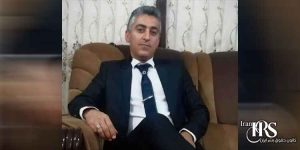
Hojat Al-Mohammadi’s health has sharply worsened in detention. A severe gum infection disrupts his daily life. Prison officials provide only minimal antibiotics, far from the specialized care he needs. Despite his and his family’s pleas, authorities refuse to transfer him to a medical facility. This denial violates Article 25 of the Universal Declaration of Human Rights, which guarantees access to adequate healthcare. Additionally, such neglect aligns with tactics used against political prisoners in Iran, where authorities withhold treatment to pressure detainees.
A Targeted Political Activist
Hojat Al-Mohammadi, a father of a young child, is no stranger to political persecution. His prior arrests stem from activism in Izeh, a region known for unrest due to systemic discrimination and poverty. The charges against him, including “propaganda against the system,” are common tools to silence dissent. Moreover, the lack of access to an independent lawyer and transparent judicial process raises alarms. These actions suggest a deliberate effort to suppress voices like Hojat’s, who challenge the regime’s authority. His case mirrors broader patterns of judicial suppression in Khuzestan province.
Human Rights Violations in Focus
Hojat Al-Mohammadi’s detention reveals multiple human rights violations:
- Arbitrary Detention: His 10-month detention without trial breaches Article 9 of the Universal Declaration of Human Rights.
- Denied Fair Trial: The absence of a court hearing violates Article 10, which ensures a fair and public trial.
- Neglect of Health: Denying medical care disregards Article 25, which emphasizes the right to health and well-being.
These violations highlight a pattern of abuse aimed at breaking political prisoners’ spirits.
Broader Context of Suppression in Khuzestan
Hojat Al-Mohammadi’s detention fits into a larger strategy to suppress activism in Khuzestan, particularly in Izeh and Ahvaz. These areas have seen uprisings against discrimination, poverty, and repression. The regime’s security forces use prolonged detentions to control the social climate. Nevertheless, Hojat’s plight has gained attention on social media, with human rights campaigns demanding his release and proper medical care. These efforts also call for freedom for other political prisoners facing similar abuses.
A Symbol of Resistance
Hojat Al-Mohammadi’s 10 months of uncertainty and suffering make him a symbol of resistance in Iran’s prisons. His deteriorating health and lack of justice reflect a system that targets dissent and humanity. Alongside other political prisoners, his struggle represents a society fighting for basic human rights under oppression. His case demands urgent attention to address the ongoing violations and secure his release.
Follow Iran Human Rights Society on social networks:
Telegram /Twitter /Instagram / YouTube / Facebook
Join Iran Human Rights Society on Twitter






Discussion about this post