
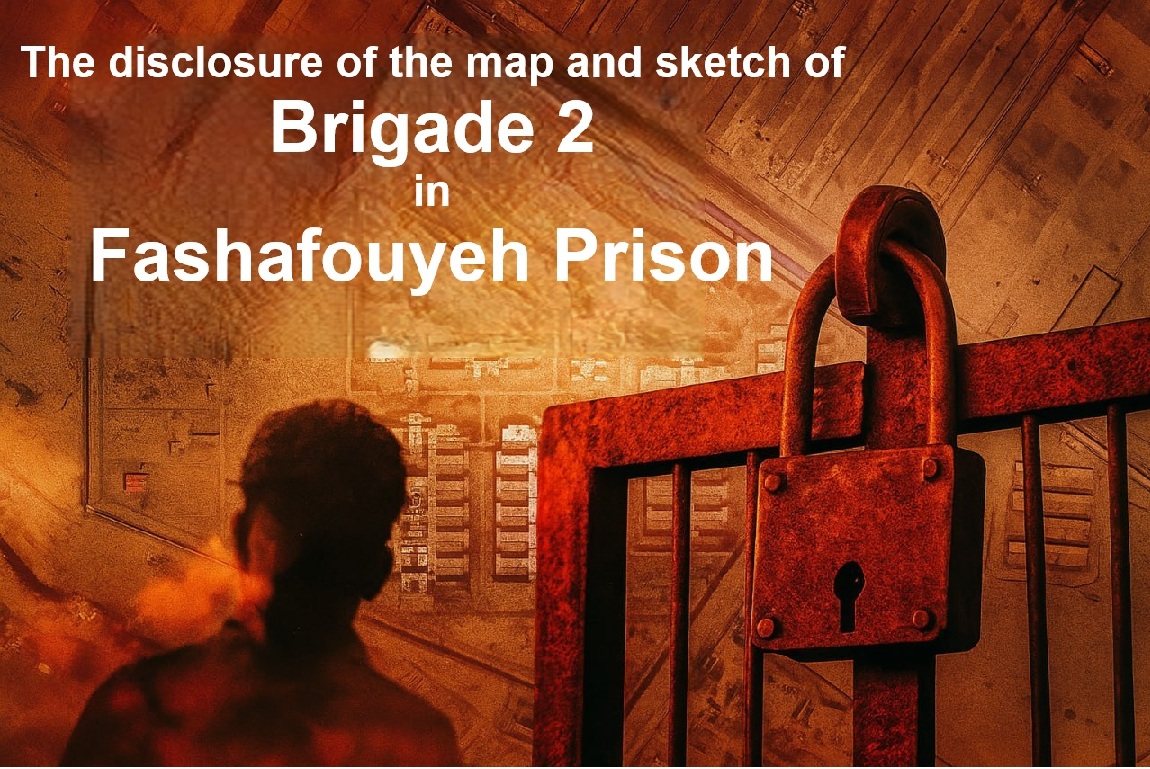
Fashafouyeh Prison’s Brigade 2 blueprint reveals torture through heat, isolation, and overcrowding. Learn how prisoners suffer in silence under brutal conditions.
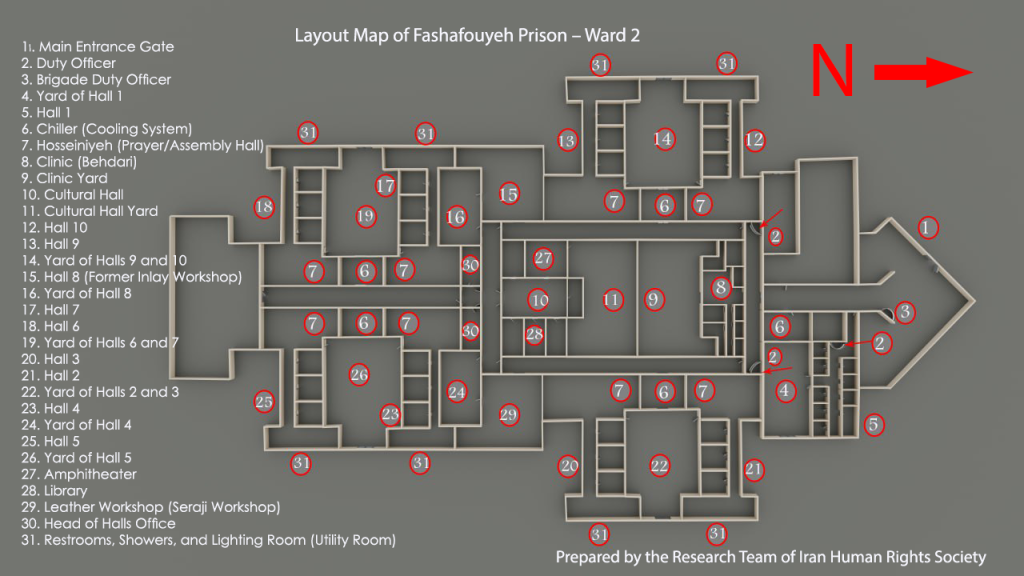
Iran Human Rights Organization, Saturday, July 26, 2025 – Fashafouyeh Prison torture has long remained hidden behind towering walls. The recent disclosure of Brigade 2’s blueprint by the Iran Human Rights Organization on July 26, 2025, exposes the brutal reality of this notorious facility. Located in a scorching region, the prison uses extreme heat, isolation, and overcrowding to break prisoners’ spirits. This article uncovers the inhumane conditions, systemic corruption, and silent suffering in Brigade 2, shedding light on a place designed to crush human dignity.
Blueprint of Brigade 2: A Design for Fashafouyeh Prison Torture
The detailed blueprint of Brigade 2, part of Greater Tehran Prison (Fashafouyeh), reveals a structure built for repression. With 10 isolated wards separated by walls, prisoners cannot interact. Each ward has a designated outdoor area, guard posts, and control rooms. The infirmary, though present, offers little relief. This layout ensures total control, turning each ward into a prison within a prison. The blueprint’s release helps human rights groups understand the extent of Fashafouyeh Prison torture and advocate for change.
Harsh Conditions Fueling Silent Suffering
Fashafouyeh Prison’s unbearable heat, caused by broken ventilation systems, intensifies prisoner torment. Originally equipped with cooling, the prison now relies on defunct systems, making heat a deliberate tool of torture. Prisoners endure sweltering conditions without basic facilities. Consequently, the lack of ventilation and constant surveillance create a suffocating environment. Informed sources confirm this is a calculated strategy to break prisoners’ spirits. The isolated wards amplify psychological pressure, leaving inmates in silent agony.
Overcrowding and Deplorable Living Conditions
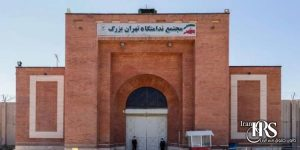
Fashafouyeh Prison, designed for limited capacity, suffers from severe overcrowding. Each ward, meant for 180 prisoners, holds over 370. Cells built for 10 to 12 inmates confine 23. Half the prisoners sleep on filthy floors, packed tightly together. For example, if someone leaves for the bathroom at night, they risk losing their spot and must stand until morning. This overcrowding, combined with poor sanitation, spreads skin and respiratory diseases, worsening Fashafouyeh Prison torture.
Corruption and Discrimination in Prison Management
Corruption thrives in Fashafouyeh Prison. Brigade heads, especially in Brigade 5, extort weekly bribes from wealthier prisoners for privileges like Wi-Fi or alcohol. Meanwhile, poorer inmates lack beds and basic amenities. The prison store, run by the Prisoners’ Cooperative Foundation, sells substandard goods at inflated prices. Additionally, maintenance staff smuggle alcohol, labeled as “acid,” to wealthy prisoners. This systemic corruption deepens inequality and fuels resentment among inmates.
Inadequate Medical Care and Sanitation Crisis
The prison’s infirmary is a facade of care. Prisoners wait in long lines for scarce medications, often receiving just a few pills. In emergencies, they must cover hospital costs themselves, forcing many to forgo treatment. Furthermore, the lack of detergents and annual pest control leads to lice, bedbugs, and skin diseases. Showers offer limited hot water, leaving latecomers to bathe in cold water, even in winter. These conditions amplify the suffering caused by Fashafouyeh Prison torture.
Daily Humiliation and Restricted Communication
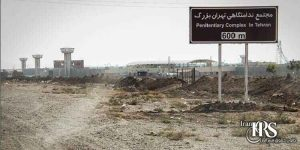
Every day at 7:15 AM, loudspeakers force prisoners to gather for a humiliating headcount, lasting 30 to 45 minutes. This happens twice daily under strict guard supervision. Communication with the outside world is tightly controlled. Each ward has only two phones, and prisoners use “ParsTel” cards to call pre-approved numbers, limited to eight contacts. These restrictions isolate inmates further, intensifying the psychological toll of Fashafouyeh Prison torture.
Poor Food and Water: A Struggle for Survival
Food in Fashafouyeh Prison is scarce and low-quality. Breakfast includes small portions of butter, jam, or sugary halva. Lunch features inedible stews or low-grade rice, while dinner is often a boiled egg or soy burger. Prisoners must buy essentials like plates and toothbrushes from the overpriced prison store. Moreover, the drinking water is salty and unpurified, forcing inmates to pay exorbitant prices for bottled water—a cost many cannot afford.
Cigarettes as Currency: A System of Exploitation
Cash is absent in Fashafouyeh Prison. Instead, cigarettes like Tir, Bahman, and Winston serve as currency. Families deposit funds into the prison’s account, and prisoners use cigarettes for transactions. Even prison workers receive cigarette packs as wages, which they resell for necessities. This system, coupled with the prison store’s inflated prices, traps inmates in a cycle of exploitation and poverty, reinforcing Fashafouyeh Prison torture.
Suspicious Deaths and Suicides: A Deadly Environment

Fashafouyeh Prison has witnessed tragic incidents. Alireza Shir Mohammad Ali, a political prisoner, was killed in 2019. Shahin Naseri died suspiciously in 2020, and Amirhossein Hatami succumbed to guard beatings. Saman Darvishi died in 2022 due to torture. Suicides are also rampant. For instance, Javad Kheirkhahan and Siamak Moghimi attempted suicide under psychological pressure. Instead of support, survivors face beatings as punishment. These cases highlight the deadly impact of Fashafouyeh Prison torture.
Forced Addiction: A Tool of Control
While painkillers are scarce, drugs flow freely in Fashafouyeh Prison. Guards and staff smuggle narcotics, deliberately fostering addiction among inmates. Many young prisoners, initially drug-free, become addicts. This policy stifles dissent and traps inmates in a cycle of dependency. Rather than rehabilitating, the prison creates a factory for addiction, further entrenching the suffering caused by Fashafouyeh Prison torture.
A Call to Action: Breaking the Silence
The blueprint of Brigade 2 exposes the organized repression in Fashafouyeh Prison. Heat, isolation, overcrowding, and corruption create a hellish environment where prisoners suffer in silence. The international community and human rights organizations must act to address these atrocities. By amplifying prisoners’ voices, we can demand accountability and end the inhumane conditions. Fashafouyeh Prison torture must not remain ignored.
Follow Iran Human Rights Society on social networks:
Telegram /Twitter /Instagram / YouTube / Facebook
Join Iran Human Rights Society on Twitter




Discussion about this post