
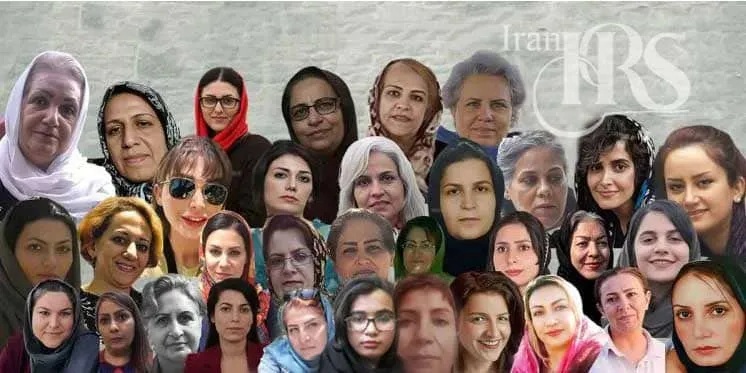
Qarchak Varamin Prison’s inhumane conditions endanger female political prisoners with disease, overcrowding, and neglect.
Iran Human Rights Society, Thursday, August 21, 2025 – Qarchak Varamin Prison, a notorious facility in Iran, traps over 60 female political prisoners in deplorable conditions, sparking global outrage. Authorities subject these women to disease, starvation, and psychological torment in a facility that defies human rights standards. This article explores the catastrophic situation, global responses, and the urgent need for action to protect these prisoners.
Dire Conditions in Qarchak Varamin Prison
The women’s ward in Qarchak Varamin Prison, ironically called the “Club,” is a suffocating nightmare. Over 60 female political prisoners, transferred from another facility in June 2025, cram into seven small rooms and a narrow corridor. With no ventilation, rat and insect infestations thrive, and only three bathrooms and three toilets serve everyone. Many women sleep on the floor due to insufficient beds, enduring unbearable heat and humidity. Furthermore, an unidentified virus, spreading since early August 2025, causes severe bone pain, throat infections, and oxygen deficiency, pushing prisoners to the brink of collapse. These conditions clearly breach global human rights standards.
Global Condemnation of Systematic Mistreatment

On August 19, 2025, officials condemned Iran’s prison conditions, including those at Qarchak Varamin Prison, as systematic mistreatment. They criticized the lack of clean drinking water, inadequate medical care, unsanitary environments, and violent guard behavior. Consequently, they urged immediate medical access for prisoners and independent oversight to ensure compliance with human rights standards. Moreover, human rights organizations describe Qarchak as one of the world’s worst women’s prisons. Therefore, the international community now faces pressure to hold authorities accountable for these violations.
Critical Health Crises Among Female Political Prisoners
Several prisoners face life-threatening health issues with no medical relief. For instance, Azar Karvandi battles heart disease and cervical disc problems but receives no treatment. Similarly, Moloud Safaei urgently needs surgery for a diaphragmatic hernia, yet authorities deny her hospital transfer. Parvin Mirasan and Maryam Banoo Nasiri suffer from chronic conditions, while elderly prisoners risk physical collapse daily. Additionally, the prison’s “money for treatment” policy forces inmates to pay for medical care, a practice that has led to multiple deaths. This deliberate neglect constitutes inhumane treatment.
Food and Water Shortages Intensify Suffering

Beyond health crises, prisoners endure severe food and water shortages. On August 18, 2025, authorities cut water and electricity, refusing to cook or distribute food. As a result, many women, unable to afford food from the prison store, face hunger and physical weakness. These actions exacerbate the prisoners’ suffering, creating a cycle of deprivation and despair. Consequently, the lack of basic necessities like food and water intensifies the humanitarian crisis in Qarchak Varamin Prison, pushing inmates closer to collapse.
Broken Promises and Punitive Delays
Authorities have repeatedly delayed transferring these women to a better-equipped facility, despite available space elsewhere. Families believe this delay is a punitive measure to break the prisoners’ spirit and resistance. These women, imprisoned for their pursuit of freedom and political activism, face ongoing psychological torment. Therefore, the refusal to relocate them reflects a deliberate strategy to suppress dissent, further violating their dignity and rights.
Urgent Call for International Action

Human rights organizations have sounded the alarm over Qarchak Varamin Prison’s catastrophic conditions. They demand the immediate transfer of female political prisoners to a suitable facility, access to medication and medical care, and respect for human dignity. Furthermore, activists call on the global community, particularly international bodies, to apply diplomatic and legal pressure to compel authorities to honor their obligations. The situation in Qarchak is not just a domestic issue but a sign of systematic suppression within the prison system.
A Humanitarian Catastrophe Unfolds
The conditions in Qarchak Varamin Prison represent a humanitarian catastrophe. The combination of overcrowding, disease, and neglect threatens the lives of female political prisoners daily. Moreover, the prison’s practices, such as mixing political prisoners with ordinary criminals, violate the principle of separation of offenses. If these conditions persist, the risk of a silent death looms over these women, whose only crime is advocating for freedom and justice.
See also the below articles:
- Harsh Disciplinary Rulings Target Sanandaj Teachers’ Trade Association
- Executions in Lakan Prison Highlight Iran’s Alarming Death Penalty Surge
Follow Iran Human Rights Society on social networks:
Telegram /Twitter /Instagram / YouTube / Facebook
Join Iran Human Rights Society on Twitter





Discussion about this post