
Reports from Karaj Central Prison indicate an increase in pressure on prisoners, insecurity inside the wards, and intensification of psychological tensions simultaneously with bombardments and the continuous shaking of the prison buildings.
Iran Human Rights Society, Saturday, March 21, 2026 – While many areas are facing insecurity and crisis simultaneously with war conditions and extensive bombardments, reports received from Karaj Central Prison show that prisoners are being held in difficult conditions and under severe psychological pressure. According to informed sources, the continuous shaking of the prison buildings due to explosions as well as the increase in internal pressures have made the prisoners’ psychological state extremely critical.
Pressure on Prisoners Inside the Wards
According to reports received from inside Karaj Central Prison, in Hall 15 of this prison, a guard officer named Behdad Amiri, in cooperation with another prisoner named Arash Hadadi Rabeeh, are exerting a great deal of pressure on other prisoners. According to prisoner sources, these two individuals, by creating restrictions, pressure, and harassment, have made the conditions more difficult for the prisoners.
Reports indicate that these pressures are being applied at a time when the prisoners, due to the war situation and insecurity caused by bombardments, are themselves in a very difficult psychological state, and any additional pressure can make their situation even more critical.
Continuous Shaking of Prison Buildings Due to Bombardments
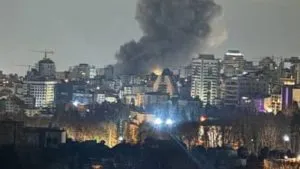
One of the important issues that prisoners in Karaj Central Prison have pointed to is the continuous shaking of the prison buildings due to bombardments in the surrounding areas. According to the prisoners, during explosions, the prison buildings shake continuously, and this very issue has caused severe fear, anxiety, and intense nervous pressure among the prisoners.
Prisoners say that during bombardments, no shelter or safe place has been considered for them and they remain in the same wards. This situation has caused the prisoners to constantly live in fear of the building collapsing or being harmed by explosions.
According to informed sources, this situation has imposed severe psychological pressure on the prisoners and many of them have suffered from anxiety, insomnia, and psychological problems.
Resolution 211 and the Necessity of Releasing Prisoners in Crisis Conditions
While the country is in a state of war, according to Resolution 211 of the Judiciary, in crisis conditions including war and bombardment, action must be taken to release prisoners or grant them leave so that the lives of prisoners are not endangered.
However, reports show that this resolution has not been implemented for many prisoners in Karaj Central Prison and the prisoners are still being held in unsafe conditions in the prison.
The non-implementation of this resolution at a time when the prison is exposed to dangers resulting from the war has increased concerns about the lives of the prisoners.
Psychological Pressure and Attempts to Create Tension in the Prison
Some prisoner sources believe that the increase in pressures, restrictions, and harassment of prisoners in these conditions can lead to the creation of tension and conflict inside the prison. According to these sources, increasing pressure on prisoners at a time when they are also under psychological pressure resulting from the war can push prisoners toward protest reactions or conflicts.
These sources say that in the event of any unrest in the prison, security forces can suppress the prisoners with greater intensity. For this reason, some prisoners believe that the increase in pressures in these conditions is a kind of targeted pressure to create a crisis inside the prison.
In such conditions, prisoners are facing double psychological pressure; on one hand, fear of bombardment and insecurity, and on the other hand, internal pressures in the prison.
Human Rights Violations in Karaj Central Prison
Violation of the right to life – Article 3 of the Universal Declaration of Human Rights: Holding prisoners in conditions where their lives are endangered due to war and bombardment can be considered a violation of the right to life.
Violation of the prohibition of torture – Article 5 of the Universal Declaration of Human Rights: Imposing severe psychological pressures, creating permanent fear, and holding prisoners in unsafe conditions can constitute psychological torture and inhuman treatment.
Violation of the principle of human dignity – Article 10 of the International Covenant on Civil and Political Rights: All persons deprived of their liberty shall be treated with respect for human dignity, and creating unsafe conditions and psychological pressure is contrary to this principle.
Violation of the United Nations Standard Minimum Rules for the Treatment of Prisoners (Nelson Mandela Rules): According to these rules, the government is obliged to ensure the physical and mental safety and health of prisoners.
Violation of the right to personal security – Article 9 of the International Covenant on Civil and Political Rights: Prisoners also have the right to enjoy physical and mental security, and holding them in dangerous conditions can violate this right.
Reports received from Karaj Central Prison show that prisoners are being held in difficult conditions accompanied by severe psychological pressure. The continuous shaking of the prison buildings due to bombardments, the lack of a safe place, the increase in internal pressures, and the non-implementation of Resolution 211 have all caused the prisoners’ situation to become extremely critical.
See also the below articles:
- Execution of Saleh Mohammadi, Saeed Davoudi, and Mehdi Ghasemi in Iran Amid Nationwide Protests
- Execution of Kourosh Keivani; Beginning of the Wave of Hasty Executions Under the Shadow of Security Charges
Follow Iran Human Rights Society on social networks:
Telegram /Twitter /Instagram / YouTube / Facebook
Join Iran Human Rights Society on Twitter








Discussion about this post