
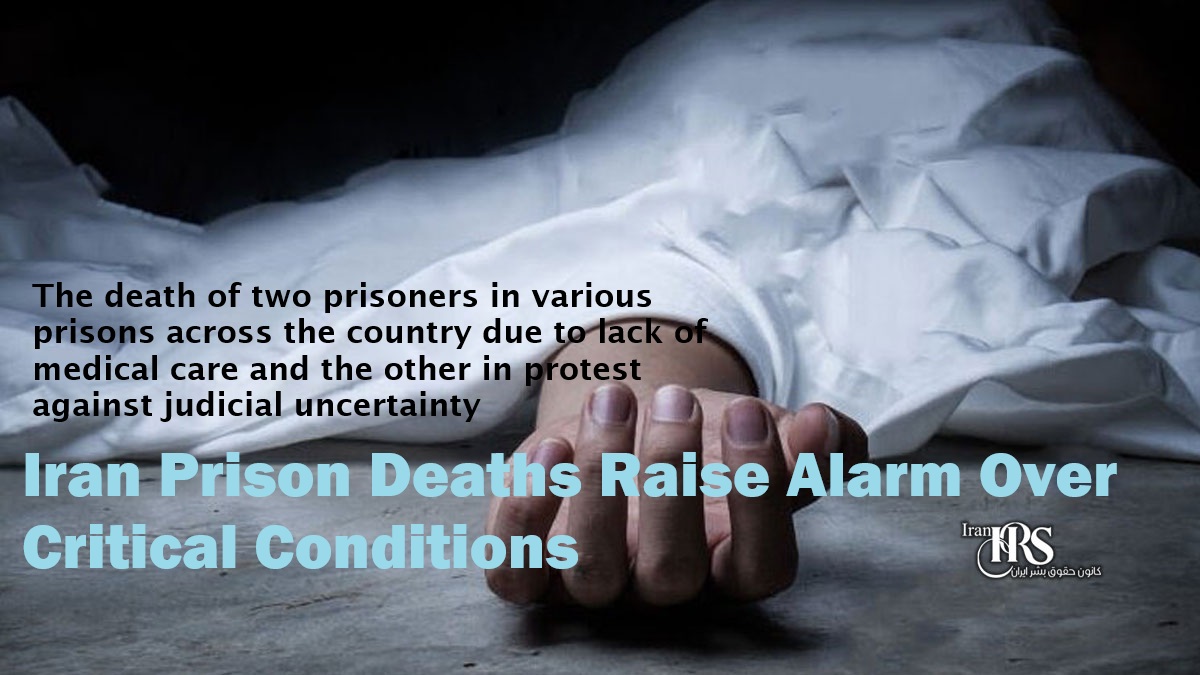
Iran prison deaths highlight critical issues. Two prisoners died in Mahabad and Mashhad due to medical neglect and judicial uncertainty, raising alarms over human rights violations.
Iran Human Rights Society, Tuesday, December 16, 2025 – Iran prison deaths continue to expose severe problems in the country’s detention system. Two inmates lost their lives in one day at facilities in Mahabad and Mashhad. These incidents spotlight ongoing neglect and rights abuses.
Activists point out structural issues. They include lack of medical care and prolonged case delays. Furthermore, these deaths show preventable risks prisoners face daily.
Prisoner Dies in Mahabad from Medical Neglect
Abdulahadi Sheikhpour, a prisoner from Sardasht, died on December 14, 2025, in Mahabad prison. He finished his three-year sentence days earlier. However, officials kept him detained for unclear reasons.
Sheikhpour fell seriously ill two days before his death. He became bedridden and unable to move. Prison staff ignored his condition. They denied him transfer to the infirmary.
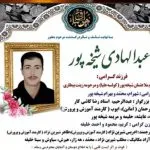
Other inmates requested help. Officials ignored those pleas too. After his death, authorities claimed cardiac arrest caused it. Yet, evidence clearly shows medical negligence played the key role.
Sheikhpour, a father of three, faced narcotics charges three years ago. He received a three-year sentence. This case underscores dangers from delayed releases and poor healthcare in Iran prisons.
Suicide in Mashhad Vakilabad Prison Highlights Judicial Uncertainty
Changiz Norouzi died on December 14, 2025, in Vakilabad Prison, Mashhad. He committed suicide to protest long delays in his case.
Authorities arrested Norouzi three years earlier on narcotics charges. His case stayed unresolved without a verdict. Sources report intense psychological pressure drove his action.
Rescue efforts failed. He died before reaching the hospital. Activists warn repeatedly about mental health risks from such uncertainty.
These events reveal weak oversight in Iran’s prison system. Delays in releases and unresolved cases endanger lives.
Preventable Iran Prison Deaths Demand Action
Iran prison deaths like these prove preventable with proper care. Lack of treatment and case delays threaten many inmates.
Activists call for accountability. They urge officials to improve medical access and speed up judicial processes.
Furthermore, arbitrary detention after sentence completion violates basic rights. Immediate reforms can save lives.
Human Rights Violations in Prisoner Deaths
The death of prisoners due to deprivation of treatment and psychological pressures resulting from uncertainty is a clear violation of fundamental principles of human rights.
- Article 3 of the Universal Declaration of Human Rights- Violation of the right to life and personal security through negligence toward the physical and mental health of prisoners.
- Article 5 of the Universal Declaration of Human Rights- Inhuman and degrading treatment through abandoning a sick or uncertain prisoner in harmful conditions.
- Article 9 of the Universal Declaration of Human Rights- Arbitrary detention and continuation of imprisonment after the end of the sentence or without judicial determination.
- Standard Minimum Rules for the Treatment of Prisoners (Mandela Rules)- Violation of the obligation to provide prisoners with immediate access to medical services and protection against physical and mental harm.
See also the below articles:
- Transfer of Ehsan Rostami to Solitary Cell After Being Charged with Rebellion
- Hunger Strike by Prisoners in Karaj Central Prison
Follow Iran Human Rights Society on social networks:
Telegram /Twitter /Instagram / YouTube / Facebook
Join Iran Human Rights Society on Twitter








Discussion about this post