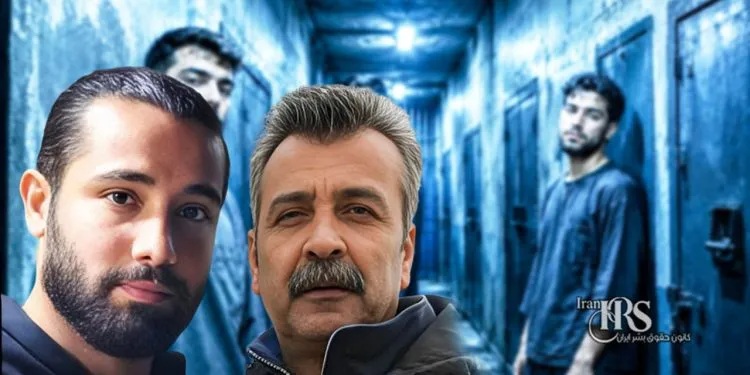
Reports received from Qezel Hesar Prison indicate the confirmation of the execution sentences of Mohammad Reza Tabari, Mohammad Reza Abdollahpour and Amir Mohammad Zareh in Branch Nine of the Supreme Court.
Iran Human Rights Society, Thursday May 7, 2026 – Reports received indicate that Mohammad Reza Tabari, Mohammad Reza Abdollahpour and Amir Mohammad Zareh, among those arrested in the nationwide protests of January 2026, are in immediate danger of the implementation of their execution sentences. These three prisoners, who are probably being held in Ward 35, Unit 3 of Qezel Hesar Prison, are still banned from visits and phone calls, and concerns about the sudden implementation of their sentences have increased.
According to the information received, Mohammad Reza Tabari, Mohammad Reza Abdollahpour and Amir Mohammad Zareh were previously held together with a number of other detainees in one ward. However, the other prisoners have been transferred from this ward and only these three prisoners remain in the location.
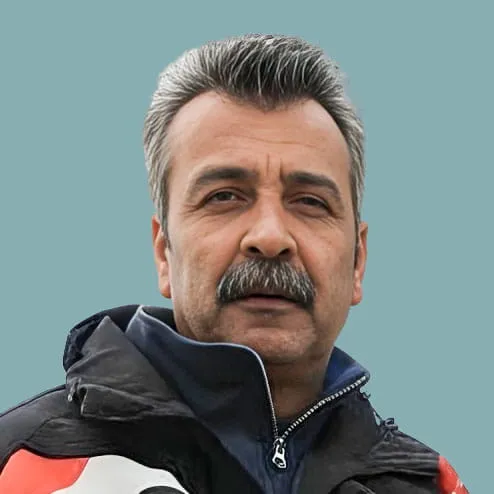
Informed sources say this situation has intensified concerns about the possibility of the imminent implementation of the execution sentences of Mohammad Reza Tabari, Mohammad Reza Abdollahpour and Amir Mohammad Zareh. So far, no official authority has provided a clear explanation about their current situation.
Based on the reports received, execution sentences have been issued for Mohammad Reza Tabari, Mohammad Reza Abdollahpour and Amir Mohammad Zareh and it is said that these sentences have been confirmed in Branch Nine of the Supreme Court under the presidency of Qasem Mazinani.
Sources close to the cases say Mohammad Reza Tabari, Mohammad Reza Abdollahpour and Amir Mohammad Zareh have been deprived of access to their chosen lawyer in all stages of the judicial proceedings and have only had court-appointed lawyers. Also, families and independent sources have not had access to the details of the cases.
Based on the published information, charges such as “espionage” and “murder” have been attributed to Mohammad Reza Tabari, Mohammad Reza Abdollahpour and Amir Mohammad Zareh. However, no independent document about the details of these charges has been published.
An informed source has stated that one of the judges of the Supreme Court told the family of one of the defendants: “Go and prepare your black clothes; by now you should have held the fortieth day ceremony and the sentence should have been carried out sooner.”
How Was Mohammad Reza Tabari Sentenced to Execution?
Mohammad Reza Tabari is from Bojnord and resides in Eslamshahr. He was arrested during the nationwide protests of January 2026. Mohammad Reza Tabari has been introduced as the owner of a carpentry workshop in the Orin area of Eslamshahr.
The judiciary of the ruling establishment has sentenced Mohammad Reza Tabari to execution on charges of “enmity against God (moharebeh)” through the use of a firearm and “operational action in favor of groups opposing the ruling establishment.”
According to published reports, Mohammad Reza Tabari has been deprived of access to his chosen lawyer in all stages of interrogation and judicial proceedings. Also, reports indicate that Mohammad Reza Tabari has not enjoyed the right to a fair trial.
In the issued indictment, Mohammad Reza Tabari has been accused of “drawing a firearm towards people and security forces.” Also, in Mohammad Reza Tabari’s case file, it is claimed that he played a role in an “operational action.”
However, no independent and verifiable document about Mohammad Reza Tabari’s charges has been published. All claims made about Mohammad Reza Tabari have been formulated based on the narrative of security institutions.
Establishment-affiliated media have claimed that Mohammad Reza Tabari injured one of the security forces. This claim is made while no independent authority has had the possibility to examine the veracity of these claims.
Fars News Agency had also claimed in a report that Mohammad Reza Tabari was one of the active figures in the protests and, using a firearm, injured one of the security forces.
In contrast, some unofficial reports speak of ambiguity in Mohammad Reza Tabari’s case file. These reports have pointed to the lack of a clear reference to the identity of the injured person and also the holding of the court without the presence of the chosen lawyer.
Based on the published information, Mohammad Reza Tabari turned himself in to law enforcement forces after learning that he was wanted. Also, it is said that Mohammad Reza Tabari has had only limited contacts with his family during his detention.

Mohammad Reza Abdollahpour; Medical Staff Arrested During the Protests
Mohammad Reza Abdollahpour, 28 years old and from Tonekabon, was arrested during the nationwide protests of 2026. Mohammad Reza Abdollahpour has studied in the field of anesthesiology and has worked as medical staff in one of the hospitals in Tehran.
Based on the reports received, Mohammad Reza Abdollahpour was arrested by security agents while assisting an injured person. Informed sources say Mohammad Reza Abdollahpour had no political or protest activity at the time of his arrest.
According to these reports, Mohammad Reza Abdollahpour had only acted in the framework of his professional duty to provide assistance. However, security agents arrested Mohammad Reza Abdollahpour without providing a specific explanation and transferred him to an unknown location.
Sources close to the case say Mohammad Reza Abdollahpour, like Mohammad Reza Tabari, has been deprived of access to his chosen lawyer. Also, no independent information about Mohammad Reza Abdollahpour’s trial process has been published.
Complete Ambiguity About the Situation of Amir Mohammad Zareh
Limited information has been published about Amir Mohammad Zareh. So far, no precise details about the process of Amir Mohammad Zareh’s case file, the time of his arrest or his detention conditions have become available.
However, informed sources say Amir Mohammad Zareh is also in immediate danger of the implementation of his execution sentence along with Mohammad Reza Tabari and Mohammad Reza Abdollahpour.
The families of Mohammad Reza Tabari, Mohammad Reza Abdollahpour and Amir Mohammad Zareh have so far not had access to clear information about the status of the cases. Also, no official announcement has been made about the possible time of the implementation of the sentences.
Published reports indicate that the intensification of the implementation of execution sentences in recent weeks has increased concerns about the fate of Mohammad Reza Tabari, Mohammad Reza Abdollahpour and Amir Mohammad Zareh.
Case of Mohammad Reza Tabari, Mohammad Reza Abdollahpour and Amir Mohammad Zareh; Concern About Execution and Unfair Trial
The issuance and confirmation of execution sentences for Mohammad Reza Tabari, Mohammad Reza Abdollahpour and Amir Mohammad Zareh has taken place in conditions where reports indicate the deprivation of these three prisoners from chosen lawyers, lack of judicial transparency and severe restrictions on communication with families. The continuation of their detention in conditions of being banned from visits and phone calls, along with ambiguity about the trial process and the time of implementation of the sentences, has increased concerns about the violation of fundamental human rights principles.
Violated Articles:
- Violation of the right to a fair trial – Article 10 of the Universal Declaration of Human Rights: Deprivation of a transparent and independent judicial process violates the right to enjoy a fair trial.
- Violation of the right to have a lawyer – Fundamental principles of trial: Lack of access to a chosen lawyer has deprived the defendants of the right to effective defense.
- Violation of the right to life – Article 3 of the Universal Declaration of Human Rights: The danger of imminent implementation of the execution sentence in conditions of judicial ambiguity threatens the fundamental right to life.
- Violation of the right to communication with family – Minimum Rules for the Treatment of Prisoners: Continuation of the ban on contact and visits has deprived the prisoners of communication with their families.
- Violation of the principle of presumption of innocence – Article 11 of the Universal Declaration of Human Rights: Lack of possibility for independent examination of the documents of the cases has called into question the principle of presumption of innocence and impartial proceedings.
See also the below articles:
Follow Iran Human Rights Society on social networks:
Telegram /Twitter /Instagram / YouTube / Facebook
Join Iran Human Rights Society on Twitter