
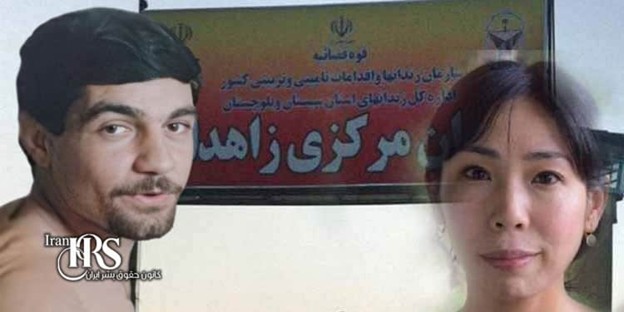
Saeed Masouri, Iran’s longest-held political prisoner, faces inhumane transfer to Zahedan Prison. His family urges UN Special Rapporteur Mai Sato for urgent action.
Iran Human Rights Society, Wednesday, July 30, 2025 – Saeed Masouri, Iran’s longest-serving political prisoner, endures escalating persecution after 25 years behind bars. His recent transfer to Zahedan Prison, a facility notorious for its harsh conditions, has sparked outrage. Masouri’s family, desperate for answers, has appealed to Ms. Mai Sato, the UN Special Rapporteur on Human Rights in Iran, demanding immediate intervention.
Saeed Masouri’s Unjust Transfer to Zahedan Prison
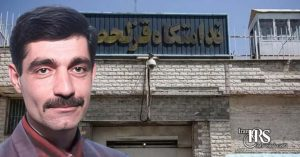
On July 27, 2025, authorities forcibly moved Saeed Masouri from Qezel Hesar Prison in Karaj to Zahedan Prison, a remote and dangerous facility. This transfer, executed without a judicial warrant, followed violent clashes with fellow inmates who resisted earlier attempts to relocate him. Masouri’s family, unaware of his exact whereabouts, fears for his safety. They describe the move as a deliberate act to intensify physical and psychological pressure on him. The lack of communication violates basic human rights, leaving his loved ones in anguish.
Zahedan Prison’s deplorable conditions amplify concerns. Reports indicate prisoners face solitary confinement, inadequate medical care, and severe deprivation. For Masouri, who has endured 25 years without furlough, this transfer signals a calculated escalation of abuse. His family’s letter to Ms. Mai Sato underscores the urgency, demanding clarity on his location and protection from cruel treatment.
A Family’s Plea to Mai Sato for Urgent Action
Masouri’s family penned a heartfelt letter to Ms. Mai Sato, UN Special Rapporteur on Human Rights, on July 29, 2025. They expressed profound distress over the absence of information about his status. The letter highlights the regime’s failure to confirm his transfer to Zahedan Prison or provide contact. This secrecy, they argue, constitutes a grave human rights violation under the International Covenant on Civil and Political Rights (ICCPR).
They urge Ms. Sato to take swift action: investigate Masouri’s detention, ensure he is not in solitary confinement, facilitate family contact, and monitor his health. The family’s plea reflects a broader call for international accountability. They hope Ms. Sato’s intervention will prevent further harm to Masouri, whose resilience inspires many.
Saeed Masouri’s Warning: A Crime in Progress
Before his transfer, Saeed Masouri smuggled a powerful note titled “A Crime is Taking Place.” He warned of the regime’s intensifying crackdown on political prisoners, drawing chilling parallels to the 1988 massacre of 30,000 prisoners. Masouri described the transfer as a pretext for “more suppression, killings, and executions.” He labeled the regime’s tactics as “Fire at Will,” a desperate attempt to mask its weakening grip on power.
Human Rights Violations in Masouri’s Case
The transfer of Saeed Masouri violates several international human rights standards. These breaches highlight the regime’s disregard for legal and humanitarian principles. Key violations include:
- Article 5, Universal Declaration of Human Rights: The transfer to Zahedan’s harsh conditions amounts to cruel and inhumane treatment. Masouri faces risks to his health and safety in a facility known for its brutality.
- Article 9, Universal Declaration of Human Rights: The absence of a judicial warrant for his transfer constitutes arbitrary exile, a clear violation of due process.
- Article 10, ICCPR: Denying Masouri visitation rights and medical care disregards his dignity as a detainee.
- Article 12, ICCPR: Forcing Masouri to a remote prison without legal justification violates his right to choose his place of residence.
These violations demand urgent attention from global human rights bodies. Masouri’s case exemplifies the regime’s systematic oppression of political prisoners.
Resistance and Solidarity in the Face of Oppression
Masouri’s fellow inmates have shown remarkable courage. On July 16, 2025, they thwarted an initial attempt to abduct him, barricading the ward and chanting against the regime. Families of political prisoners and executed individuals also rallied behind Masouri. They called his transfer a tactic to “silence resistance” and urged global support for the campaign. Their solidarity underscores the growing momentum against the regime’s repression.
Follow Iran Human Rights Society on social networks:
Telegram /Twitter /Instagram / YouTube / Facebook
Join Iran Human Rights Society on Twitter





Discussion about this post