
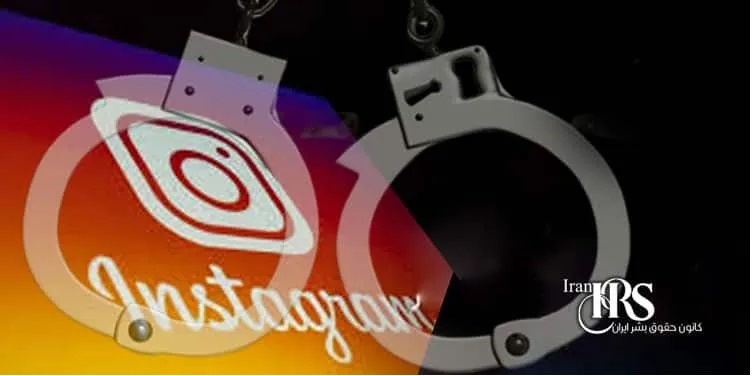
According to multiple reports, arbitrary detentions, denial of access to legal counsel, psychological and physical pressure on detainees, and the formation of opaque judicial cases have become a standard practice in Iran’s security crackdowns on citizens.
Iran Human Rights Society, 28 Khordad 1404 (June 18, 2025) – The suppression and detention of social media activists and those who have commented or shared news related to recent conflicts continue unabated. According to Maryam Shokrani, economics editor at Shargh newspaper, journalist Ali Pakzad went to the Jam-e Jam area on Monday, 26 Khordad 1404 (June 16, 2025), following an Israeli airstrike and explosion at the IRIB (Islamic Republic of Iran Broadcasting) building to report on the scene. His family stated that Ali Pakzad had only one brief phone call with them, during which he informed them of his detention by security forces.
As of this report, no official information has been released regarding his legal status or place of detention. Ali Pakzad’s arrest has sparked widespread reactions from the media community and human rights activists, who view it as a blatant violation of press freedom and the right to free access to information.
Arrest of 18 Individuals in Lorestan Province for Social Media Activity
Concurrently, Mizan News Agency, affiliated with Iran’s judiciary, reported the detention of 18 citizens in Lorestan Province. According to the province’s public prosecutor, these individuals were arrested on charges of “creating fear and terror” and “disrupting public psychological peace” through their social media activities. Judicial authorities have claimed, without providing evidence, that these individuals caused public unrest by posting content online.
These arrests coincide with a surge in restrictions and security measures targeting social media users, particularly following Israel’s attack on Iran.
Mass Arrest of Teenage Girls in Mahabad
On Tuesday, 27 Khordad 1404 (June 17, 2025), it was reported that at least 18 girls under 18 were detained in Mahabad by Intelligence Agency forces. These teenagers were targeted for posting content about recent conflicts in Mahabad.
Local sources indicate that the girls were released on bail after several hours of interrogation and the formation of judicial cases. Human rights activists consider this a clear example of the systematic suppression of teenagers and a violation of fundamental children’s rights in Iran.
Growing Concerns Over Human Rights Violations in Iran
Multiple reports confirm that arbitrary detentions, lack of access to lawyers, psychological and physical pressures on detainees, and non-transparent judicial proceedings have become entrenched in Iran’s security approach toward citizens.
This wave of arrests in recent days has raised serious concerns among human rights organizations and international bodies. Restrictions on press freedom, violations of the right to free expression, and suppression of the digital space in Iran have significantly intensified.
Human Rights Violations Under International Law
The treatment of journalists, social media activists, and even teenagers constitutes clear violations of several articles of the Universal Declaration of Human Rights:
Article 9: No one shall be subjected to arbitrary arrest, detention, or exile.
Article 19: Everyone has the right to freedom of opinion and expression; this right includes freedom to hold opinions without interference and to seek, receive, and impart information and ideas through any media and regardless of frontiers.
Article 20: Everyone has the right to freedom of peaceful assembly and association.
Article 5: No one shall be subjected to torture or to cruel, inhuman, or degrading treatment or punishment.
Article 10: Everyone is entitled in full equality to a fair and public hearing by an independent and impartial tribunal.
Follow Iran Human Rights Society on social networks:
Telegram /Twitter /Instagram / YouTube / Facebook
Join Iran Human Rights Society on Twitter





Discussion about this post