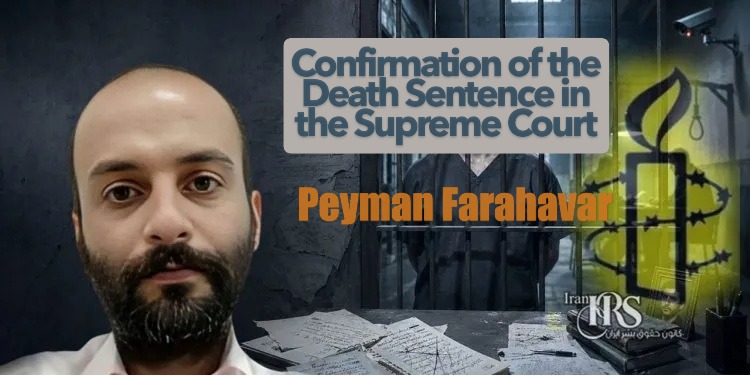
Amnesty International by publishing two statements on the social network X warned about the danger of executing the sentence of Peyman Farahavar, the Gilak poet and political prisoner from Gilan. This organization has emphasized that he after an unfair trial and in connection with political charges has been sentenced to death and his life is in serious danger.
Iran Human Rights Society, Wednesday, May 27, 2026 – Amnesty International by expressing concern regarding the increase in the wave of executions in Iran, has warned about the danger of executing the sentence of Peyman Farahavar. This Gilani poet and political prisoner who has been in detention since August 2024, after months of interrogation and detention in security detention centers, on charges such as “baghy” and “moharebeh” has been sentenced to death. Human rights institutions say the process of handling his case has been accompanied by extensive violation of the principles of fair trial and his cultural and literary activities have been used as security evidence against him.
Why is Amnesty International’s Warning About the Danger of Executing Peyman Farahavar Important?
Amnesty International in two posts published on the social network X, regarding the situation of Peyman Farahavar has expressed concern and has written:
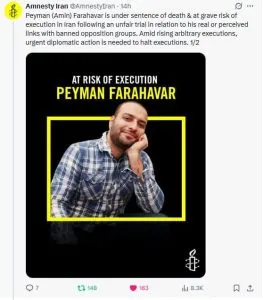
«Peyman (Amin) Farahavar following an unfair trial in relation to his real or alleged connections with prohibited opposition groups, has been sentenced to death and is in serious danger of execution in Iran.»
This organization has also emphasized:
«In the midst of the increase in arbitrary executions, urgent diplomatic action to stop the executions is needed.»
Amnesty International in continuation has warned that Peyman Farahavar is only one of dozens of political prisoners who with charges having political motives have been sentenced to death.
In another part of this position it has come:
Who is Peyman Farahavar?
Peyman Farahavar, the Gilak poet and political prisoner from Gilan, is 37 years old and during the past years mostly as a poet, songwriter and cultural activist was known.
His close associates say the major part of his activities on social issues, environmental concerns, civil rights and cultural issues has been focused.
However, the judiciary of the Islamic Republic for him the heaviest security charges including “baghy” and “moharebeh” has raised; charges that during recent years repeatedly against protesters and political prisoners have been used.
Human rights activists say Peyman Farahavar’s case is an example of securitizing cultural and civil activities in Iran.
Arrest and Transfer to Intelligence Detention Center
Peyman Farahavar since August 2024 has been in detention.
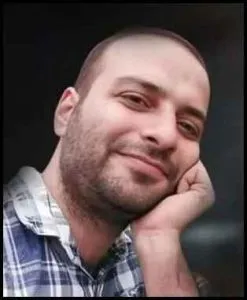
Based on published reports, he after arrest initially to the Intelligence Administration detention center was transferred and for weeks under interrogation and security pressure was placed.
After the end of interrogations, he to Lakan Prison in Rasht was transferred; a prison that during recent years has been the place of detention of a number of political and security prisoners.
Human rights sources say Peyman Farahavar in the months of detention, from many of his basic rights has been deprived and a long time in judicial limbo has spent.
Trial Without the Presence of a Lawyer
One of the most important criticisms raised about Peyman Farahavar’s case, is the manner of holding his court.
He on May 1, 2025 in a branch under the presidency of Judge Ahmad Darvishgoftar was tried.
Based on published reports, the court session without the presence of a lawyer was held and Peyman Farahavar from the right of effective access to a lawyer of his choice has been deprived.
At the end of this process, the court him for the charges of “baghy” and “moharebeh” to death and for “propaganda against the regime” to three months imprisonment sentenced.
Human rights activists say deprivation of the defendant from an independent lawyer, especially in cases that carry the death penalty, is a clear violation of the basic principles of fair trial.
Confirmation of the Death Sentence in the Supreme Court
The death sentence of Peyman Farahavar in Branch 39 of the Supreme Court has been confirmed; a matter that has increased concerns about the danger of imminent execution of the sentence.
Sources close to the case say a significant part of the evidence presented against him, to his poems, songs and civil and cultural activities has been related.
This very issue has caused many cultural and human rights activists, to consider his case as an example of security dealing with artistic and civil activities.
Human rights activists warn that using literary works and cultural activities as security evidence, is a sign of the expansion of suppression of freedom of expression and civil activities in Iran.
Increasing Concerns About the Wave of Political Executions
Peyman Farahavar’s case in a situation has been raised that human rights institutions from the increase in political and security executions in Iran have expressed concern.
According to these institutions, the officials of the Islamic Republic in recent years from the death penalty as a tool for creating fear, silencing protests and suppressing opponents have used.
Human rights activists say charges such as “moharebeh” and “baghy” due to broad and vague definition, provide the possibility of political and security use against opponents.
Human Rights Violation; Execution After Unfair Trial
Peyman Farahavar’s case from the side of human rights institutions as an example of extensive violation of the rights of political prisoners and cultural activists in Iran has been described.
Violated Articles:
- Violation of the right to fair trial – Article 10 of the Universal Declaration of Human Rights: Holding the court without the presence of an independent lawyer and in a security space, violates the principles of fair trial.
- Violation of freedom of expression – Article 19 of the Universal Declaration of Human Rights: Using poems, songs and cultural activities as security evidence, is considered a clear violation of freedom of expression and cultural activity.
- Violation of the right to access to a lawyer – Basic principles of fair trial: Depriving Peyman Farahavar from a lawyer of his choice, has taken away his right to effective defense.
- Violation of the right to life – Article 3 of the Universal Declaration of Human Rights: Issuing and confirming the death sentence after a non-transparent and security process, violates the basic right to life.
See also the below articles:
- Execution of Gholamreza Khani Shokrab Raises Serious Transparency Concerns
- Punitive Telephone Deprivation Hits Evin Prison Women Over Anti-Execution Protest
Follow Iran Human Rights Society on social networks:
Telegram /Twitter /Instagram / YouTube / Facebook
Join Iran Human Rights Society on Twitter