
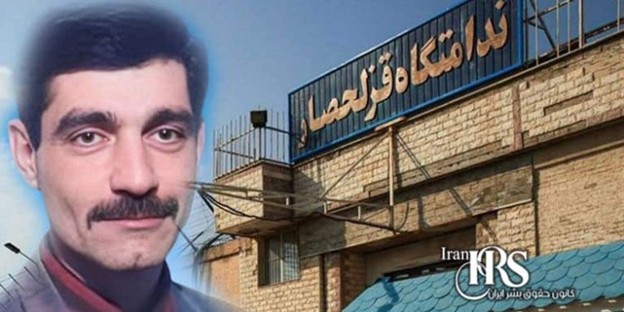
Saeed Masouri, Iran’s longest-serving political prisoner, endures solitary confinement in Qezel Hesar Prison after a failed exile attempt.
Iran Human Rights Society, Tuesday, August 5, 2025 – Saeed Masouri, one of Iran’s longest-serving political prisoners, faces brutal solitary confinement in Qezel Hesar Prison’s Unit 1 after a failed exile attempt to Zahedan Prison. A violent crackdown on political prisoners started, including beatings, transfers, and the executions of Mehdi Hassani and Behrouz Ehsani. These events expose Iran’s escalating human rights violations.
Saeed Masouri’s Illegal Exile and Solitary Confinement
On July 26, 2025, Qezel Hesar Prison guards raided the political ward and forcibly removed Saeed Masouri for exile to Zahedan Prison without legal notice. Zahedan authorities rejected him, and he returned to Qezel Hesar, only to face solitary confinement in Unit 1’s special ward. Masouri endures harsh conditions, denied medical care and family contact. Human rights groups call this a “judicial kidnapping” and demand his return to the political prisoners’ ward. His 25-year detention without furlough highlights Iran’s relentless persecution of dissenters.
Violent Raid and Executions in Qezel Hesar
On July 26, 2025, armed guards stormed Qezel Hesar’s Unit 4, attacking political prisoners. They beat inmates, destroyed belongings, and transferred many to solitary confinement. During this raid, authorities executed Mehdi Hassani and Behrouz Ehsani, both denied fair trials and legal counsel. These executions triggered outrage among prisoners and families, who decried the lack of judicial transparency.
Hunger Strikes and Prisoner Resistance
Political prisoners launched hunger strikes to protest the raid and executions, demanding justice. Their actions forced authorities to begin returning some prisoners, including Hamzeh Savari, Loqman Aminpour, Sepehr Emam-Jomeh, Mostafa Ramezani, and Reza Salmanzadeh, to Unit 4 starting July 30, 2025. However, Saeed Masouri remains in solitary confinement, raising fears for his safety. Fellow prisoners condemned his treatment as a “hostage-taking” by the Ministry of Intelligence, warning that his life is at risk. Their resistance shows the strength of Iran’s political prisoners despite severe oppression.
Human Rights Violations in Saeed Masouri’s Case
Saeed Masouri’s treatment violates several international human rights standards. His prolonged solitary confinement breaches Article 5 of the Universal Declaration of Human Rights, which prohibits torture and cruel treatment. The unannounced exile attempt violates Article 9 of the International Covenant on Civil and Political Rights, banning arbitrary detention. Denial of medical care and family contact contravenes Article 10, mandating humane treatment. The executions of Hassani and Ehsani without fair trials violate Article 14, ensuring the right to a fair trial. These abuses highlight Iran’s disregard for its international obligations.
Global Call for Action Against Iran’s Abuses
The alarming situation in Qezel Hesar Prison demands urgent international attention. Human rights organizations call for an independent investigation into the treatment of Saeed Masouri and other political prisoners. The executions, forced confessions, and denial of legal counsel expose a pattern of systematic repression. Advocates urge the global community to pressure Iran to end torture, ensure fair trials, and respect prisoners’ rights. The resilience of prisoners like Masouri, who has endured over two decades of imprisonment, inspires continued resistance against oppression.
Ongoing Suppression and the Need for Accountability
Iran’s authorities have provided no clear response to protests from prisoners, families, and human rights groups about Saeed Masouri’s situation. His family remains uninformed, denied contact with him. Qezel Hesar has become a focal point for intensified pressure, with reports of torture and illegal detentions. The executions of Hassani and Ehsani, based on coerced confessions, underscore the lack of judicial independence. International organizations must demand inspections of Iran’s prisons and accountability for these violations.
Resistance Amid Repression
Despite Iran’s attempts to silence political prisoners through executions and exiles, resistance persists. Hunger strikes and protests within Qezel Hesar demonstrate the unwavering spirit of prisoners and their supporters. Saeed Masouri’s case, enduring over 25 years of imprisonment, symbolizes this resilience. His continued detention in solitary confinement serves as a stark reminder of Iran’s brutal policies. The global community must amplify these voices, advocating for justice and human rights reforms in Iran.
Violations of International Human Rights Obligations
The treatment of Saeed Masouri and other political prisoners constitutes gross violations of Iran’s international obligations.
- Article 5 of the Universal Declaration of Human Rights prohibits torture and degrading treatment, yet solitary confinement and beatings persist.
- Article 9 of the International Covenant on Civil and Political Rights bans arbitrary detention, violated by Masouri’s unannounced exile.
- Article 10 mandates humane treatment, breached by denying medical care and family contact.
- Article 14 ensures fair trials, absent in the executions of Hassani and Ehsani.
- Article 6 protects the right to life, violated by non-transparent executions.
These cases reflect Iran’s reliance on intimidation over law.
Urgent Need for International Intervention
The crisis in Qezel Hesar Prison, exemplified by Saeed Masouri’s plight, demands immediate global action. Human rights groups call for independent investigations into Iran’s prison conditions and accountability for officials responsible. The systematic use of torture, forced confessions, and executions violates international law. Advocates urge the United Nations and other bodies to pressure Iran to release Masouri from solitary confinement, halt executions, and ensure fair trials. The resilience of Iran’s political prisoners inspires hope, but without intervention, their lives remain at risk.
Follow Iran Human Rights Society on social networks:
Telegram /Twitter /Instagram / YouTube / Facebook
Join Iran Human Rights Society on Twitter






Discussion about this post