
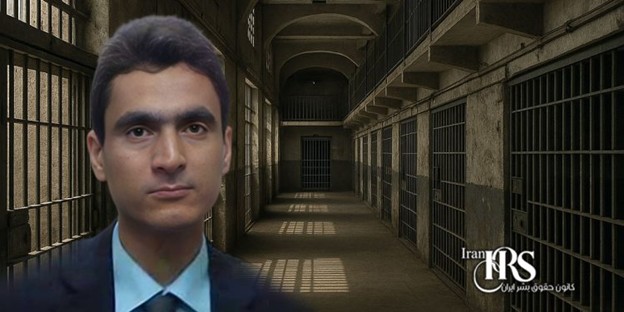
Shahin Zoghi Tabar’s detention in Tehran raises human rights concerns. IRGC’s violent arrest and lack of transparency violate rights. Family demands answers.
Iran Human Rights Society, Monday, July 28, 2025 – Shahin Zoghi Tabar, a former political prisoner, faces detention with no clear information on his whereabouts, raising serious human rights concerns in Iran. On July 24, 2025, IRGC Intelligence forces violently arrested him in Tehran’s Beryanak neighborhood, leaving his family in distress and without answers. This incident highlights Iran’s ongoing pattern of arbitrary detentions and violations of fundamental rights. Furthermore, the lack of transparency about Shahin’s status fuels fears of mistreatment, prompting urgent calls for accountability.
Violent Arrest in Tehran’s Beryanak Neighborhood
On July 24, 2025, IRGC Intelligence agents stormed Shahin Zoghi Tabar’s home in Tehran’s Beryanak neighborhood during the early hours. Without presenting a judicial warrant, they conducted an aggressive search, seizing his phone, laptop, and identification documents. Eyewitnesses report verbal abuse and threats during the raid, which left the family shaken. Authorities then transferred Shahin to an undisclosed location, offering no explanation for his detention. Consequently, this lack of accountability intensifies concerns about his safety and well-being.
The absence of a warrant and the violent nature of the arrest reflect a broader pattern of extralegal actions by Iran’s security forces. Such tactics aim to intimidate activists and their families, creating an atmosphere of fear. Therefore, Shahin’s case underscores the urgent need for transparency to protect detainees’ rights.
Family Faces Uncertainty and Harassment
Shahin Zoghi Tabar’s family remains in anguish, unable to obtain any information about his condition or location. Despite visiting Fashafouyeh Prison and other security facilities, they face stonewalling from authorities. Instead of clarity, officials have insulted and threatened them, accusing them of interfering in security matters. This hostile treatment exemplifies the psychological pressure exerted on families of detainees, aiming to isolate them from support networks.
The family’s desperate search for answers highlights a systemic issue in Iran’s judicial and security systems. By refusing to acknowledge Shahin’s detention or provide details, authorities deepen the family’s distress. Moreover, this pattern of harassment violates basic human rights principles, including the right to information about detained loved ones.
Shahin Zoghi Tabar’s Political Background

Born in 1987 in Tehran, Shahin Zoghi Tabar emerged as a prominent political prisoner in the 2010s. In 2013, authorities arrested him for “insulting the Supreme Leader” and sentenced him to six years in prison. He served four years in Evin and Gohardasht prisons, enduring solitary confinement for protesting prison conditions and advocating for fellow inmates. Former cellmates describe him as outspoken and resilient, standing firm against repression. Released on February 7, 2018, Shahin remained under constant surveillance, facing ongoing security pressure.
His history of activism makes his recent detention particularly alarming. The targeting of former political prisoners suggests a deliberate effort to silence dissent. As a result, Shahin’s re-arrest raises fears of renewed persecution for his past advocacy.
Silence Fuels Concerns About Shahin’s Well-Being
The prolonged silence about Shahin Zoghi Tabar’s whereabouts heightens fears for his physical and mental health. Given Iran’s documented history of harsh treatment in detention centers, his family worries about potential torture or inhumane conditions. Authorities have not disclosed any charges, the detaining facility, or his current status, suggesting an extralegal approach. This opacity aims to conceal security forces’ actions and prevent public scrutiny.
Shahin’s case reflects a broader trend of targeting activists to suppress dissent. The lack of transparency not only violates his rights but also undermines public trust in Iran’s judicial system. Consequently, his family’s primary demand is clear: immediate information about his safety and health.
Violations of International Human Rights Standards
Shahin Zoghi Tabar’s detention breaches several articles of the Universal Declaration of Human Rights. First, the nighttime raid without a warrant violates Article 12, which prohibits arbitrary interference with privacy and home. Second, his undisclosed transfer and lack of charges contravene Article 9, which bans arbitrary detention. Third, the refusal to provide a fair hearing violates Article 10. Additionally, the risk of mistreatment in detention disregards Article 5’s prohibition of torture and cruel treatment. Finally, the overall handling of his case infringes on Article 3, which guarantees the right to liberty and security.
These violations highlight Iran’s disregard for international human rights standards. By denying Shahin’s family access to information, authorities perpetuate a cycle of repression and fear.
Family and Public Demand Accountability
The silence surrounding Shahin Zoghi Tabar’s detention undermines the legitimacy of Iran’s judicial system and fuels public outrage. His family demands immediate answers about his whereabouts, health, and any potential charges. These demands align with basic human rights principles, yet authorities remain unresponsive. Shahin’s case symbolizes the broader struggle for justice and transparency in Iran.
As social and political tensions rise, the treatment of detainees like Shahin highlights the role of security forces in suppressing dissent. His family’s plea for information resonates with countless others facing similar uncertainties. Ultimately, their call for accountability challenges Iran’s authorities to uphold fundamental rights and end the cycle of repression.
Follow Iran Human Rights Society on social networks:
Telegram /Twitter /Instagram / YouTube / Facebook
Join Iran Human Rights Society on Twitter






Discussion about this post