
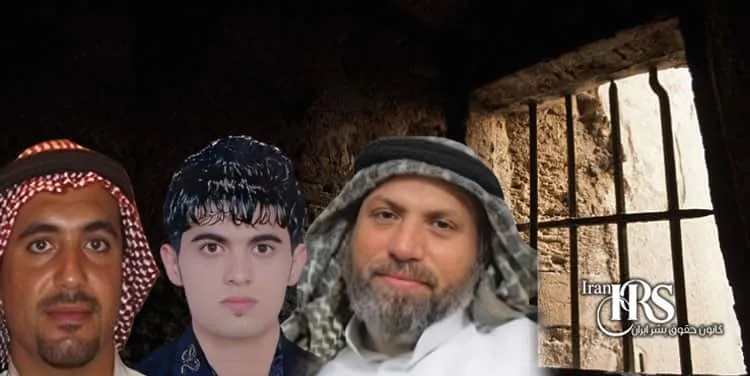
The systematic deprivation of medical care in Sheyban Prison, Ahvaz, endangers the lives of political prisoners. Three political prisoners—Mokhtar Albushokeh, Mohammad Ali Amouri-Nejad, and Abdul-Imam Zayeri—are prominent examples of the “silent killing” policy.
Iran Human Rights Society, Monday, May 26, 2025 – In Sheyban Prison, one of the most notorious detention centers of the ruling dictatorship, a disturbing and deliberate trend is unfolding: political prisoners are systematically denied access to medical care. This practice, dubbed “silent killing” by human rights activists, has become a covert but deadly tool for the gradual elimination of political opponents. The cases of Mokhtar Albushokeh, Mohammad Ali Amouri-Nejad, and Abdul-Imam Zayeri reveal the painful and alarming dimensions of this human rights violation.
Mokhtar Albushokeh: Torture and Threat of Silent Death

Mokhtar Albushokeh, a political prisoner previously sentenced to death but later commuted to life imprisonment, is one of the most prominent victims of this policy. After years of incarceration, he was transferred to the Faraja (Pava) security detention center in December 2024, where he endured brutal torture. During interrogations, security agents targeted his abdomen—a site of acute and painful hernia—with blows, accompanied by verbal abuse and sexual threats against his family.
Despite his urgent need for surgery, prison authorities have refused to transfer him to medical facilities. Instead, he faces new fabricated charges of “communicating with released political prisoners from inside the prison,” and his six-month temporary detention has been extended for a second time. Having been imprisoned since 2011 in Khuzestan’s prisons without a single day of furlough, Albushokeh is now in critical physical and mental condition, with the denial of medical care threatening his life.
Mohammad Ali Amouri-Nejad: Fifteen Years of Imprisonment Without Furlough, in a Frail Body
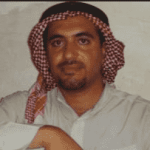
Mohammad Ali Amouri-Nejad, a cultural activist, blogger, and graduate of Isfahan University of Technology, is another stark example of the silent killing policy in Sheyban Prison. Imprisoned since 2010 and initially sentenced to death (later commuted to life imprisonment), he has not been granted a single day of furlough in fifteen years. Amouri-Nejad suffers from multiple ailments, including prostate issues, cataracts, sinusitis, and rib fractures caused by torture. Despite his urgent need for treatment and medication, prison authorities not only prevent his transfer to external medical facilities but also deny him access to necessary medications from outside.
Recently, he returned from a ten-day interrogation period at the Ahvaz Intelligence Detention Center, which appeared aimless and was primarily intended to psychologically weaken him rather than build a new case.
Abdul-Imam Zayeri: A Billion-Toman Bail to Escape Death

Abdul-Imam Zayeri, a 52-year-old political prisoner, is in a similarly critical condition. He suffers from severe prostate issues, chronic infections, and bleeding in his left ear. Despite repeated recommendations by prison doctors for hospital transfer, judicial authorities have refused to grant him medical furlough. Recently, the Khuzestan prosecutor set a bail of 80 billion tomans (approximately $1 million USD)—an exorbitant and practically unattainable amount for impoverished families.
The establishment of the prison’s classification council and the approval of this hefty bail, without accountability from security institutions such as the Ministry of Intelligence, is yet another sign of the regime’s indifference to the lives of these prisoners. Now in his twentieth year of imprisonment, Zayeri faces an unprecedented risk of silent killing.
Sheyban Prison, Ahvaz: A Graveyard for the Living
Sheyban Prison, particularly for political prisoners, has become a symbol of ruthless and systematic repression. The inhumane conditions—overcrowding, lack of medical facilities, humiliating treatment by guards, torture, and complete disregard for prisoners’ health—have made this facility one of Iran’s most dangerous prisons. Denial of medical care, deliberate delays in hospital transfers, and tying such services to inhumane conditions like astronomical bails are all part of a deliberate policy to gradually eliminate political prisoners. Sheyban Prison has become a tool of “gradual death,” through which the regime silently eliminates prisoners without the need for formal executions.
Flagrant Violation of International Law
The ruling dictatorship’s treatment of political prisoners in Sheyban Prison—including denial of medical care, deliberate delays, instrumental use of bail, and psychological torture—not only violates ethical and humanitarian principles but also directly contravenes Articles 7 and 10 of the International Covenant on Civil and Political Rights (ICCPR), Article 12 of the International Covenant on Economic, Social and Cultural Rights (ICESCR), and Rule 24 of the Nelson Mandela Rules. These actions constitute “white torture” and “gradual death,” which may be actionable under international criminal law.
The Iranian regime’s treatment of political prisoners, particularly in Sheyban Prison, represents a gross violation of its international human rights obligations. Several key legal instruments explicitly emphasize the need to respect human dignity and provide medical care to prisoners:
Rule 24: “The provision of health care for prisoners is a State responsibility… Prisoners should enjoy the same standards of health care that are available in the community.”
The neglect of political prisoners’ health in Sheyban Prison and their deprivation of surgery, treatment, or medication constitute a clear violation of this global standard.
International Covenant on Civil and Political Rights (ICCPR)
Iran acceded to this covenant in 1975 and is obligated to fully implement its provisions:
1- Article 7: “No one shall be subjected to torture or to cruel, inhuman or degrading treatment or punishment.”
Deliberately denying medical care to prisoners, especially those with serious or painful conditions, constitutes a clear example of inhuman and degrading treatment and falls under white torture.
2- Article 10(1): “All persons deprived of their liberty shall be treated with humanity and with respect for the inherent dignity of the human person.”
Failing to transfer sick prisoners to hospitals, ignoring their medical needs, and imposing exorbitant bails for medical furlough directly violate this article and demonstrate a lack of respect for prisoners’ human dignity.
3- International Covenant on Economic, Social and Cultural Rights (ICESCR)
Iran is also a party to this covenant, which emphasizes the universal right to health:
4- Article 12(1): “The States Parties to the present Covenant recognize the right of everyone to the enjoyment of the highest attainable standard of physical and mental health.”
5- Article 12(2)(d): States must take necessary measures to ensure conditions for providing medical care in cases of illness.
As prisoners retain these rights, the failure to provide effective medical care violates this article.
UN Standard Minimum Rules for the Treatment of Prisoners (Nelson Mandela Rules)
Adopted by the UN General Assembly in 2015, these standards, while not legally binding, serve as an international benchmark for the treatment of prisoners:
Rule 24: “The provision of health care for prisoners is a State responsibility… Prisoners should enjoy the same standards of health care that are available in the community.”
The neglect of political prisoners’ health in Sheyban Prison and their deprivation of surgery, treatment, or medication constitute a clear violation of this global standard.
Follow Iran Human Rights society on social networks:
Telegram /Twitter /Instagram / YouTube / Facebook
Join Iran Human Rights Society on Twitter




Discussion about this post