
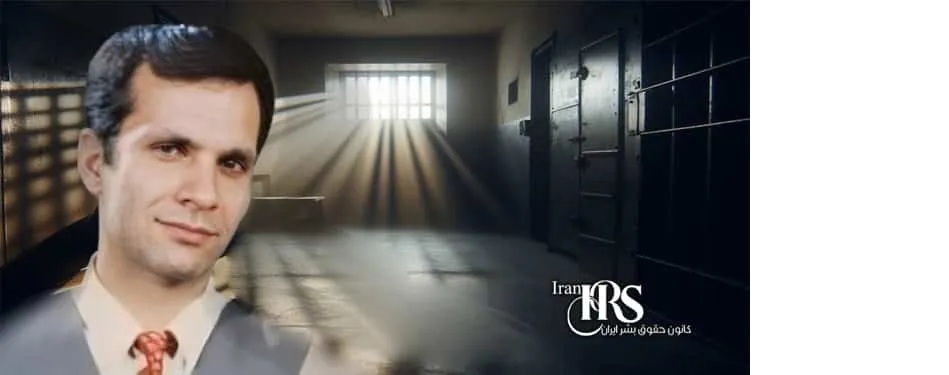
Siamak Amini, political prisoner in Fashafouyeh Prison, denied urgent medical care for autoimmune disease. Poor conditions spark human rights concerns.
Iran Human Rights Society, Thursday, July 10, 2025- On July 10, 2025, the Iran Human Rights Society reported that Siamak Amini, a political prisoner suffering from an autoimmune disease, faces life-threatening conditions in Fashafouyeh Prison. Denied critical medical treatment, Amini’s case highlights the dire situation for political prisoners in Iran. His family’s pleas for hospital transfer remain ignored, raising alarms among human rights advocates. This article explores Amini’s plight, the inhumane conditions in Fashafouyeh, and the broader human rights violations at play.
Who Is Siamak Amini?
Siamak Amini, a 63-year-old married resident of Tehran, is a political prisoner with a history of activism dating back to the 1980s. Born in 1962, he endured imprisonment from 1984 to 1989 in Islamic Republic prisons. Security forces raided his home in January 2024, leading to his arrest on August 5, 2024. Branch 26 of the Tehran Revolutionary Court, under Judge Iman Afshari, sentenced him to three years for “assembly and collusion against security” and eight months for “propaganda against the system.” Additional penalties include a two-year ban on group membership, smartphone use, and leaving Iran. The appeals court upheld the ruling, enforcing a total sentence of four years, one month, and 17 days. Amini’s autoimmune condition requires specialized injections every six months, but prison authorities have failed to provide access to care.
Dire Conditions in Fashafouyeh Prison

Fashafouyeh Prison, also known as Greater Tehran Penitentiary, is notorious for its inhumane conditions, especially for political prisoners. Amini’s sister, Akram, revealed that her brother initially slept on the floor without a mattress, despite needing a soft surface due to his medical condition. The prison’s sewage system is faulty, creating a persistent foul odor. Food shortages are severe, with meals sometimes limited to a single boiled egg. Unlike Evin Prison, where Amini could buy essentials from the prison store, Fashafouyeh offers no such options. These conditions exacerbate Amini’s health issues, making urgent medical care even more critical.
Medical Neglect of a Political Prisoner
Siamak Amini’s autoimmune disease demands regular medical checkups and injections to manage symptoms and prevent complications. However, prison authorities have taken no steps to transfer him to a hospital. Akram Amini stated, “Siamak needs specialized injections every six months. Despite our efforts, the prison has done nothing to help.” This neglect endangers his life and violates basic human rights standards. Families of other prisoners report similar issues, highlighting a systemic problem in Iran’s prison system. The lack of medical care for political prisoners like Amini raises serious ethical and legal concerns.
Transfer After Evin Prison Incident
On June 23, 2025, a bombing at Evin Prison prompted the transfer of dozens of prisoners, including Siamak Amini, to Fashafouyeh Prison. Authorities provided no prior notice to families, leaving them in distress. Many reported that the transfers ignored legal standards, moving inmates to facilities with worse conditions. Fashafouyeh’s inadequate sanitation, limited food, and lack of medical facilities have intensified the challenges for transferred prisoners. Amini’s family continues to demand clarity on why he was moved and why his medical needs remain unmet.
Human Rights Violations in Amini’s Case
The denial of medical care to Siamak Amini violates several international human rights standards. These include:
– Universal Declaration of Human Rights, Article 5: No one shall face cruel, inhuman, or degrading treatment. Denying medical care to a sick prisoner meets this definition.
– International Covenant on Civil and Political Rights, Article 10: All prisoners deserve humane treatment and respect for their dignity. Fashafouyeh’s conditions fail this standard.
– Basic Principles for the Treatment of Prisoners, Principle 9: Prisoners must have access to standard healthcare. Amini’s lack of treatment breaches this rule.
– Nelson Mandela Rules, Rules 24–27: Prisoners are entitled to healthcare equivalent to community standards. Amini’s case clearly violates these regulations.
These violations collectively amount to inhumane treatment, potentially constituting torture. The international community has repeatedly criticized Iran’s prison system for such abuses, yet little has changed.
Why This Matters
Siamak Amini’s case is not an isolated incident. It reflects a broader pattern of neglect and mistreatment of political prisoners in Iran. Human rights organizations have called for immediate action to address the crisis in Fashafouyeh Prison. The denial of medical care, coupled with poor living conditions, threatens the lives of many inmates. Amini’s family continues to advocate for his transfer to a medical facility, but their pleas have gone unanswered. This situation demands urgent attention from both local authorities and global human rights bodies.
A Call for Action
The plight of Siamak Amini underscores the need for reform in Iran’s prison system. Authorities must ensure that political prisoners receive proper medical care and humane treatment. International pressure could push for compliance with global standards. For Amini, time is critical. Without prompt medical intervention, his health may deteriorate further. His case serves as a stark reminder of the human cost of systemic neglect. Advocates urge immediate action to save Amini and others in similar conditions.
Follow Iran Human Rights Society on social networks:
Telegram /Twitter /Instagram / YouTube / Facebook
Join Iran Human Rights Society on Twitter







Discussion about this post