
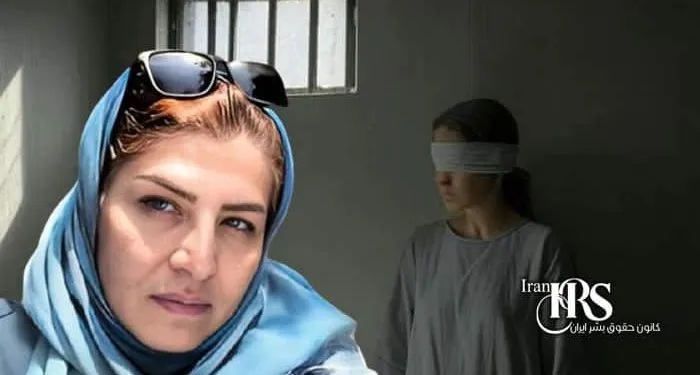
Masoumeh Asgari and Farah Nesaji face solitary confinement in Qarchak Prison for protesting inhumane conditions. Learn about their fight and the “No to Execution Tuesdays” campaign.
Iran Human Rights Society, Tuesday, July 29, 2025 – In Qarchak Prison, political prisoners Masoumeh Asgari and Farah Nesaji bravely protested dire conditions, leading to their transfer to solitary confinement. Their actions highlight the ongoing struggle in Iran’s notorious prison system. On July 26, 2025, these women, along with Sayeh Seydali, faced punitive measures for demanding basic rights. Their resistance aligns with the “No to Execution Tuesdays” campaign, a powerful movement against Iran’s brutal execution policies. This article explores their fight, the prison’s harsh realities, and the global call for justice.
The Harsh Reality of Qarchak Prison
Qarchak Prison holds over 60 female political prisoners in deplorable conditions. The quarantine area, where many are confined, lacks sanitation, ventilation, and medical supplies. Women endure inadequate food and denial of essential medications. For instance, Masoumeh Asgari, a retired teacher with diabetes and kidney issues, receives no treatment. Farah Nesaji and others face similar neglect. Prison authorities use threats and solitary confinement to suppress dissent, creating an environment of fear and suffering.
Masoumeh Asgari: A Beacon of Defiance

A prominent political prisoner, Masoumeh Asgari,, embodies resilience. Despite multiple arrests for her activism, she continues to challenge the system. Her health deteriorates due to untreated conditions, yet she persists in protesting. On July 26, 2025, her objections to Qarchak’s inhumane treatment led to her solitary confinement. This punitive measure, often called white torture, endangers her well-being. Such actions raise serious concerns about prisoner treatment, yet Asgari remains a symbol of courage.
Farah Nesaji and the Fight for Dignity
Farah Nesaji, another activist, joined Asgari in protesting Qarchak’s conditions. Their transfer to solitary confinement underscores efforts to silence dissent. Nesaji, alongside Asgari, participated in a protest ceremony in the quarantine corridor. They sang songs like “The Blood of Arghavans” and chanted slogans such as “We stand until the death penalty is abolished!” and “The execution regime must be destroyed!” Despite constant surveillance, their voices inspire resistance across the prison.
“No to Execution Tuesdays”: A Growing Movement
The “No to Execution Tuesdays” campaign, ongoing for over 79 weeks, gains momentum as prisoners stage hunger strikes and sit-ins. The recent executions of Mehdi Hassani and Behrouz Ehsani, conducted without notifying families or providing legal representation, sparked outrage. These events fueled the prisoners’ resolve to protest. The campaign demands an end to the death penalty, amplifying the voices of those inside Qarchak and beyond.
Inhumane Conditions Fuel Resistance
The quarantine area in Qarchak Prison is a stark symbol of oppression. Overcrowded and unsanitary, it denies women basic needs like clean water and medical care. Authorities’ refusal to address these issues pushes prisoners to act. Their protests, including songs and slogans, defy threats of punishment. This resistance shows their determination to fight for dignity, even in the face of severe consequences like solitary confinement.
A Call for Global Solidarity
The struggle in Qarchak Prison reflects a broader fight for human dignity. The “No to Execution Tuesdays” campaign connects prisoners with activists and families outside, all united against oppressive tactics. Solitary confinement and executions aim to break their spirit, but history proves that repression only strengthens their resolve. The public and international organizations must amplify these voices to ensure they are not silenced.
A Dire Warning for Change
The transfer of Masoumeh Asgari, Farah Nesaji, and others to solitary confinement signals a critical situation for women in Qarchak Prison. Their protests, born from inhumane conditions and unjust executions, demand attention. As their chants echo from quarantine cells and solitary wards, the world must respond. These women are not just prisoners; they are flames of resistance that refuse to be extinguished. Their fight calls for urgent action to protect their rights and dignity.
Follow Iran Human Rights Society on social networks:
Telegram /Twitter /Instagram / YouTube / Facebook
Join Iran Human Rights Society on Twitter





Discussion about this post