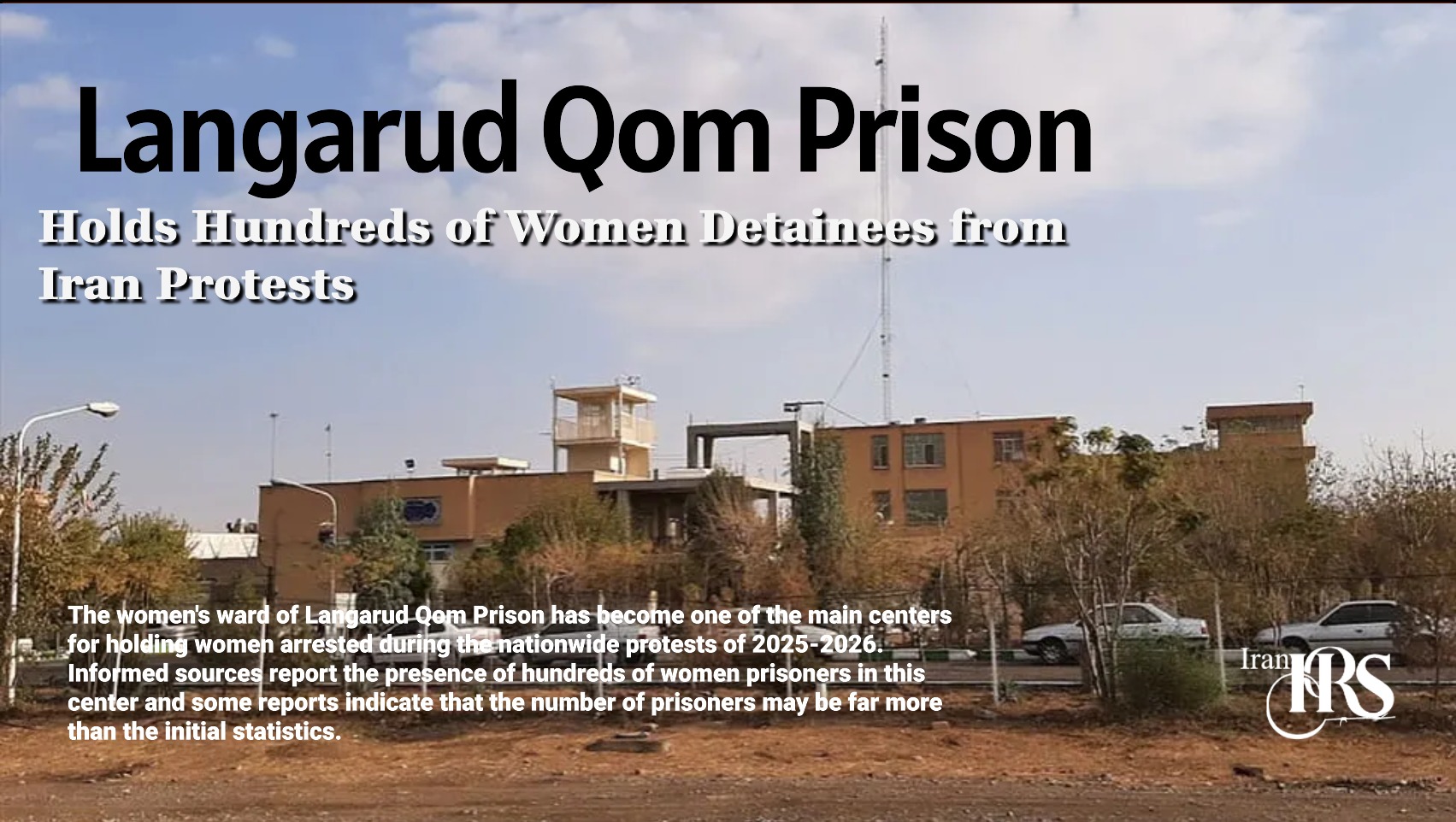
Reports received from Langarud Qom Prison indicate the detention of hundreds of women arrested in the nationwide protests of 2025-2026. Informed sources say that a significant number of these prisoners consist of young girls and underage individuals who have been held for months in unsuitable conditions and in judicial limbo.
Iran Human Rights Society, Saturday 13 June 2026 – Fresh information received by Iran Human Rights Society from Langarud Qom Prison has increased serious concerns about the situation of women arrested during the nationwide protests of 2025-2026. According to these reports, hundreds of women are being held in the women’s ward of this prison and some sources believe their number is much higher than the announced statistics. It is said that a significant portion of these prisoners consist of young girls and even underage individuals who are still in a state of limbo. Iran Human Rights Society asks families, citizens and informed sources to provide information related to these prisoners to this institution for documentation and sending to human rights institutions.
What information has been published about women prisoners in Langarud Qom Prison?
Based on received reports, the women’s ward of Langarud Qom Prison has become one of the main centers for holding
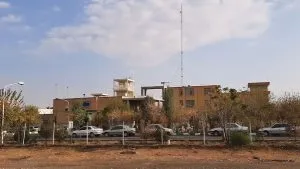
women arrested during the nationwide protests of 2025-2026. Informed sources report the presence of hundreds of women prisoners in this center and some reports indicate that the number of prisoners may be far more than the initial statistics.
It is said that many of these women have been arrested on charges such as participating in protests, organizing gatherings, directing street protests or damaging centers affiliated with the ruling power. However, there is no clear information available about the legal status of a large part of them.
Are there underage individuals among the prisoners?
One of the most concerning parts of the received reports relates to the widespread presence of young girls among the detainees. Local sources say that many of the women prisoners are under 20 years old and there are serious ambiguities about the status of some of them.
If these reports are true, holding underage individuals in unsuitable detention conditions and failure to quickly determine their case status can have serious legal and human consequences.
Child rights activists have repeatedly emphasized that in dealing with individuals under 18 years old, special supportive standards must be observed and their arrest and long-term detention is only possible in exceptional circumstances.
How have the detention conditions of women prisoners in Langarud Qom Prison been described?
Based on existing reports, many women prisoners are deprived of access to minimum welfare and living facilities. Informed sources say that a significant portion of the detainees have been deprived of the right to leave and have not had the opportunity to temporarily leave the prison for months.
Also, reports have been published about shortage of hygienic facilities, restrictions on access to medical services, psychological pressures caused by judicial limbo and difficult living conditions in the prison.
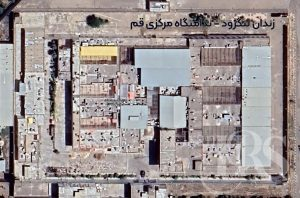
Families of some prisoners have also expressed concern about the physical and mental condition of their children and have demanded immediate attention to their situation.
Why is documenting the situation of women prisoners important?
In many cases related to widespread arrests, the lack of accurate information about the identity, legal status and detention conditions of prisoners makes the process of legal and human rights follow-up difficult.
For this reason, collecting documented information about women prisoners, their health status, the judicial process, duration of detention and detention conditions can play an important role in attracting the attention of international institutions and human rights organizations.
Iran Human Rights Society asks families, friends, classmates, colleagues and all individuals who have information about women prisoners in Langarud Qom Prison to send this information for registration, documentation and transfer to human rights institutions so that they can be the voice of prisoners who are in conditions of restriction and lack of news.
Legal Examination of the Situation of Prisoners Based on Domestic Laws
Legal Ambiguities of the Cases
One of the most important existing ambiguities is the continuation of the detention of a large number of women prisoners without quick judicial determination of their status. Also, the status of some underage prisoners and the duration of their detention requires clarification and independent examination.
Related Legal Provisions
Based on Article 32 of the Constitution, the arrest of individuals must be based on a legal order and accompanied by quick notification of the charge. Also, in accordance with the Code of Criminal Procedure, bail orders and detentions must be proportionate, reasoned and limited to legal necessities.
Regarding individuals under 18 years old, domestic laws and regulations related to the trial of children and adolescents emphasize the necessity of observing special supports and avoiding unnecessary detention.
Possible Cases of Law Violation
- Continuation of judicial limbo and prolongation of detention.
- Deprivation of prisoners who are eligible from legal leave.
- Possibility of violation of supportive rights of adolescents and underage individuals.
- Deprivation of basic living and welfare facilities.
- Inadequate attention to the situation of vulnerable women prisoners.
- Violation of Human Rights; Young Women in the Shadow of Detention and Limbo
Reports related to Langarud Qom Prison present a concerning picture of the situation of women arrested in the nationwide protests. Continuation of long detentions, deprivation of leave, unsuitable living conditions and possible presence of underage individuals among the prisoners have created serious human rights concerns.
Violated Provisions
- Article 9 of the Universal Declaration of Human Rights: Prohibition of arbitrary arrest and imprisonment; long-term limbo is in conflict with this principle.
- Article 10 of the Universal Declaration of Human Rights: Right to a fair trial and hearing within a reasonable time.
- Article 25 of the Universal Declaration of Human Rights: Right to an adequate standard of living, health and human welfare.
- Convention on the Rights of the Child: Necessity of special support for individuals under 18 years old and avoidance of unnecessary and long-term detentions.
Call for Collecting Information about Women Prisoners in Langarud Qom Prison
Iran Human Rights Society asks families, relatives, friends, former cellmates and all individuals who have access to information, documents, images, records or documentation related to women prisoners in Langarud Qom Prison to send their information for documentation and reflection to human rights institutions. Specifications of prisoners, physical and mental status, duration of detention, case status, deprivation of leave, detention conditions, treatment needs and any verifiable reports can be effective in clarifying the situation of these prisoners. The purpose of this call is to break the wall of lack of news, document cases of human rights violations and convey the voice of arrested women to public opinion and international forums.
Contact Addresses:
Email: info@iranhrs.org
WhatsApp: +31 6 17325233
Telegram: @MaryamHashemai
Instagram: maryamhashemie2020
This information will be provided to the media, human rights organizations and international institutions through secure and reliable channels. In the belief of human rights activists, publishing documents, testimonies and valid documentation about cases of violation of prisoners’ rights, abuse of power, administrative corruption and the role of individuals involved in these actions can help clarify the hidden dimensions of these violations and provide the ground for independent investigations and accountability of officials.
Human rights activists emphasize that individuals who have played a role in violating prisoners’ rights, applying pressure, torture, harassment and inhumane behaviors should not remain immune from public oversight and accountability. Documenting these cases and presenting them to competent international institutions can provide the ground for legal follow-up and accountability of the perpetrators of these actions.
Continuous and documented disclosure of cases of human rights violations, in addition to helping to achieve justice, sends a clear message to violators of prisoners’ rights that no illegal action and no behavior that violates human dignity will be erased from the memory of society and public opinion and their perpetrators will sooner or later inevitably have to be accountable before competent authorities and public opinion.
See also the below articles:
- Amnesty International Warns of Execution Risks for Iran Political Prisoners
- Faezeh Salehabadi: Prolonged Detention of Protesting Artist in Vakilabad Prison
Follow Iran Human Rights Society on social networks:
Telegram /Twitter /Instagram / YouTube / Facebook
Join Iran Human Rights Society on Twitter