
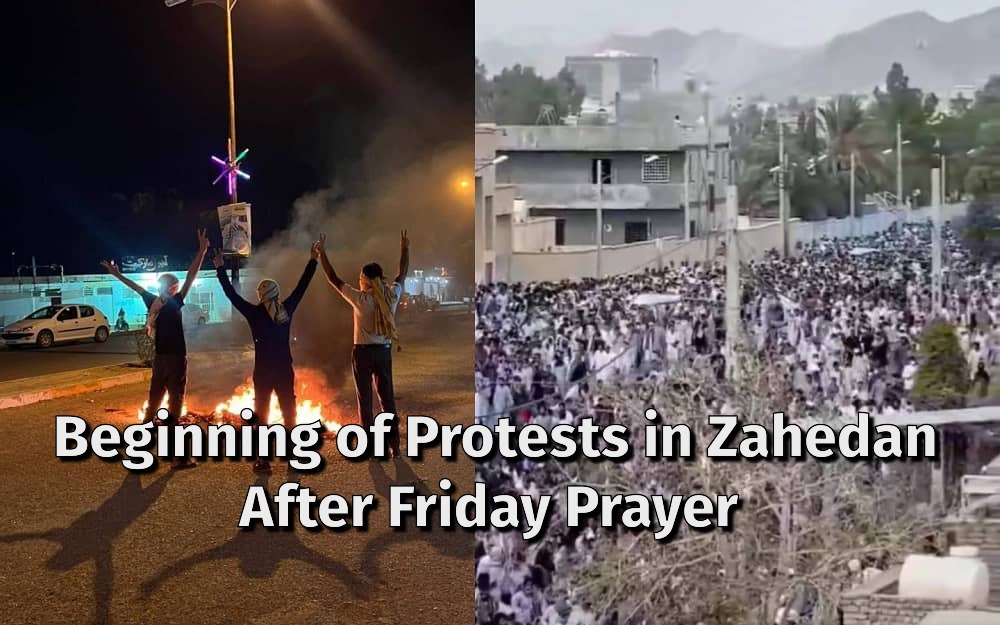
On the afternoon of Friday, January 9, 2026, Zahedan once again witnessed large-scale protests by Baluch citizens; protests that were met with severe suppression by military forces, including direct firing of pellet guns, tear gas, and widespread internet shutdowns.
Iran Human Rights Society, Friday, January 9, 2026 – On the afternoon of Friday, January 9, 2026, coinciding with the end of Friday prayers at Makki Mosque in Zahedan, a new wave of popular protests erupted in the city. Hundreds of Baluch citizens gathered in the streets surrounding Makki Mosque, expressing their protest against the political, security, and social situation in the country and joining the nationwide demonstrations. In recent years, Zahedan has become one of the main centers of popular protests, and Friday prayers have repeatedly served as the starting point for protest gatherings.
Security Response and Suppression of Protesters
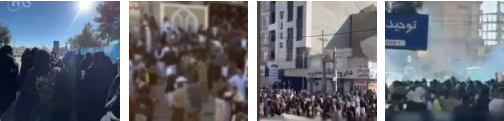
According to field reports and published videos, military and security forces stationed around Makki Mosque and the adjacent streets immediately began widespread firing of tear gas and direct shooting with pellet guns toward the protesters as soon as the gatherings started. Published images show thick clouds of tear gas amid the crowd—scenes that clearly indicate the intensity of the security forces’ response against protesters in Zahedan.
Injuries Among Protesters and Uncertainty Regarding the Number of Victims
According to initial reports, several protesting citizens were injured during this suppression. Local sources have reported direct shooting by security forces, but as of the time of this report, no official precise figures on the number of injured or their medical condition have been released. The lack of transparent information has heightened concerns about the condition of the injured and the possibility of their detention or transfer to security centers.
Slogans and Continuation of Popular Protests
Protesters in Zahedan continued their demonstration by chanting slogans such as “Death to the Dictator” and “From Zahedan to Tehran, I sacrifice my life for Iran.” These slogans reflect the connection between local protests in Zahedan and the nationwide demonstrations in other cities of Iran. Despite the intense security atmosphere, gatherings continued in several locations around Makki Mosque, while security forces attempted to disperse the crowd by creating fear and terror.
Active Participation of Baluch Women in the Protest Frontlines
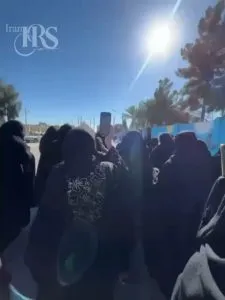
One of the most notable aspects of today’s protests in Zahedan was the active presence of Baluch women alongside other protesters. A group of female worshippers joined the streets after Friday prayers, chanting protest slogans and expressing their dissatisfaction with the current situation. The participation of women, even under widespread use of tear gas and pellet guns by security forces, demonstrates the broadening scope of the protests and the prominent role of women in the protest developments in Zahedan.
Widespread Internet Shutdown and Restrictions on Information Sharing
Simultaneously with the escalation of protests in Zahedan, reports indicate widespread internet outages or severe disruptions in the city and several other areas of Sistan and Baluchestan province. This internet shutdown has seriously restricted citizens’ access to communication, information sharing, and the transmission of field images and reports. Internet cutoffs are a recurring measure during protests, which, according to activists, are carried out to control the flow of information and prevent the dissemination of news about the suppression.
Heavy Security Atmosphere Around Makki Mosque
Field reports indicate a massive deployment of military and security forces around Makki Mosque and the streets leading to it. The atmosphere in the city of Zahedan has been described as extremely securitized, and concerns about further escalation of repression and the detention of protesters have increased. Despite this pressure, popular protests in Zahedan continue, and Baluch citizens insist on their right to peaceful protest.
Zahedan; A Persistent Center of Popular Protests
Today’s protests have once again highlighted Zahedan’s position as one of the enduring centers of demonstrations in Iran. The continuation of gatherings, the presence of women, brutal suppression, and simultaneous internet shutdowns are all signs of a deep crisis in the relationship between the ruling authorities and the local community in Sistan and Baluchestan—a crisis that is taking on new dimensions with the ongoing protests.
Human Rights Violations During the Zahedan Protests
The violent suppression of protesters and the restriction of fundamental rights of Baluch citizens in Zahedan once again represent a clear example of widespread human rights violations during popular protests.
- Article 3 of the Universal Declaration of Human Rights – Right to Life, Liberty and Security of Person– The firing of pellet guns and the use of lethal violence against protesters directly threaten the life and security of citizens and violate their fundamental right to life and personal security.
- Article 19 of the Universal Declaration of Human Rights – Freedom of Expression and Access to Information– The widespread internet shutdown in Zahedan and other cities of Sistan and Baluchestan province severely restricts citizens’ right to free access to information, communication, and the free expression of opinions.
- Article 20 of the Universal Declaration of Human Rights – Right to Freedom of Peaceful Assembly – The attack by military and security forces on peaceful protest gatherings following Friday prayers constitutes a clear violation of citizens’ right to assembly and protest.
- Article 5 of the Universal Declaration of Human Rights – Prohibition of Cruel, Inhuman or Degrading Treatment
The use of tear gas, direct shooting, and the creation of an atmosphere of fear and terror against protesters constitute cruel, inhuman, and degrading treatment of protesting citizens.
See also the below articles:
- Iran Protests 2026: Over 100 Detainees Named Across Cities
- Executions in Iran January 2026: Human Rights Concerns
Follow Iran Human Rights Society on social networks:
Telegram /Twitter /Instagram / YouTube / Facebook
Join Iran Human Rights Society on Twitter





Discussion about this post