
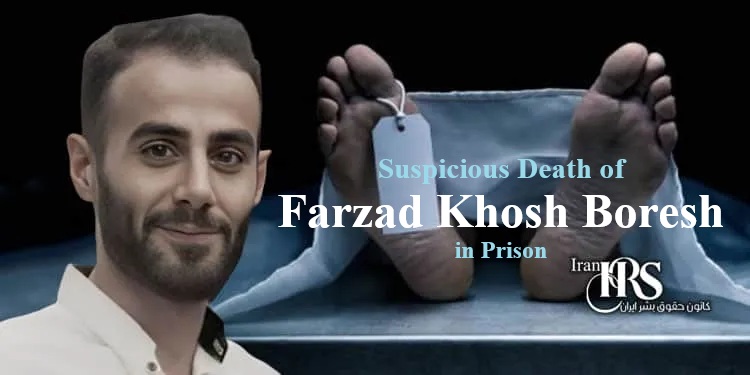
Witnesses spot bruises on Farzad Khosh Boresh’s body after his death in Sari Intelligence Center. Family suspects torture for confessions amid official denials.
Iran Human Rights Society, Wednesday, November 19, 2025 – Farzad Khosh Boresh died under suspicious circumstances in the Sari Intelligence Detention Center. Authorities claim health issues caused his death on November 18, 2025. However, witnesses report clear signs of beating and torture. This 31-year-old political activist from Neka County faced re-arrest just six days earlier. His case highlights forced confessions in Iranian detention centers. Families and activists demand transparency now.
Security forces quickly moved his body to forensic medicine. They offered no details. Yet, sources close to the family contradict the official story. Bruises and contusions cover his body. These marks suggest severe abuse. Farzad resisted pressure for false admissions. Such tactics appear often in security facilities. Therefore, human rights groups call for independent probes.
Signs of Beating Undermine Official Claims
Witnesses viewed Farzad Khosh Boresh’s body before transfer. They saw obvious bruising and multiple blows. Contusions marked his skin everywhere. This evidence clashes with the “illness” narrative from Sari Intelligence Agency. Officials say he fell sick in detention and died in hospital. However, no proof supports that. Instead, the injuries point to violence.
A family source shared details. “We spotted clear beating signs right away,” the source said. “Nothing indicated natural death. They blocked us from closer inspection.” Farzad, just 31, endured this after re-arrest. He had posted critical content online before. Security targeted him for protest views. Now, his body tells a different story. Activists link this to broader torture patterns in Iran.
Cover-Up Efforts and Security Intimidation
Sari Intelligence Agency acted fast after Farzad’s death. They rushed his body to forensic medicine. No official cause report followed. This secrecy fuels fears of evidence tampering. Sources say agents might erase torture traces. Therefore, doubts grow about the process.
At the burial, security forces showed up. Agents filmed cemetery attendees. They snapped photos of everyone there. Warnings flew against sharing news. “Do not publish details,” they ordered. This pressure silences the family. Threats keep information locked. However, leaks reveal the pattern.
Informed sources confirm the intimidation. Security aims to control the narrative. They prevent wider awareness. Farzad’s case fits a long history. Families of detainees often stay quiet. Guards use fear to hide abuses. Yet, activists push back. They demand public oversight.
Timeline of Farzad’s Repeated Arrests
Farzad Khosh Boresh faced arrest twice in under three months. First, in August 2025, Intelligence grabbed him. They cited “critical political posts” as reason. He posted stories against the regime. Bail set him free then. However, freedom lasted short.
On November 12, 2025, agents struck again. They re-arrested him without warning. Just six days later, he died. This rapid cycle raises red flags. Repeated detentions often lead to harsh treatment. Interrogators ramp up pressure for confessions. Farzad’s history shows the toll.
Local reports tie his activism to the grabs. He voiced protests online. Security views that as threat. Therefore, they escalate force. His quick death after re-arrest screams suspicion. Activists see a clear link to violence.
Family Silenced Amid Ongoing Threats
The Khosh Boresh family stays mum for now. Threats from security bind their tongues. They avoid interviews or leaks. Guards warn of worse if they speak. This tactic works often. Families fear reprisals. However, pressure builds inside.
Human rights experts know this playbook. Security silences victims’ kin routinely. They block torture disclosures. Farzad’s death repeats the cycle. No judicial check exists. Detention centers run unchecked. Therefore, abuses thrive.
Activists urge the family to break free. Support networks offer aid. Yet, risks loom large. The silence protects no one. It only shields the guilty.
Human Rights Violations in Farzad’s Case
Farzad Khosh Boresh’s suspicious death exposes deep breaches. Sari Intelligence Center lacks transparency. Beating signs scream abuse. Families get no info on detention or interrogation. This violates core rights.
Violation of Right to Life (Article 3): Security holds responsibility. Suspicious death under their watch ends a life without cause. Farzad deserved protection. Instead, he met brutality.
Ban on Torture (Article 5): Bruises prove ill-treatment. Injuries show deliberate harm. Guards crossed lines during questioning. No excuse justifies this.
Against Arbitrary Detention (Article 9): Twice arrested without clear process. No legal base shows. Intelligence acts on whim. Farzad suffered the cost.
Fair Trial Denied (Article 10): No access to lawyers or details. Trials hide in shadows. Information stays withheld. Justice crumbles here.
Privacy Invasion (Article 12): Threats hit the family hard. Filming at burial invades space. News bans meddle wrongly. Private grief turns public weapon.
These breaches stack up. Farzad’s story mirrors many. Detention turns deadly without eyes on it.
Call for Accountability and Reform
Farzad’s death stirs outrage among activists. Bruises and secrecy point to torture. Forensic checks hide truths. Family threats seal the cover. Intelligence centers force confessions routinely. This hypothesis holds strong.
The incident demands change. Independent monitors must enter detention sites. Violent interrogations need to stop. Officials face real trials. Human rights demand it.
See also the below articles:
- Death Sentence for Mohammad Mehdi Soleimani: Iran’s Hidden Human Rights Crisis
- 95th week of the “No To Execution Tuesdays” campaign in 54 prisons
Follow Iran Human Rights Society on social networks:
Telegram /Twitter /Instagram / YouTube / Facebook
Join Iran Human Rights Society on Twitter



Discussion about this post