
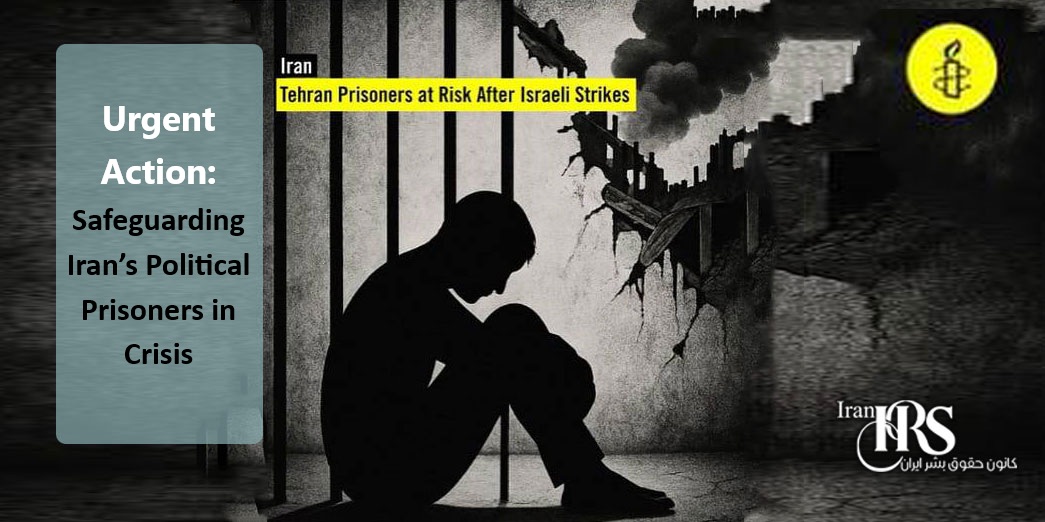
Iran’s political prisoners endure severe human rights abuses following Israeli airstrikes on Evin Prison on June 23, 2025. Amnesty International’s urgent action statement reveals inhumane conditions, risks of torture, and enforced disappearances for hundreds of transferred detainees. This article examines the crisis, its devastating impact, and the pressing need for global intervention to protect human rights in Iran.
Evin Prison Airstrikes Trigger Chaotic Transfers
Iran Human Rights Society – On June 23, 2025, Israeli airstrikes devastated Evin Prison, a major detention center in Tehran housing political activists, dissidents, human rights defenders, and women, including mothers with young children. The attack destroyed significant portions of the facility, resulting in at least 71 deaths, including inmates and staff. Consequently, authorities hurriedly transferred prisoners to other prisons, such as Qarchak for women and Fashafouyeh for men, without prior notice. During these transfers, prisoners faced beatings, were handcuffed and shackled, and could not retrieve personal belongings, intensifying their suffering.
These chaotic transfers highlight Iran’s systemic disregard for prisoner rights. Families, unable to contact loved ones, remain in distress, while the international community grows increasingly alarmed. The lack of transparency during the process raises serious concerns about the safety and treatment of those transferred.
Inhumane Conditions in Qarchak and Fashafouyeh
Prisoners relocated to Qarchak and Fashafouyeh face dire conditions. At Qarchak, female detainees are confined to two small rooms and a corridor, with only two toilets and showers available. Ventilation is poor, and space is inadequate. Similarly, male prisoners in Fashafouyeh are held in overcrowded rooms designed for 80 people, forcing them to sleep on the floor. Reports detail severe shortages of food, clean drinking water, and medical care, alongside filthy toilets, insect infestations, and deplorable sanitation.
These conditions violate international standards, including the UN Standard Minimum Rules for the Treatment of Prisoners. Moreover, authorities fail to separate prisoners based on the nature of their charges, increasing risks of violence and mistreatment. Elderly prisoners and those with health conditions suffer most, as medical care is consistently withheld, further endangering their lives.
Enforced Disappearance Raises Alarms
A particularly alarming issue is the unknown fate of dozens of prisoners from Evin’s high-security wards, including wards 2A, 209, 240, and 241. These wards typically house political prisoners, civil activists, and individuals under interrogation by the Ministry of Intelligence or Revolutionary Guards. Since the transfers, authorities have provided no information about these prisoners’ whereabouts or conditions, prompting fears of enforced disappearance, a serious crime under international law.
This lack of transparency leaves families in anguish and undermines accountability. The failure to disclose prisoner locations suggests deliberate efforts to conceal abuses, potentially including torture or worse. Such actions violate the International Convention for the Protection of All Persons from Enforced Disappearance and demand urgent attention.
Systemic Human Rights Violations
The crisis reflects broader human rights abuses in Iran’s prison system. Political prisoners face arbitrary detention for expressing dissent or engaging in activism, violating Article 9 of the International Covenant on Civil and Political Rights. Inhumane conditions, including overcrowding, denial of medical care, and beatings during transfers, breach Article 7, which prohibits torture and cruel treatment. Additionally, failing to separate prisoners by charge contravenes international standards, increasing risks of harm.
Amnesty International has long documented Iran’s use of torture to extract false confessions, particularly in high-security wards. The recent airstrikes have worsened these abuses, with authorities exploiting the chaos to tighten control over detainees. This pattern aligns with historical reports of systemic impunity, including the 1988 prison massacres, where thousands faced extrajudicial executions.
Amnesty International’s Urgent Demands
Amnesty International calls for immediate action to address the crisis:
1. Release arbitrarily detained prisoners, including activists, protesters, and religious minorities.
2. Disclose whereabouts and health status of all transferred prisoners to prevent enforced disappearance.
3. Ensure access to families and lawyers to maintain transparency and support detainees.
4. Provide immediate medical care to sick and elderly prisoners without delay.
5. Adhere to international standards, including separating prisoners by charge and improving conditions.
6. Allow international monitors to inspect prisons and assess humanitarian conditions.
These demands aim to protect prisoners’ rights and hold Iranian authorities accountable. Swift action is critical to prevent further abuses and ensure justice.
Families and Activists Demand Answers
The crisis has sparked outrage among prisoners’ families and human rights activists. Many families, unable to obtain information about their loved ones, have reached out to international organizations, expressing fear and frustration. Human rights groups are urging global pressure to secure the release of detainees and halt illegal treatment. Their efforts highlight the need for collective action to challenge Iran’s systemic abuses.
Amnesty International’s Ongoing Advocacy
For years, Amnesty International has monitored Iran’s human rights situation, focusing on political prisoners and prison conditions. The organization has consistently called for an end to arbitrary detentions, torture, unfair trials, and executions. This latest statement builds on those efforts, urging authorities to address the immediate crisis and systemic issues. By amplifying prisoners’ voices, Amnesty International seeks to combat impunity and promote accountability.
A Call for Global Solidarity
The plight of Iran’s political prisoners demands urgent global attention. The airstrikes on Evin Prison have worsened an already dire situation, with detainees facing inhumane conditions, torture, and the risk of enforced disappearance. International governments, organizations, and individuals must pressure Iran to uphold human rights standards and protect vulnerable prisoners. By supporting Amnesty International’s demands, the global community can help ensure justice and dignity for those unjustly detained.
Follow Iran Human Rights Society on social networks:
Telegram /Twitter /Instagram / YouTube / Facebook
Join Iran Human Rights Society on Twitter





Discussion about this post