
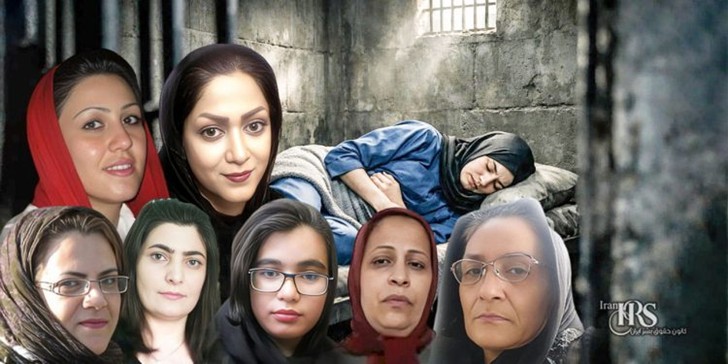
Denying treatment to political and ideological prisoners has become one of the institutionalized mechanisms in Iran’s prison system. In recent years, the use of this method has increased, and many prisoners have lost their lives as a result of delay or deprivation of medical services.
Iran Human Rights Society, Monday, March 9, 2026 – Female ideological and political prisoners in Iran are often arbitrarily arrested and, after periods of interrogation accompanied by mistreatment and torture, are sentenced to long-term imprisonment in unfair judicial processes without effective access to a lawyer; sentences that are disproportionate to the charges brought against them.
These prisoners are held in prisons that lack the minimum sanitary and living standards. In many cases, there is not even a bed for sleeping, and prisoners are forced to sleep on the floor. The quality of food is low, and prison infirmaries also lack the necessary facilities to treat patients. As a result, some prisoners lose their lives due to lack of medical care, and the basic costs of food, hygiene, and treatment are often placed on the prisoners themselves.
Deprivation of Medical Treatment for Female Political Prisoners
The unsuitable conditions of prisons severely threaten the health of prisoners; healthy prisoners become ill, and the illnesses of sick prisoners worsen. In the meantime, by applying “white torture” and preventing transfer to hospitals outside the prison or by prolonging it excessively, prisoners are deprived of essential treatment, and physical and mental erosion and gradual death are imposed on them.
Catastrophic Conditions in Qarchak and Evin Prisons
Transfer of Female Prisoners to Qarchak Prison
Last year, the ruling dictatorship created much harsher conditions than before for female political prisoners. During the 12-day war and the destruction of Evin Prison on June 23, 2025, female political prisoners were transferred from the women’s ward of Evin Prison to Qarchak Prison. They were housed in an abandoned hall that was previously a poultry farm and then a place for holding addicts; a place with the lowest level of hygiene. Upon arrival, this location was full of garbage, stench, rodents, and lacked ventilation. The prisoners, with personal effort and without official support, cleaned part of the environment, but the conditions still violated the most basic human rights.
Their connection with other parts of the prison was completely cut off, and there were only 3 toilets and 3 bathrooms for the prisoner population. In some rooms, severe overcrowding prevailed; for example, in a 20-square-meter room, 13 women were held. Many prisoners, especially the elderly and the sick, were forced to sleep on the floor. Sewage backup, accumulation of contaminated water, and invasion of rats and insects increased the risk of disease, and poor ventilation created a hot and humid space.
Return to Evin and Continuation of Inhuman Conditions
After continuous protests by the prisoners, they were returned to Evin Prison on October 9, but not to the women’s ward, rather to the lower corridor of Ward 6. The prisoners spent the night without beds, blankets, and heating devices. With the onset of autumn cold, many suffered from colds and illnesses. According to one of the prisoners, the women slept on the cold and cement floor, there was not enough light, the air was heavy, and access to hot water was very limited.
Transfer to Underground Ward and Intensification of the Health Crisis
In early December, about 60 female political prisoners were transferred to an underground ward, about 40 steps below ground level. This place is extremely humid, unsanitary, and full of rats and insects, and is considered an instance of torture. Reports from late December indicated the widespread presence of rodents, including about 100 field rats, and accumulation of garbage, which increased the risk of infectious diseases.
At the same time, the outbreak of diseases and systematic deprivation of treatment and medicine has put the lives of prisoners, especially the elderly and those with chronic illnesses, at risk. In Dey month (December 2025–January 2026) also, about 100 women arrested during the uprising were added to this place, further increasing the population density in this unsuitable space.
Denial of Treatment; A Deadly Mechanism in Iran’s Prisons
Systematic Deprivation of Treatment for Prisoners
Denying treatment to political and ideological prisoners has become one of the institutionalized mechanisms in Iran’s prison system. In recent years, the use of this method has increased, and many prisoners have lost their lives as a result of delay or deprivation of medical services. Lack of sufficient medical facilities, negligence by prison officials, and unsuitable hygienic conditions have caused even treatable diseases to become a serious threat to the lives of prisoners.
Death of Somayeh Rashidi Due to Denial of Treatment
One of the prominent examples of this situation is the death of Somayeh Rashidi Mehrabadi. She, a tailor worker born in 1983, was arrested on April 24, 2025 while writing slogans against the government in Tehran and imprisoned on the charge of “propaganda against the system.” According to her relatives, she was severely beaten during arrest, but no medical attention was given to her injuries. Somayeh, who had suffered from epilepsy for years, repeatedly went to the prison infirmary with seizures and severe headaches, but prison doctors considered her illness as malingering or prescribed unrelated medications. Finally, on September 16, 2025, after a severe seizure and belated transfer to the hospital, she died after ten days in a coma.
Qarchak Prison; Symbol of the Health Crisis
Qarchak Prison is known as one of the symbols of violation of the rights of imprisoned women. Population density, lack of basic facilities, and absence of proper medical services have created conditions that this prison has been described as a “slaughterhouse for women.” Internal sources of the prison say that since the beginning of this year, at least 23 women have died in this prison, without the cause of their death being officially announced. Many of these deaths resulted from treatable diseases.
Similar Deaths in Other Prisons
Between September 7 and 16, three female prisoners in Qarchak Prison – Somayeh Rashidi, Jamileh Azizi, and Soudabeh Asadi – lost their lives due to denial of treatment. Atefeh Banaei was also deprived of medical care in the same prison in Tir month (June–July 2025) despite her critical condition. Similar cases have been reported in other prisons; including the death of Maryam Shahreki in Fardis Prison in Karaj and the death of Sahar Shahbazian in Aban 1404 (October–November 2025), which informed sources stated the cause was delay in transfer to the hospital. These cases show that denial of treatment has become a common method in Iran’s prisons.
A Look at the Situation of Sick Prisoners and the Systematic Prevention of Their Treatment
Shiva Esmaeili
Shiva Esmaeili, a political prisoner in Evin Prison, is facing severe pain in the lower back area and critical physical condition, but prison authorities have obstructed her transfer to the hospital and receiving specialized treatment. The intensity of the pain is to such an extent that she even has difficulty breathing. After weeks of neglect, approval was given to take her to the hospital, but due to lack of balance in her bank card, the prison head ordered to prevent her exit. Despite her request to contact her family to provide treatment costs, prison officials obstructed it. Shiva Esmaeili, born in 1965 and mother of three children, was arrested in 2020 and sentenced to 10 years of discretionary imprisonment in 2023.
Maryam Akbari Monfared
Maryam Akbari Monfared, a political prisoner in Qarchak Varamin Prison, has been suffering for months from severe back and knee pain, numbness in her legs, and movement disorder. Despite the emphasis of specialist doctors and the medical-legal report stating the necessity of physiotherapy and daily treatment, she is still deprived of sustainable access to specialized treatment. Prison officials only transferred her to external treatment centers for a short time and limited the continuation of treatment to government centers lacking necessary facilities. Akbari Monfared has been in prison for more than 15 years without leave. She was arrested in 2009 and after completing her 15-year sentence in October 2024, she was sentenced to two more years of imprisonment with a new case fabrication.
Zeynab Jalalian
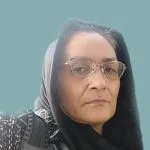
Zeynab Jalalian, a political prisoner sentenced to life imprisonment, is held in exile in Yazd Central Prison. In November 2025, only 24 hours after major fibroma surgery, she was returned to prison without completing the necessary post-operative care period. Despite doctors’ recommendation for ultrasound and follow-up treatment in specialized centers, prison officials prevented her transfer. Jalalian suffers from internal bleeding, kidney problems, and chronic pains, and doctors have warned that continuation of this situation may lead to kidney failure. She was arrested in 2007 and initially sentenced to death, which was later reduced to life imprisonment. Jalalian previously reported tortures such as flogging, beating, and threats of rape during detention.
Fariba Khorramabadi
Fariba Khorramabadi, theology professor and religious researcher, was arrested without a judicial warrant at her home in August 2025 and transferred to Fardis Prison in Karaj. She has been sentenced to one and a half years imprisonment on charges of “propaganda against the system” and “membership in hostile networks.” Khorramabadi, who has a history of heart attack, received wrong medication in prison and suffered seizures and nervous tics. Her transfer to the hospital with handcuffs and shackles worsened her physical condition. She refused to go to the hospital in protest against this humiliating treatment.
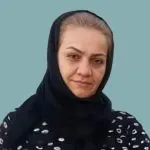
Maryam Zobeidi
Maryam Zobeidi, 58 years old and mother of three children from Ahvaz, was arrested on November 1, 2025 after being summoned to the Revolutionary Court and transferred to Sepidar Prison. She suffers from severe respiratory and digestive diseases, and her condition has been reported as critical. Zabidi was previously arrested in 2017 and developed these diseases due to unsanitary prison conditions. Her requests for specialized treatment have been met with negligence by officials.
Marzieh Farsi
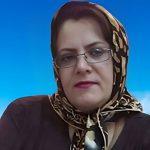
Marzieh Farsi, a political prisoner in Evin Prison, is facing severe deterioration of her physical condition. She, who has been struggling with cancer and serious heart problems for years, after transfer from Qarchak Prison to Evin, has suffered from chronic headaches, severe dizziness, and general weakness. Despite doctors’ recommendation to take essential medications, prison officials have prevented the entry of her vital drugs. Marzieh Farsi, born in 1965 and mother of two children, was arrested in August 2023 and sentenced to 15 years imprisonment on charges of “baghy and connection with the Mujahedin-e Khalq Organization.”
Arghavan Fallahi
Arghavan Fallahi, a 25-year-old political prisoner imprisoned in Evin Prison, suffers from severe nervous migraine but is deprived of access to her medications. She constantly experiences severe headaches leading to seizures, and the effects of psychological torture and interrogation pressures on her health condition are evident.
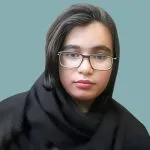
Arghavan Fallahi was arrested on January 26, 2025 in Tehran and spent more than six months in solitary cells of Ward 241 of Evin under intense interrogation and psychological and physical torture. After two months of solitary confinement in Fashafuyeh Prison and a period of detention in an unknown location, she was transferred to the notorious Qarchak Prison and subsequently to Evin Prison.
Masoumeh Asgari
Masoumeh Asgari, a 60-year-old retired teacher and political prisoner, despite suffering from multiple physical and mental illnesses, is still held in Evin Prison. Prison officials and the judiciary have so far taken no effective action for her treatment. This prisoner, who is a mother of one child and head of the family, was arrested by Ministry of Intelligence forces in Tehran in August 2025 and sentenced to three years imprisonment on charges of “propaganda against the system” and “membership in opposition groups.” She suffers from diseases such as diabetes, kidney and liver problems, nervous disorders, and complications from previous leg fractures.
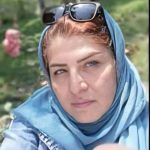
Zahra Safaei
Zahra Safaei, a political prisoner held in Evin Prison, suffers from heart disease and has two stents, and has not undergone medical examination for more than seven months and faces severe heart pains.
Ms. Safaei was born in 1962, daughter of Hassanali Safaei, one of the reputable merchants and bazaaris of Tehran. Mr. Safaei was a political prisoner during the Shah’s time who was executed in Evin Prison in 1981 on charges of supporting the Mujahedin.
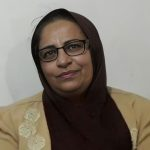
Zahra Safaei is one of the political prisoners of the 1980s who was imprisoned for eight years in Evin and Qezel Hesar prisons due to supporting the Mujahedin-e Khalq Organization.
Elahe Fouladi
Elahe Fouladi suffers from acute knee problems including a large cyst, meniscus tear, and spinal canal stenosis, and has constant pains, but no effective treatment process has been reported for her. Elahe Fouladi, born in 1978 in Khalkhal, married and mother of one child. She was a final-year university student when she was arrested on January 23, 2020 and transferred to Evin Prison. After several months of interrogation, she was released on bail in August 2020. However, later, the Tehran Revolutionary Court sentenced her to eight years of discretionary imprisonment on charges of “assembly and collusion through connection with the Mujahedin-e Khalq Organization” and “propaganda against the system.”
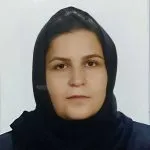
Tahereh Nouri
Tahereh Nouri, a political prisoner held in Evin Prison, suffers from sleep apnea and severe physical weakness.
Forough Taghipour
Forough Taghipour, a 31-year-old prisoner in the women’s ward of Evin Prison, has developed severe anemia. Sources consider the low quality of nutrition and lack of suitable food, fresh fruits and vegetables in prison as the main factors of this situation. She holds a bachelor’s degree in accounting and has been serving her five-year sentence since August 2023.

Forough Taghipour was previously arrested in January 2020 on charges of “assembly and collusion” and “propaganda activity against the system” and sentenced to five years in prison; a sentence that lasted until January 2023. A few months after release, she was arrested again in August 2023.
Maryam Gorji
Maryam Gorji, a sick prisoner in Evin Prison, is in a very critical physical condition. She, who previously underwent intestinal surgery and has an artificial part of her intestine, now faces severe abdominal pains and need for a specialized diet; conditions that cannot be provided in prison. She also suffers from advanced liver disease. Despite the issuance of a “non-endurance of punishment” order by doctors, the judicial authority prevented her release by setting a five billion toman bail. Lack of effective medical care and delay in treatment has increased concerns about endangering her life.
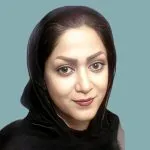
Parisa Kamali
Parisa Kamali, a political prisoner held in the women’s ward of Yazd Central Prison, went on hunger and medication strike from November 24, 2025 in protest against the unanswered legal demands and the claim of “loss of her file.” Parisa Kamali’s physical condition has become severely critical due to toxic thyroid disease and deprivation of receiving essential medications, and discontinuation of therapeutic drugs has caused intensification of disease symptoms, severe physical weakness, and emergence of vision problems in her.
Hoda Mehrganfar

Hoda Mehrganfar, a political prisoner, is in a critical physical condition in Adel-Abad Prison in Shiraz. Endometrioma cyst disease has recurred in her body and there is a risk of rupture and internal infection. Despite the prison doctor’s emphasis on the necessity of immediate transfer to the hospital and performing ultrasound, prison officials, on the orders of security institutions, have prevented her transfer. She suffers from severe pain, high fever, and general weakness, and even the prescribed medications have not been provided to her. Sources close to the family say that her detention conditions are very unsuitable.
See also the below articles:
- Transfer of Prisoners from Evin to Tehran Great Prison Amid War Raises Serious Human Rights Concerns
- Critical Situation in Qarchak Prison; Shortage of Drinking Water and Prisoners’ Uncertainty in the Shadow of War
Follow Iran Human Rights Society on social networks:
Telegram /Twitter /Instagram / YouTube / Facebook
Join Iran Human Rights Society on Twitter





Discussion about this post