
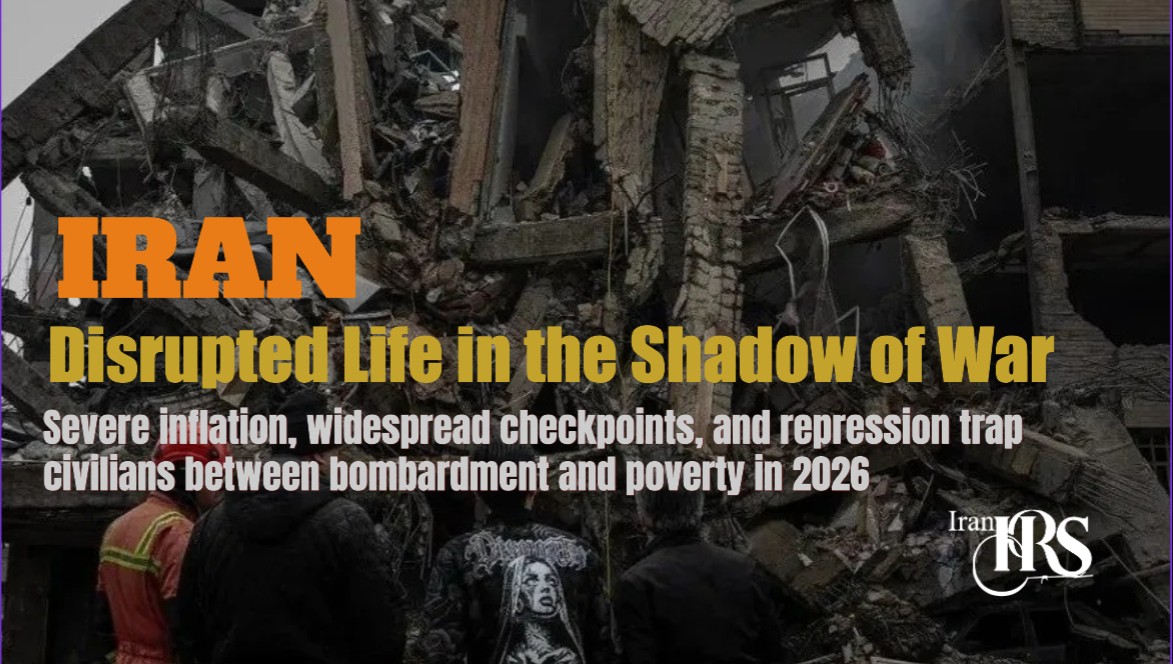
With the continuation of the war and the intensification of attacks, Iranian cities have turned into heavily securitized and militarized spaces. People’s reports speak of severe inflation, disruption of daily life, and the establishment of widespread checkpoints; a situation that many observers describe as the people being turned into “human shields” amid war and repression.
Iran Human Rights Society, Wednesday, March 11, 2026 – With the continuation of the war and the intensification of aerial attacks, reports received from Iranian cities indicate a severe deterioration in the living conditions of the people. Citizens are facing extreme insecurity, widespread inflation, and the suspension of many economic activities, while the urban environment has also become intensely securitized. Many observers believe that the same people who just a few months ago faced bloody repression during the Dey 1404 protests are now once again losing their lives in the shadow of war and bombardments.
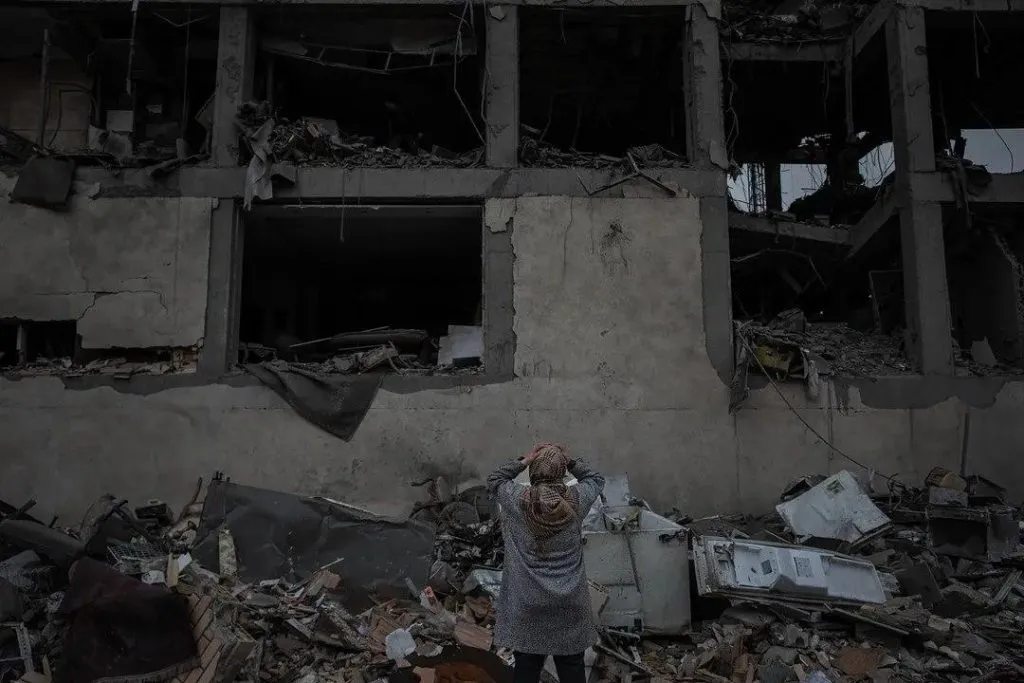
Disrupted Life in the Shadow of War
People’s reports show that daily life in many cities has been severely disrupted. With the continuation of the war, economic and occupational activities in many areas have stopped, and many shops and businesses have been closed. In Tehran, a city that was always known as a bustling metropolis, a heavy silence now prevails. Streets are emptier than ever, and the shutters of many shops have been pulled down. Many citizens say that their most important concern now is not work and life, but only “surviving until the next morning.”
In such conditions, the war not only threatens the physical safety of citizens but has also disrupted the economic and social cycle of life.
Economic Crisis and Empty Tables
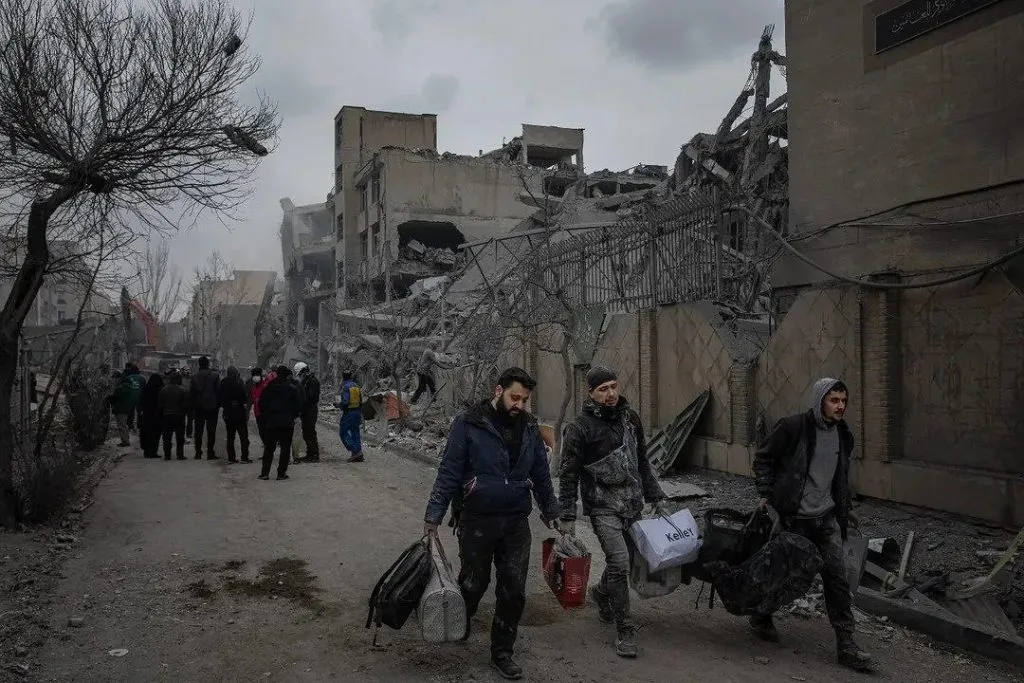
Alongside the insecurity caused by the war, economic pressure has also cast a shadow over people’s lives. Reports indicate a sharp increase in food prices in recent days.
In some areas, the price of items such as eggs and potatoes has doubled or tripled in a short period. Many families say that even obtaining the simplest food items has become difficult for them. The suffering of families who, amid war-related fears, are unable to provide their daily food has become one of the most important social problems these days. Long queues in front of gas stations and bakeries, especially in the early days of the war, present an image of economic pressure and social anxiety among the people.
Securitized Atmosphere and Widespread Checkpoints
In addition to the economic crisis and war-related insecurity, the urban environment has also become intensely securitized. People’s reports indicate the extensive presence of Basij and IRGC forces in the streets and the establishment of numerous checkpoints across cities. In many areas, Basij members and Revolutionary Guards patrol the streets on motorcycles every night and demand identification documents from citizens. Drivers are also forced in many locations to present their driver’s license and vehicle documents to security forces.
According to some citizens, the purpose of these measures is to restrict people’s presence in the streets and to control the social atmosphere. Such an environment has caused many citizens to feel insecure about even being present in the streets of their own cities before they worry about war attacks and bombardments.
Fear and Anxiety Among Children
Among the consequences of the war, the psychological pressure on children is one of the serious concerns of families. Many families say that their children become frightened and anxious with every sound of explosion or the flight of airplanes. At night, when attacks and explosions continue, many families have lost their sleep and peace. Children, who do not have the full ability to understand the conditions of war, are more affected than others by this tense atmosphere.
Many parents say that the only refuge for their children in these conditions is their embrace; while they themselves are also worried about the uncertain future and fate amid the war.
People Caught Between Repression and War
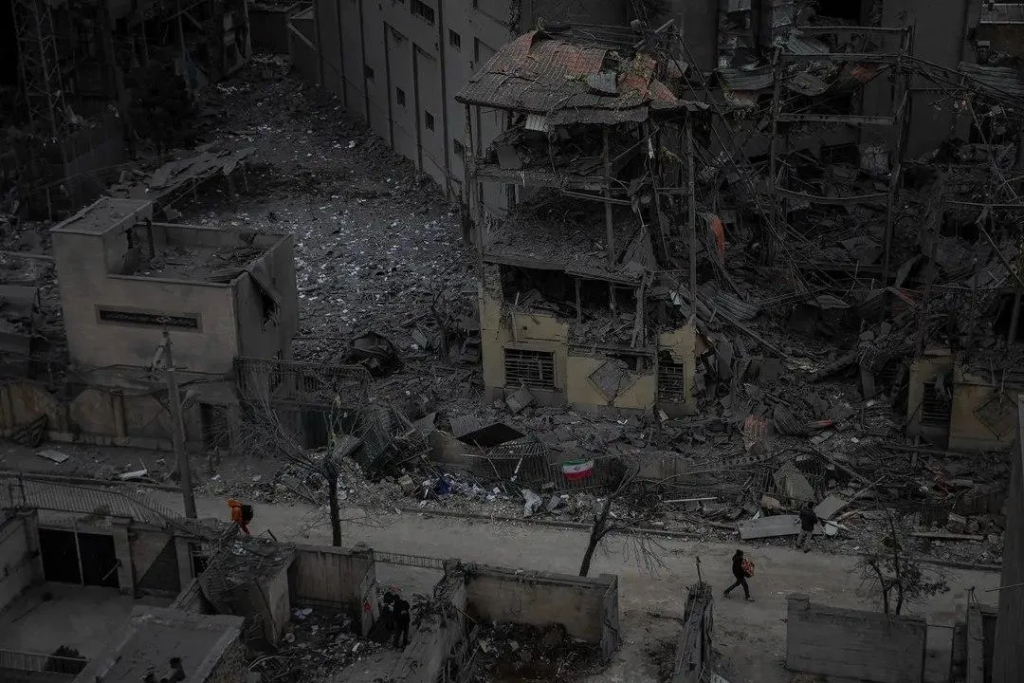
Social observers believe that the people of Iran are in a very difficult situation. Just a few months ago, during the nationwide Dey 1404 protests, numerous reports were published of citizens being killed by repressive forces. Now the same society is once again exposed to the danger of death; this time as a result of war and bombardments. Many analysts believe that the people who were repressed in the protests are now also victims of the consequences of the war.
In such conditions, some observers speak of the people being turned into “human shields” in the midst of war; people who have no role in political decision-making and no say in determining the fate of this conflict, but pay the highest price for it with their lives and livelihoods.
Human Rights Violations in Wartime Conditions
The reported situation in Iranian cities during wartime conditions can be in conflict with fundamental principles of human rights.
- Violation of the right to life – Article 3 of the Universal Declaration of Human Rights: Placing civilians at risk of bombardment and military attacks can threaten the lives of citizens.
- Violation of the right to personal security – Article 9 of the International Covenant on Civil and Political Rights: The intense securitized atmosphere, widespread checkpoints, and constant monitoring of citizens can restrict their security and individual freedoms.
- Violation of the right to an adequate standard of living – Article 25 of the Universal Declaration of Human Rights: The sharp increase in food prices and disruption of the economy have placed severe pressure on people’s lives.
While the war continues and an atmosphere of repression and insecurity overshadows society, concerns about the livelihood, security, and human condition of the people of Iran continue to increase.
See also the below articles:
- Violence Against Female Political Prisoners in Iran Through Denial of Medical Treatment
- Transfer of Prisoners from Evin to Tehran Great Prison Amid War Raises Serious Human Rights Concerns
Follow Iran Human Rights Society on social networks:
Telegram /Twitter /Instagram / YouTube / Facebook
Join Iran Human Rights Society on Twitter




Discussion about this post