
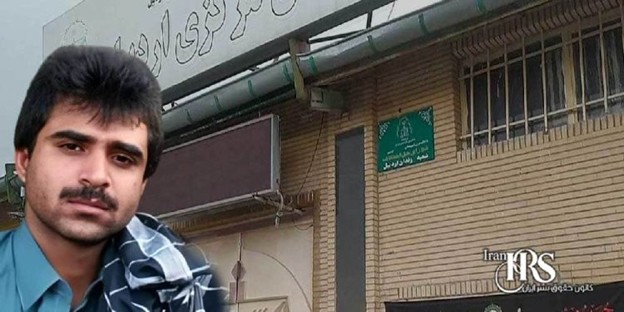
The sudden exile of Iman Jamalzehi to Ardabil Prison exposes Iran’s violation of Baluch prisoners’ rights, highlighting unfair trials and systemic oppression.
Iran Human Rights Society, August 18, 2025- The abrupt transfer of Iman Jamalzehi, a Baluch prisoner from Iranshahr, to Ardabil Prison on August 24, 2025, starkly violates Baluch prisoners’ rights. Authorities moved him without informing his family, exposing Iran’s oppressive tactics. Arrested in July 2019, Jamalzehi received a 27-year sentence for “moharebeh” (enmity against God) after an unfair trial. This exile isolates him and underscores the regime’s systemic abuse of Baluch communities, ignoring fair trial standards and human rights.
Iman Jamalzehi’s Unjust Case

Security forces arrested Iman Jamalzehi, born in 1997 in Sarbaz County, in July 2019, initially for “buying and selling firearms.” Later, they charged him with “moharebeh,” resulting in a 27-year sentence. The trial, finalized in 2023, lacked transparency. Authorities ignored objections about unfair legal processes and upheld the harsh ruling. This case shows how the regime targets Baluch prisoners to suppress dissent, disregarding basic legal principles.
Violent Arrest and Harsh Detention
In July 2019, security forces stormed Jamalzehi’s grandfather’s home on Kargar Street in Iranshahr, firing shots before detaining him. They moved him to a detention center, then to the Intelligence Police for a month. His case remained unresolved for nearly four years under brutal conditions. This prolonged detention without due process violates Baluch prisoners’ rights. Such actions defy international standards for fair legal proceedings and humane treatment.
Exile: A Cruel Tool of Oppression
Iran often exiles political prisoners to remote facilities to isolate them. Jamalzehi’s sudden transfer to Ardabil Prison, far from Iranshahr, cuts off his family ties and threatens his well-being. Authorities failed to notify his family, breaching domestic and international laws. This tactic aims to break prisoners’ spirits and silence Baluch communities. Furthermore, remote prisons’ harsh conditions often worsen health issues, violating prisoners’ rights to dignity and care.
Devastating Impact on Jamalzehi’s Family
Jamalzehi’s family learned of his transfer days later, heightening their distress. For six years, they have protested his unfair trial and poor detention conditions. The exile to Ardabil, a distant city, limits visitation and communication. This isolation causes emotional and psychological pain, adding to the injustice. Their struggle reflects the broader challenges families of Baluch prisoners face, battling systemic barriers to justice and connection.
Systemic Abuse of Baluch Prisoners
Jamalzehi’s case mirrors the wider oppression of Baluch prisoners. Authorities use vague charges like “moharebeh” or “actions against national security” to target ethnic and religious minorities. These trials lack transparency and fairness, aiming to suppress dissent and marginalize Baluch communities. The regime’s harsh sentences and frequent exiles intimidate and silence these groups, perpetuating systemic discrimination and abuse.
Human Rights Violations
The exile of Iman Jamalzehi to Ardabil Prison demonstrates the regime’s continued use of oppressive tools against dissidents and minorities. Such actions contradict human rights principles and place Iran in clear conflict with its international commitments.
- Article 9 of the International Covenant on Civil and Political Rights: Prohibition of arbitrary detention; Iman Jamalzehi’s exile without family notification is a clear case of arbitrary detention.
- Article 14 of the International Covenant on Civil and Political Rights: Right to a fair trial; his case, marked by an altered charge and lack of due process, violates this right.
- Article 10 of the Universal Declaration of Human Rights: Right to a public and impartial trial; the non-transparent process and 27-year sentence without a full trial violate this article.
- Article 5 of the Universal Declaration of Human Rights: Prohibition of inhumane treatment and punitive exile; exiling him without family notification and denying contact with loved ones constitutes inhumane treatment.Iman Jamalzehi’s exile demands urgent international attention. Authorities must stop these oppressive practices and ensure fair trial rights for all prisoners.
Advocates continue to push for accountability, urging global leaders to condemn these violations. Jamalzehi’s case highlights a pattern of abuse that requires systemic reform to protect vulnerable prisoners and uphold international standards.The transfer of Iman Jamalzehi to Ardabil Prison without family notification reveals Iran’s cruel tactics against Baluch prisoners. From a violent arrest to an unfair trial and now exile, his case violates fundamental rights, including fair trial protections and freedom from inhumane treatment. This injustice demands global action to address the systemic oppression of political prisoners in Iran.
See also the below articles:
- Iran Executions Escalate to Crisis Levels in August 2025
- Summoning of Political Prisoner Hamid Sharghi to Prison Despite Critical Health Condition
Follow Iran Human Rights Society on social networks:
Telegram /Twitter /Instagram / YouTube / Facebook
Join Iran Human Rights Society on Twitter







Discussion about this post